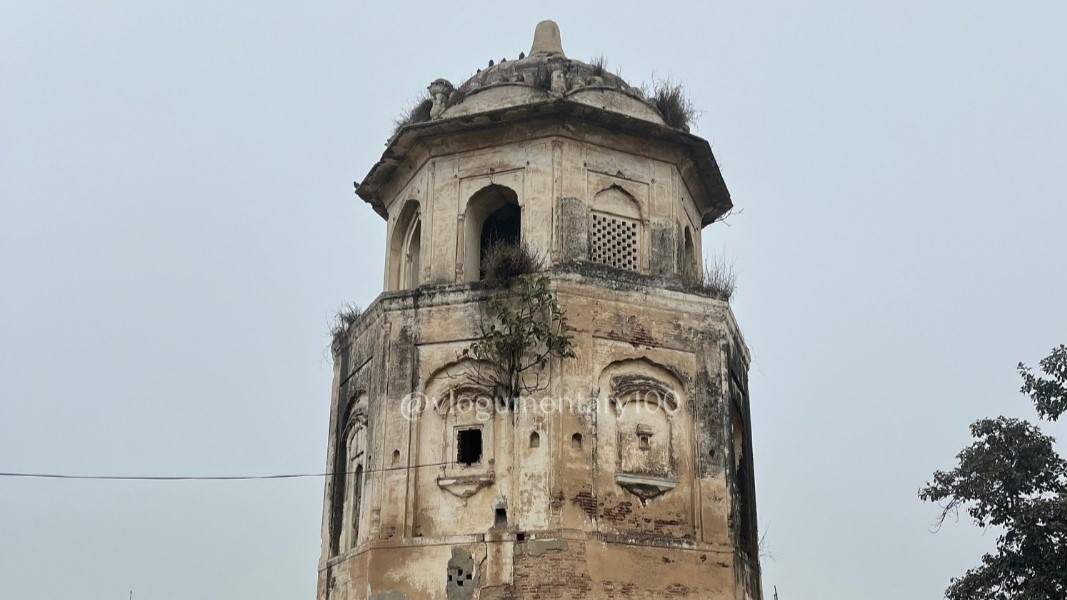
Heritage tourism Lahore has always promised a world where forgotten stories rise from the dust and breathe again. Among the many hidden corners that guard the soul of Punjab, the Sandhawalia Gurdwara stands as a quiet witness to a past shaped by devotion, betrayal, and architectural brilliance. Located nearly fourteen kilometers from Jalo Mor, this remarkable structure carries a gentle aura that pulls you toward its layered history and its silent spiritual elegance.
In this guide, I take you through its story with care, gratitude, and a deep respect for the communities who safeguard this treasure.
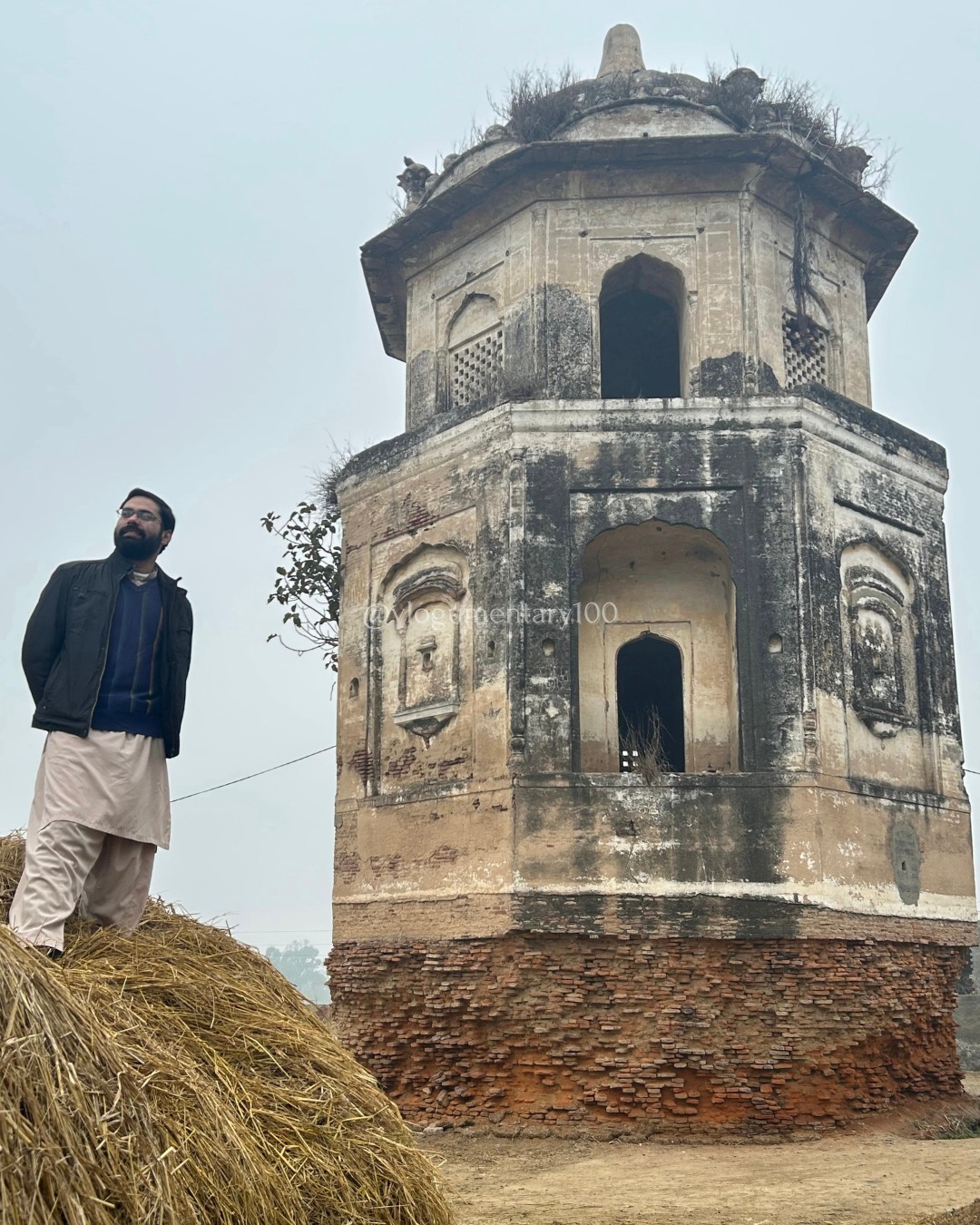
History of Sandhawalia Gurdwara
What is Sandhawalia Gurdwara?
It is an extraordinary Sikh heritage site built in the village of Sandhawalia, a small settlement near the border region outside Lahore.
Who built it?
It was commissioned by Ajit Singh Sandhawalia, a figure whose name is woven through Punjabi history with both admiration and controversy.
When was it built?
The Gurdwara dates back to the era of Maharaja Ranjit Singh, a time when Sikh architecture flourished across the region.
Where is it located?
At coordinates 31.56149, 74.57977, almost fourteen kilometers from Jalo Mor Lahore, surrounded by fields, old mud houses, and the quiet rhythm of rural life.
Why was it built?
The structure served as a spiritual space and a mark of influence, identity, and devotion for the Sandhawalia family and surrounding communities.
How did it become historically significant?
Its story took a sharp turn when Ajit Singh assassinated Maharaja Sher Singh, creating one of the most shocking betrayals in Sikh political history. This act forever linked the village and the Gurdwara to a pivotal chapter of the Sikh Empire.
Architectural Character and Design
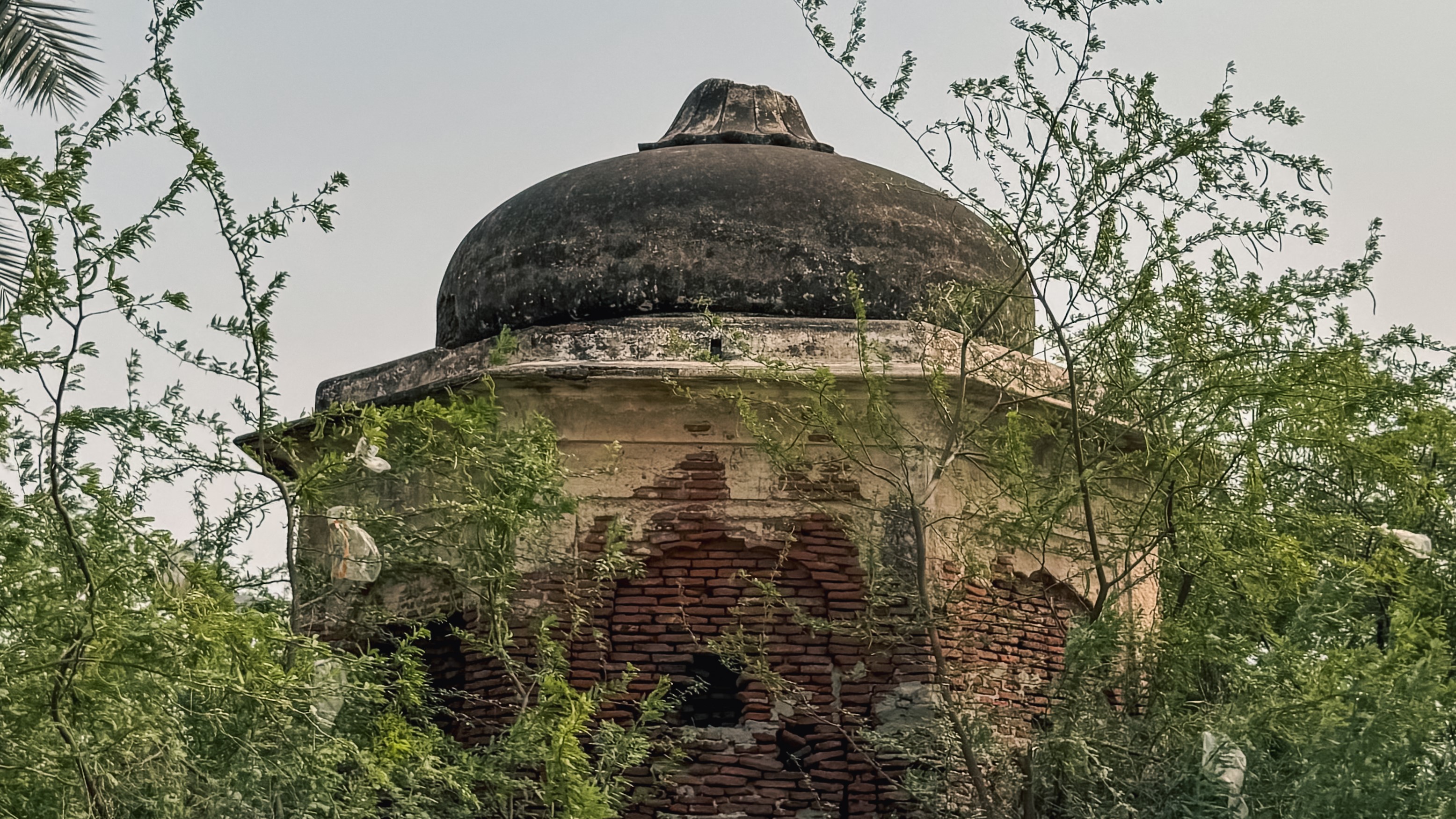
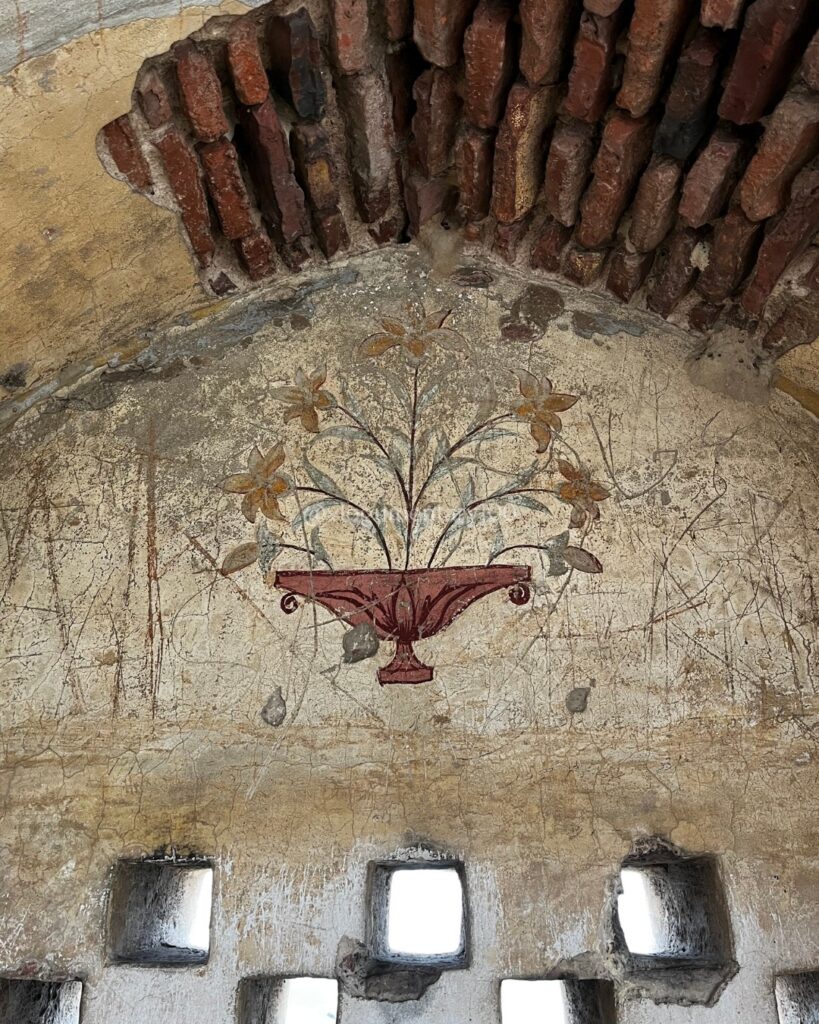
The Gurdwara of Sandhawalia stands out for an architectural form that is almost unseen in Punjab. It is hexagonal, rare for a Sikh spiritual site, and rises across five distinct levels. Three emerge above ground, one lies partially below the surface, and the entire structure is crowned with a striking dome that dominates the skyline of the village.
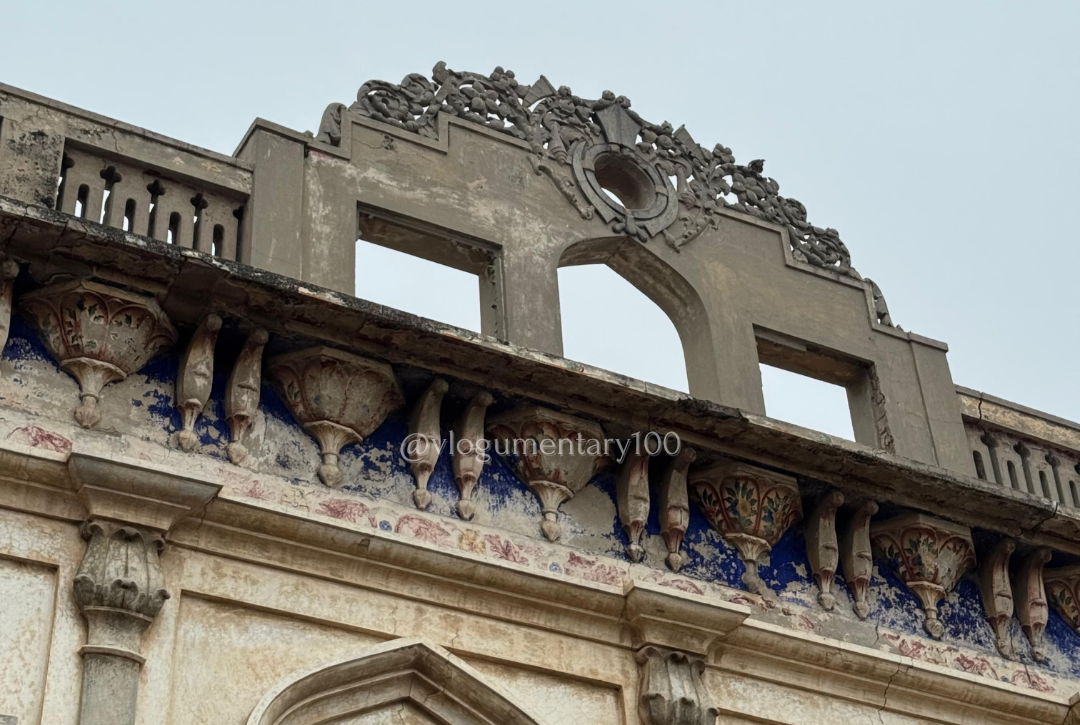
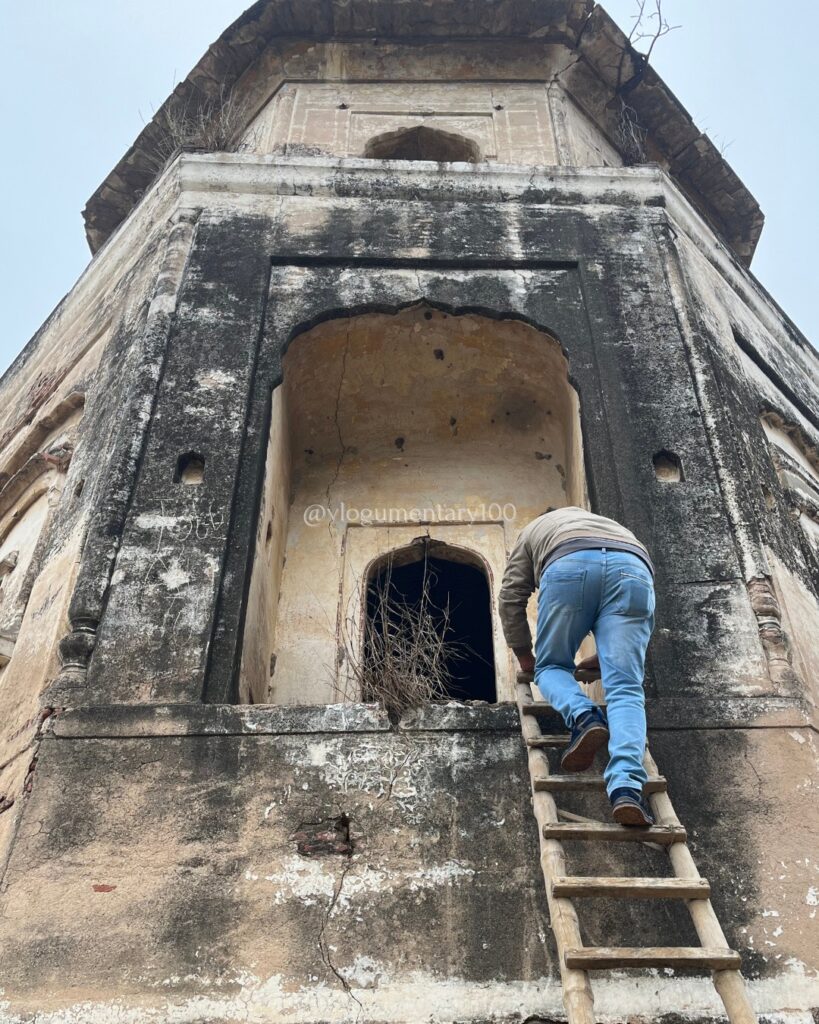
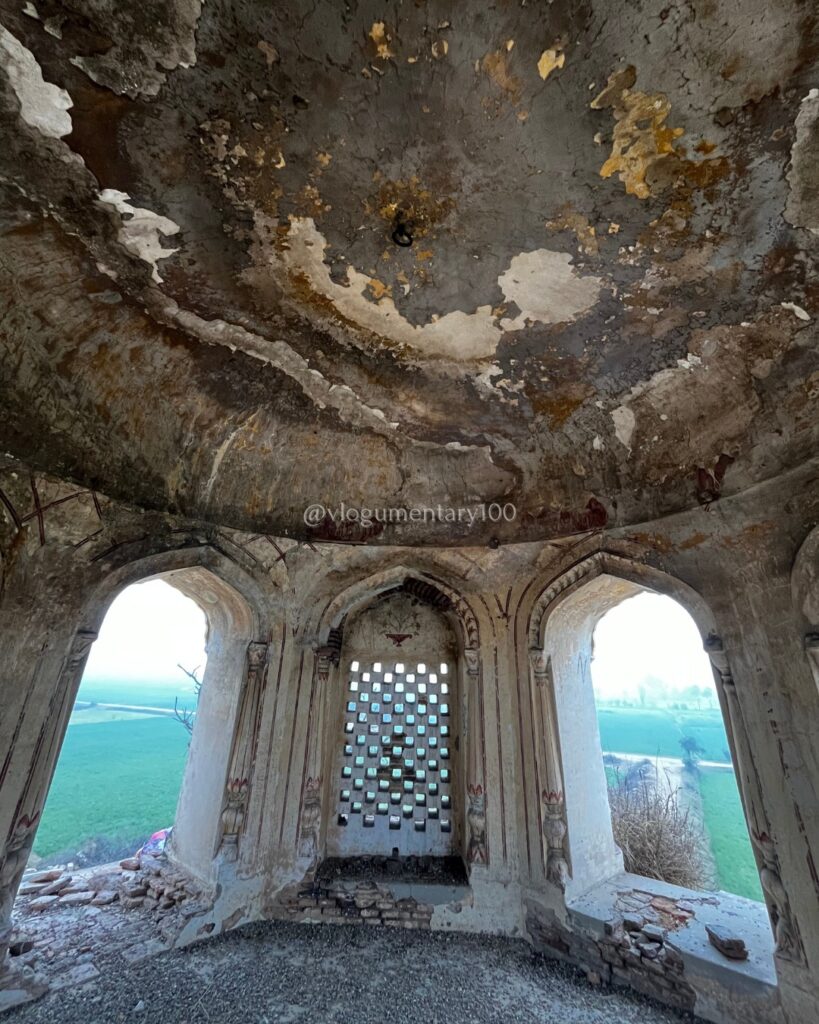
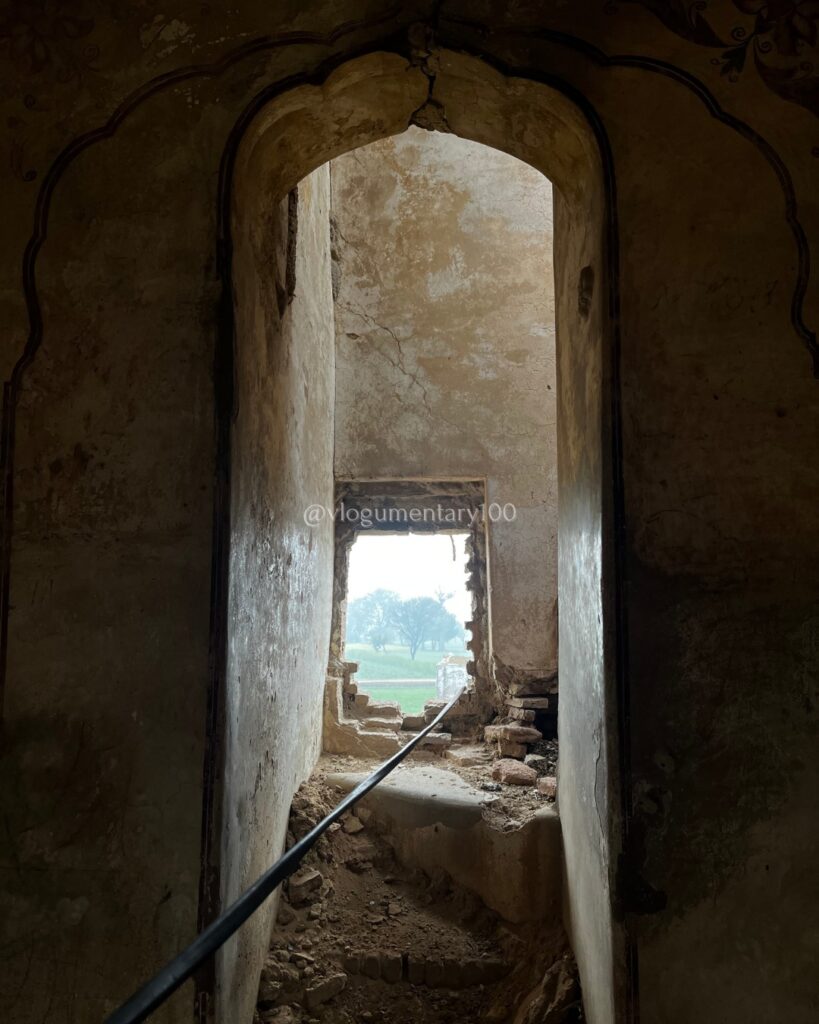
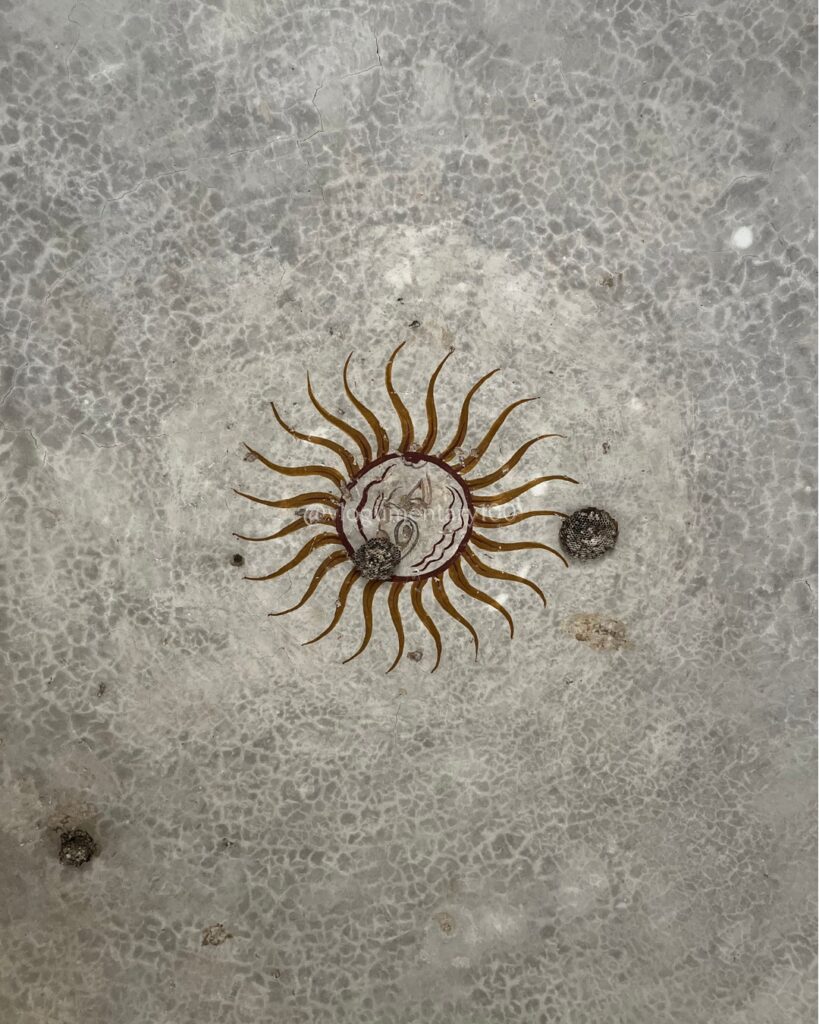
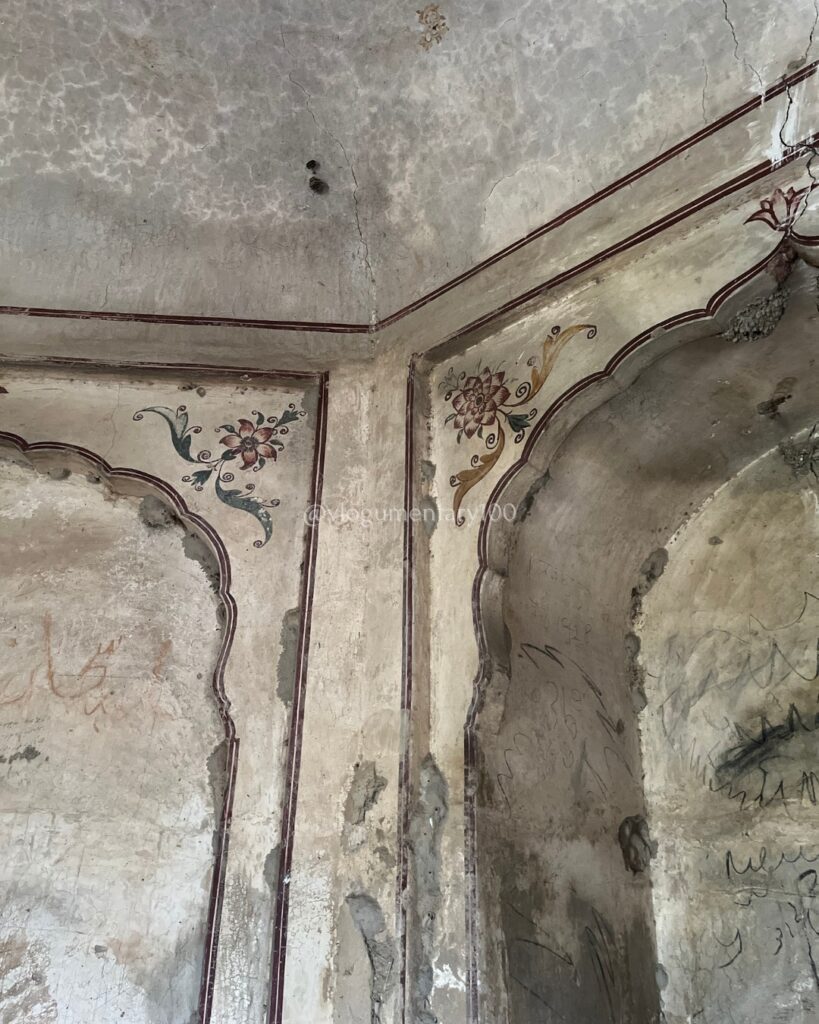
The newly excavated lower room has a single entryway, narrow and mysterious. The second floor offers two arched openings that frame the surrounding landscape. Above them, the Guru Astan opens in four directions, inviting light and air from all sides. The interior speaks in the language of intricate floral motifs, painted ceilings, arches shaped like petals, and delicate patterns that reflect the aesthetic soul of the Sikh era.
If you have visited historic mosques of Lahore or walked through Sikh monuments, you will sense familiar cultural threads woven into this structure. These internal connections enrich the understanding of how architecture in Punjab developed across centuries.
Important Historical Events Connected to the Site
This Gurdwara is inseparable from the dramatic political shifts that defined the closing years of the Sikh Empire. Ajit Singh Sandhawalia, once a respected figure, became known for his pivotal role in the assassination of Maharaja Sher Singh. This single act shook the stability of the kingdom and deepened the conflicts among the royal lineages.
Though the Gurdwara itself was not the stage of this event, its association with the Sandhawalia lineage turned it into a symbolic structure. It became a reminder of ambition, faith, conflict, and the fragile balance of power.
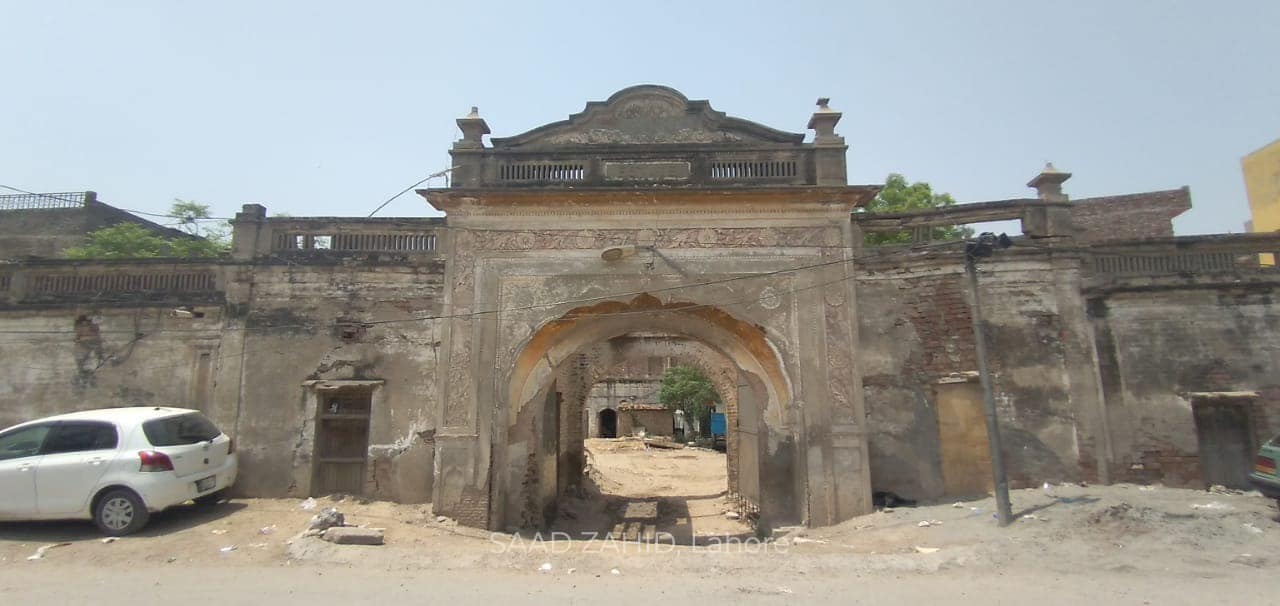
The village around it also preserves remains of that era. Locals proudly pointed out a broken Baradari and a Talab, both now in ruins but still carrying a quiet dignity. These elements help visitors understand how the settlement once flourished as an estate with cultural influence and administrative importance.
Present Condition and Current Use
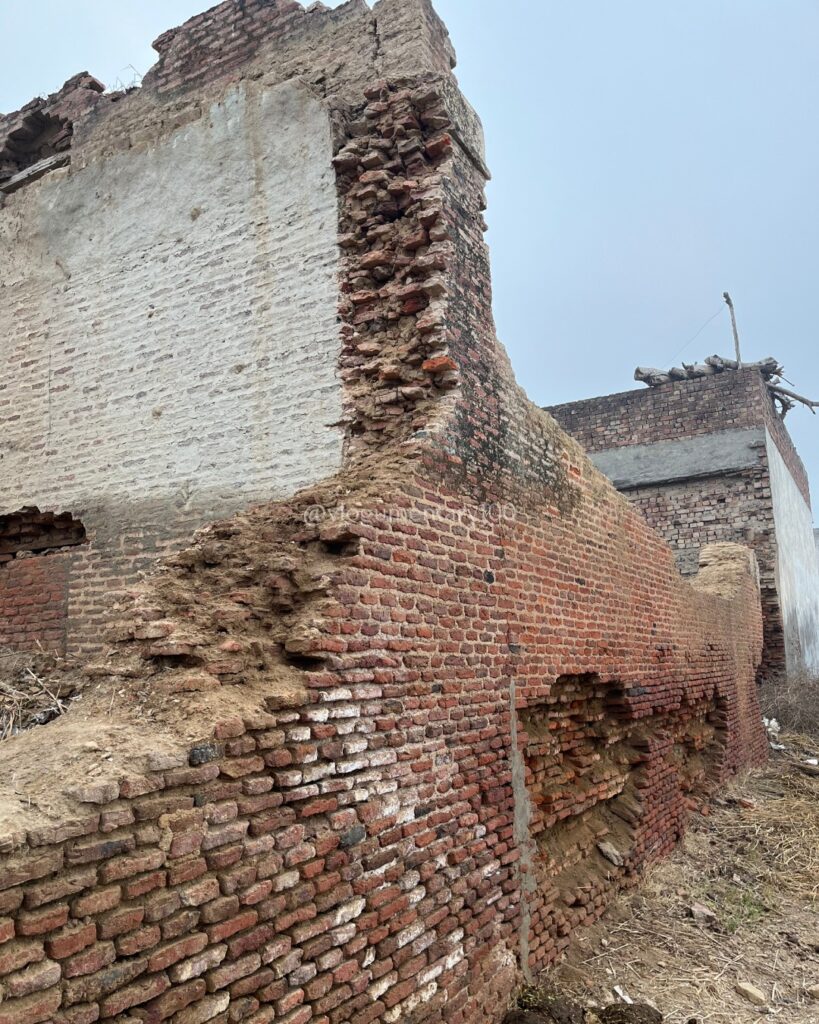
Today, Sandhawalia Gurdwara rests in partial decay, yet its beauty endures. The walls breathe with memory. The dome rises with resilience. The lower levels, now freshly excavated, reveal new layers of narrative and community effort.
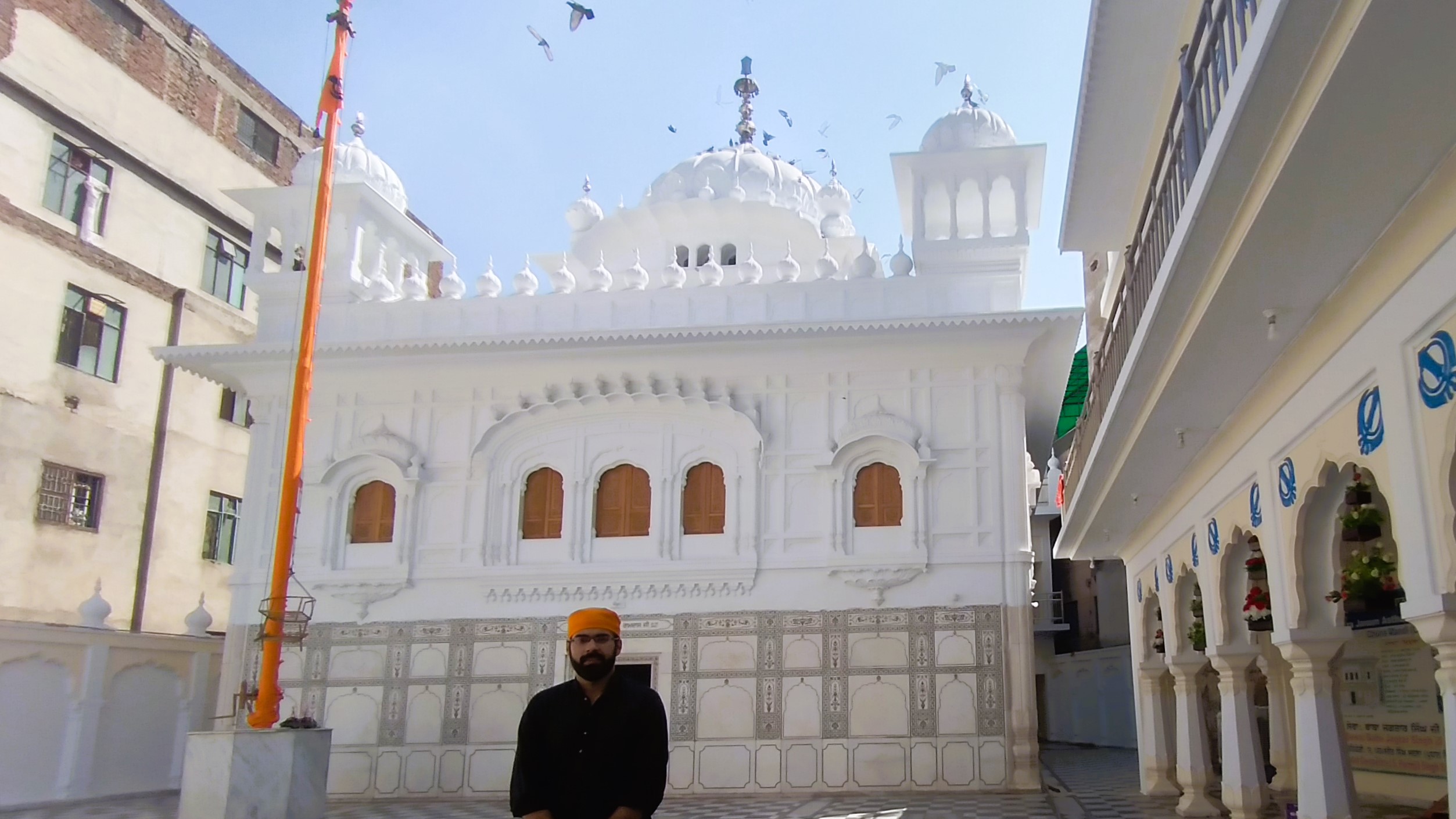
This site is not used as an active Gurdwara anymore. Instead, it stands as a cultural and historical structure visited by heritage enthusiasts, researchers, students, and explorers who are shaping a growing interest in heritage tourism Lahore.
Local villagers take pride in their connection to the place. Some become informal guides, sharing oral histories, while others protect the space with quiet devotion. Their warmth shapes the visitor experience in a way no textbook ever could.
My Personal Experience in Sandhawalia
My visit to Sandhawalia was a journey into stillness. The roads leading to the village were narrow and framed by fields, and the Gurdwara emerged like a quiet sentinel at the edge of the settlement. With each step up its aging staircase, I felt the past breathing around me.
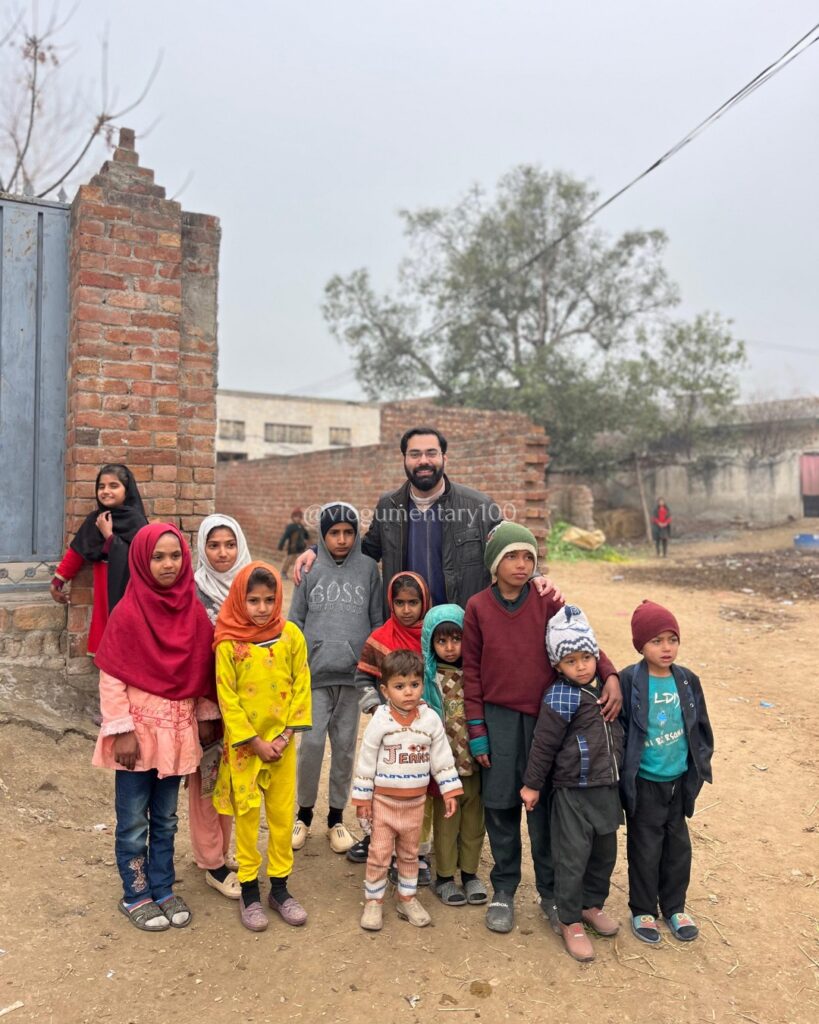
What touched me most was the hospitality. The villagers welcomed us as if we were old friends. They offered stories, tea, and heartfelt company. One elder guided me to the broken Baradari. Another showed the Talab. Their pride in their heritage reminded me that monuments survive not only in bricks but also in the memory and affection of those who live beside them.
I am deeply grateful to Dr Hameed for his expert insights that helped me decode the architecture, and to Ali Usman Baig whose earlier writing inspired this journey. But most of all, I am grateful to the people of Sandhawalia, who protected this treasure with sincerity that cannot be measured.
Additional Curiosities Around the Site
Visitors with a broader interest in Punjab’s layered heritage can explore several other sites near this region. The border landscape surrounding Sandhawalia holds remnants of old waterworks, defensive structures, and vanished estates. Photographers often find the rural textures especially compelling.
If you wish to build a thematic journey, you can pair this visit with explorations of Sikh architectural sites in Lahore and beyond. This cluster based touring model is transforming heritage tourism Lahore by offering travelers deeper interconnected experiences.
If you want to explore more hidden gems, rare Sikh heritage sites, and forgotten architectural wonders around Lahore, I invite you to join my curated heritage tours. These journeys are designed with research, compassion, and a storyteller’s eye, helping you experience the past in a new light.
Reach out to me through my website or social platforms to plan a customized visit. Let us walk these silent corridors together and discover the heritage that still waits patiently to be seen.