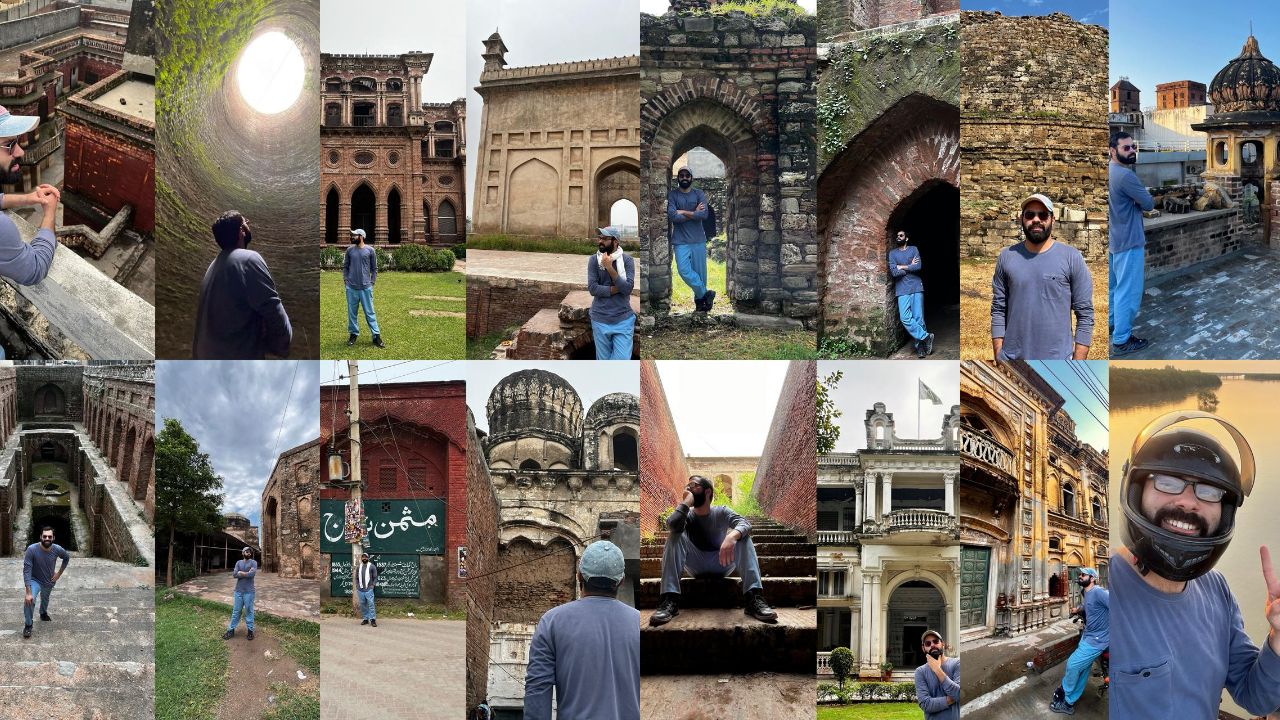
Peshawar is a city where history and culture meet at every corner. Known to many for its famous Dumba Karahi, Charsi Tikka, and Kabuli Pulao, the city also holds some of the most remarkable heritage sites in Pakistan. From the iconic Bab-e-Khyber to the majestic Jamrud Fort, from the colonial charm of Islamia College to the spiritual beauty of Mahabat Khan Mosque, Peshawar is a living museum. On World Tourism Day, I set out on a Peshawar Heritage Tour to uncover its timeless landmarks and share the stories that bring this city to life.
The Gateway of Empires: Bab-e-Khyber
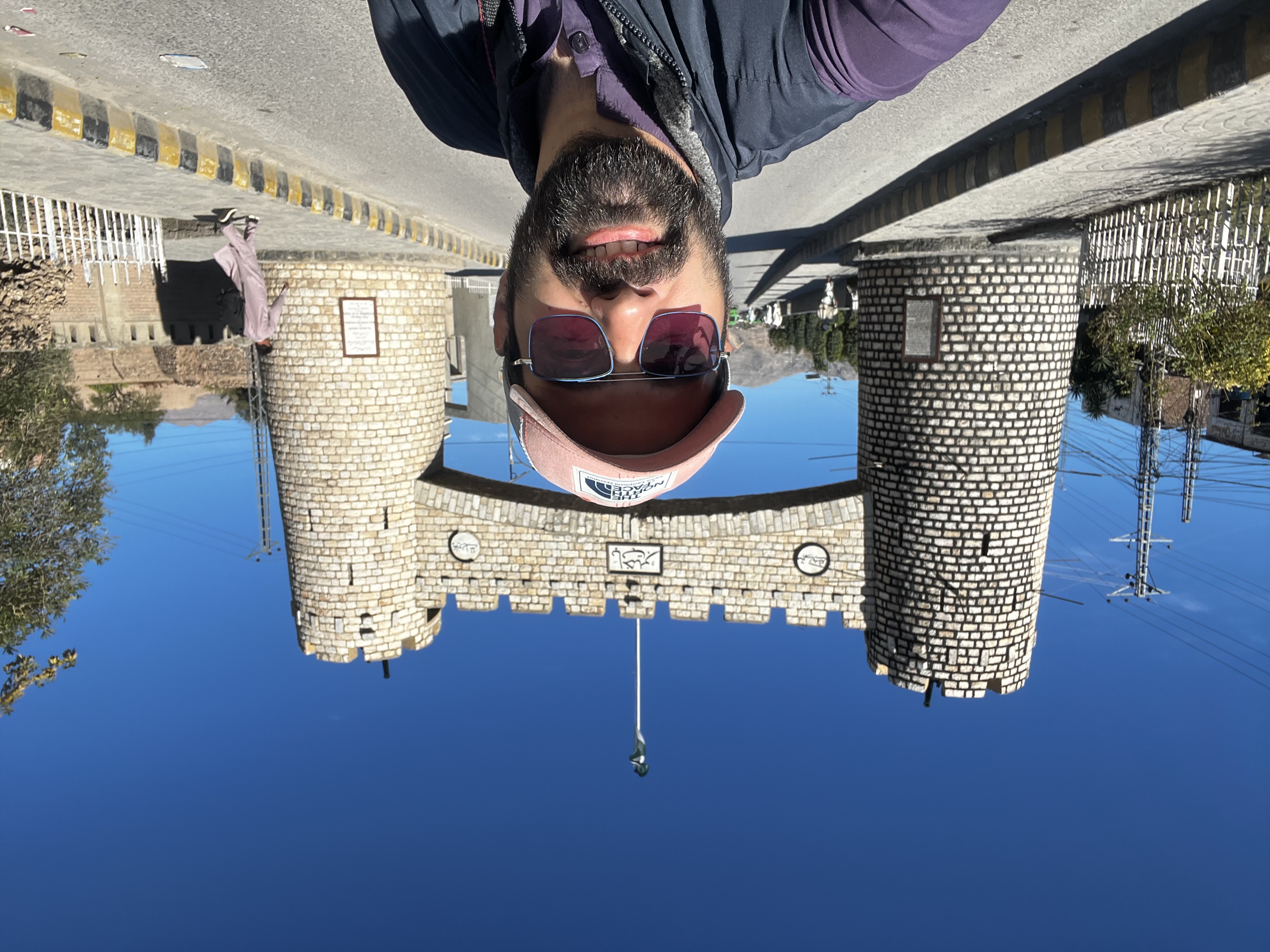
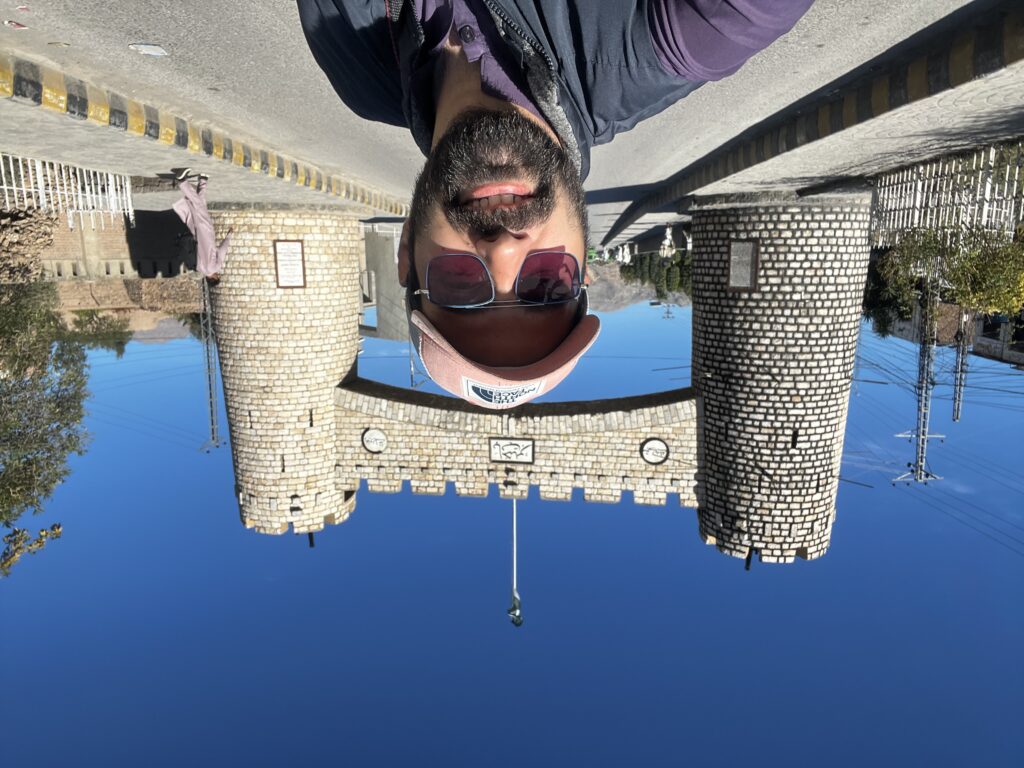
Our journey begins at Bab-e-Khyber, the symbolic stone and brick gateway that has welcomed travelers for generations. Built at the entrance of the legendary Khyber Pass, this structure has connected Central Asia with South Asia for centuries. Standing before it, you can almost imagine the caravans of traders, armies, and adventurers who once passed through, leaving behind tales that shaped the history of the subcontinent.
Beside this gateway is Jamrud Fort, a stronghold built by the Sikh general Hari Singh Nalwa. Its towering walls still echo the courage and determination of those who defended it. Looking up at the fort, you realize it is not just a military structure but a reminder of the resilience of people who stood their ground at the crossroads of empires.
A Red Brick Legacy: Islamia College Peshawar
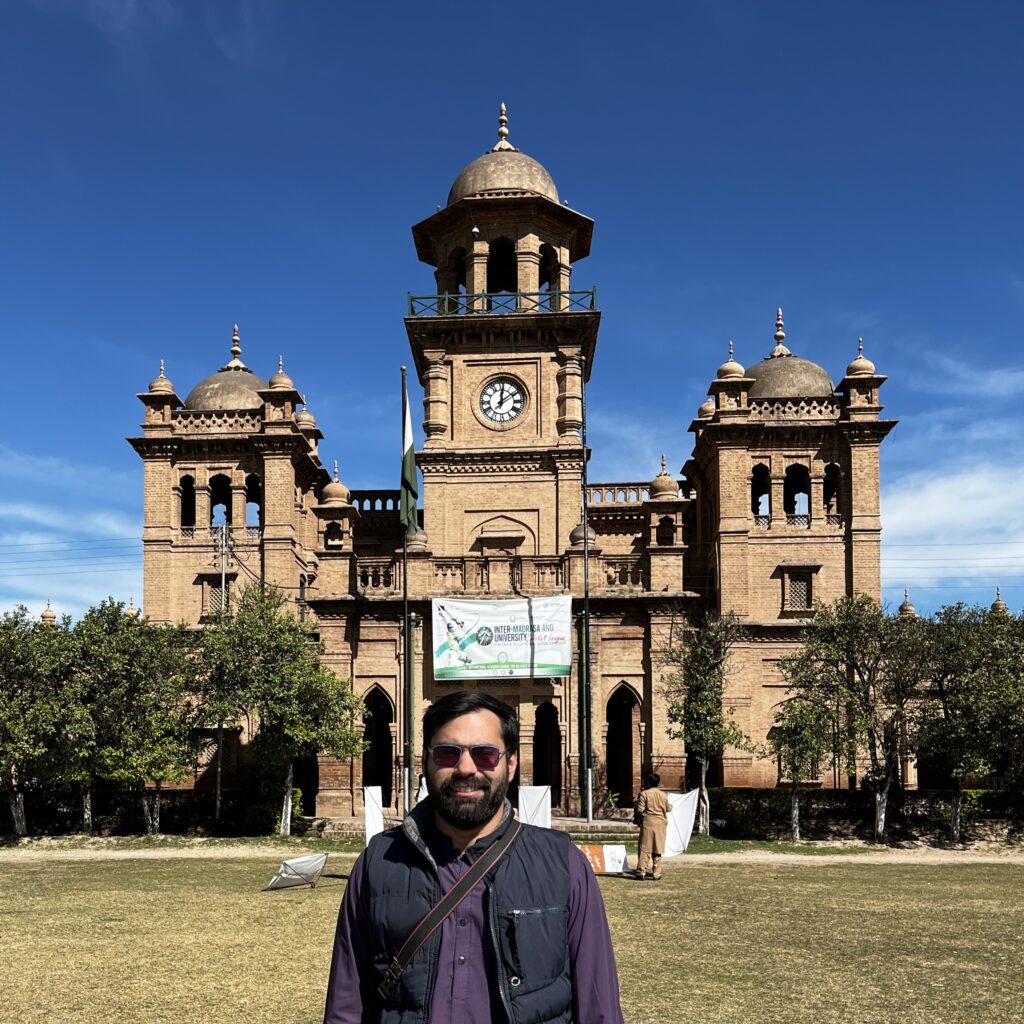
As we move deeper into the city, one of the first landmarks to greet us is Islamia College Peshawar on GT Road. Its striking red brick walls and majestic domes immediately capture attention. Established in the early twentieth century, the college is a proud example of colonial architecture in the subcontinent.
Walking around the campus feels like stepping into a different era. The combination of Islamic and British design elements reflects the cultural dialogue of the time. For many, this institution is not only an academic hub but also a symbol of intellectual awakening in Peshawar.
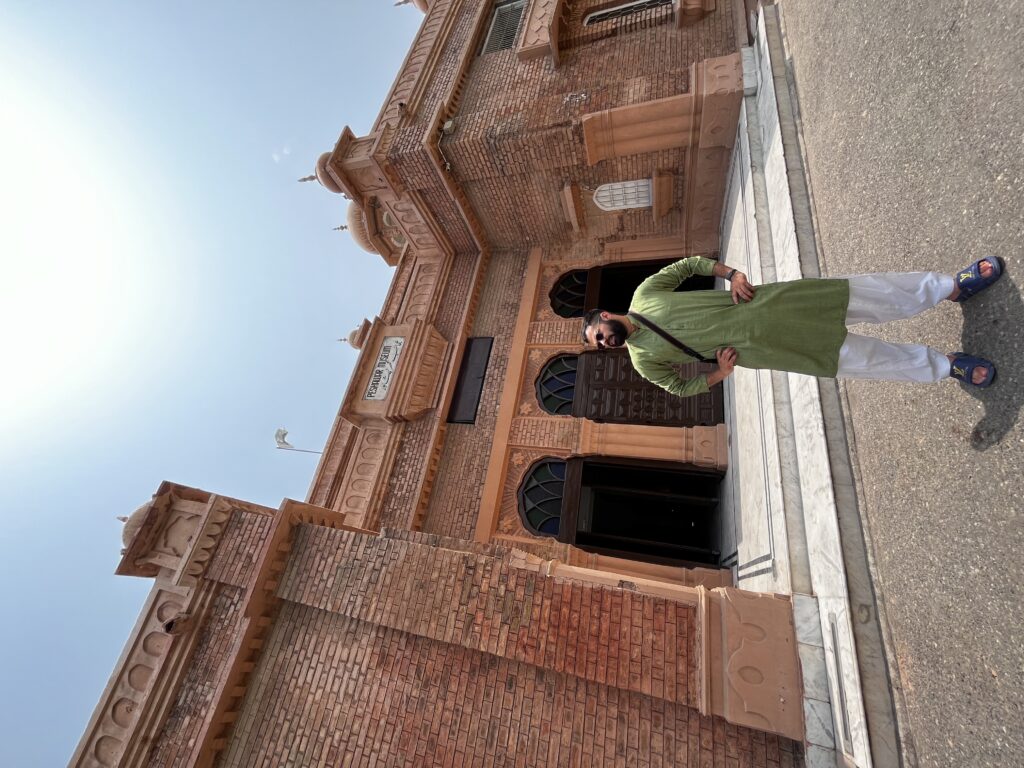
A Museum of Civilizations: The Peshawar Museum
No visit to Peshawar is complete without exploring the Peshawar Museum, which houses the largest collection of Gandhara art in Pakistan. The museum is a treasure chest of history, with serene Buddha statues, delicate relief panels, and ancient artifacts that transport you back to a time when this region was a center of Buddhist civilization.
The galleries here tell stories of spirituality, artistry, and cultural exchange. Standing before a statue of the meditating Buddha, you can sense the quiet grandeur of Gandhara and its influence that stretched far beyond this land.
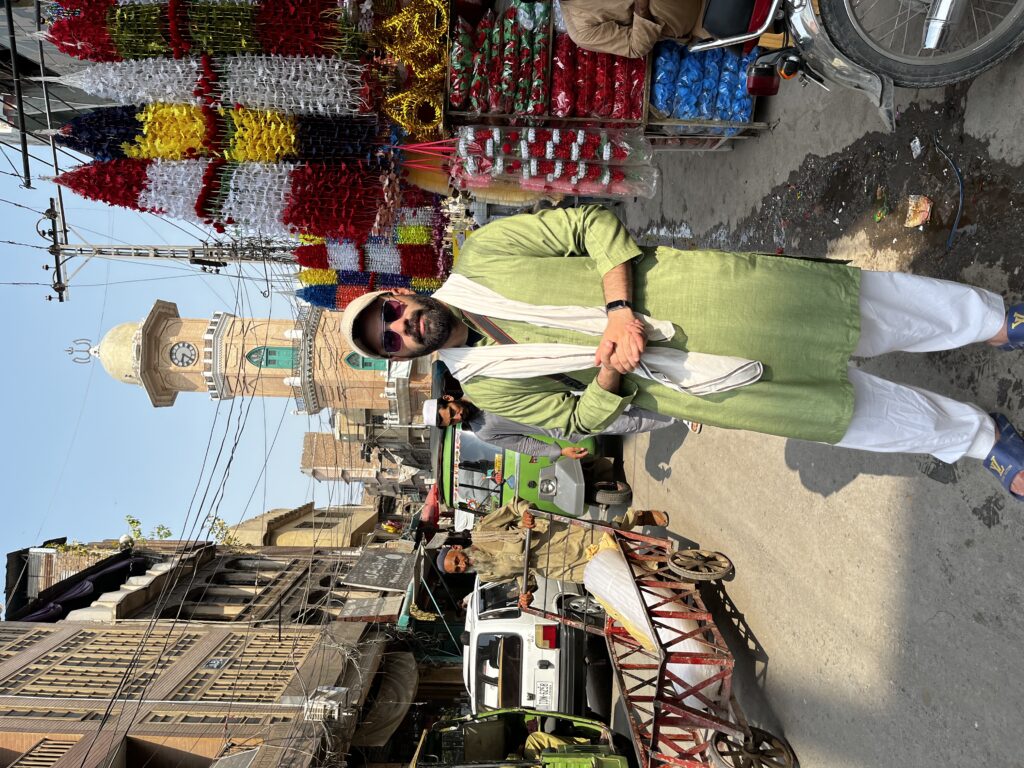
Timeless Markers: Cunningham Tower and Mahabat Khan Mosque
Continuing our journey, we stop at the Cunningham Tower, a clock tower built during the British period. For decades, it has stood tall in the heart of Peshawar, reminding people of the value of time. While simple in design, it carries symbolic weight, marking the colonial chapter of the city’s history.
A short walk away, the Mahabat Khan Mosque greets visitors with its Mughal elegance. Built in the seventeenth century, it is adorned with floral frescoes and intricate calligraphy. The mosque is more than a place of prayer. It is an architectural jewel that reflects the beauty and spirituality of the Mughal age.
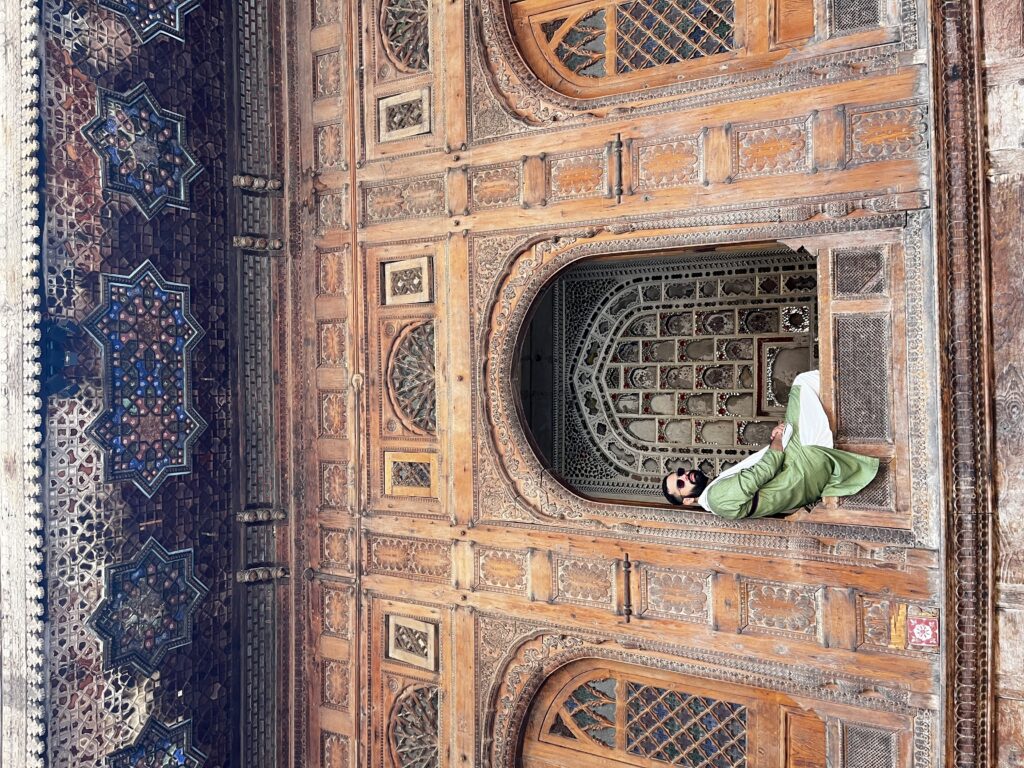
The Hidden Charm of Sethi Haveli
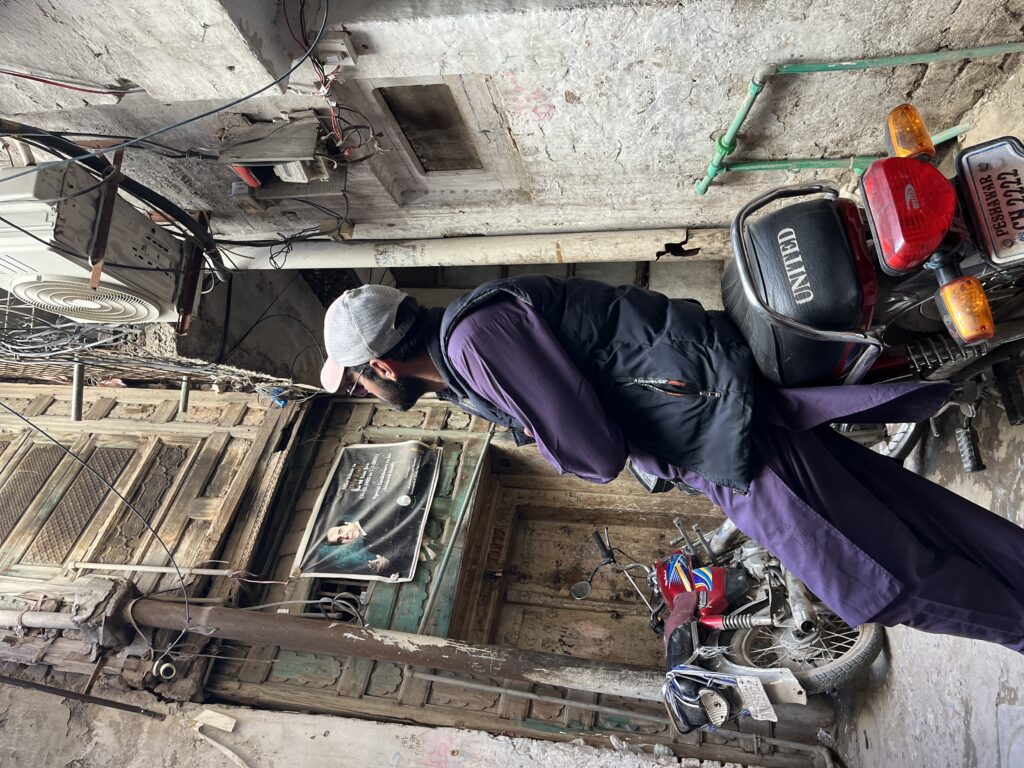
Among the narrow lanes of Peshawar lies Sethi Haveli, a mansion that leaves visitors in awe. Its carved wooden balconies, lattice windows, and vibrant stained glass are masterpieces of craftsmanship. Every corner of this haveli whispers stories of a wealthy merchant family that once lived here and invested in art and architecture.
The Sethi Haveli is a reminder that heritage is not only about grand forts and monuments but also about the homes and daily lives of people who shaped the city.
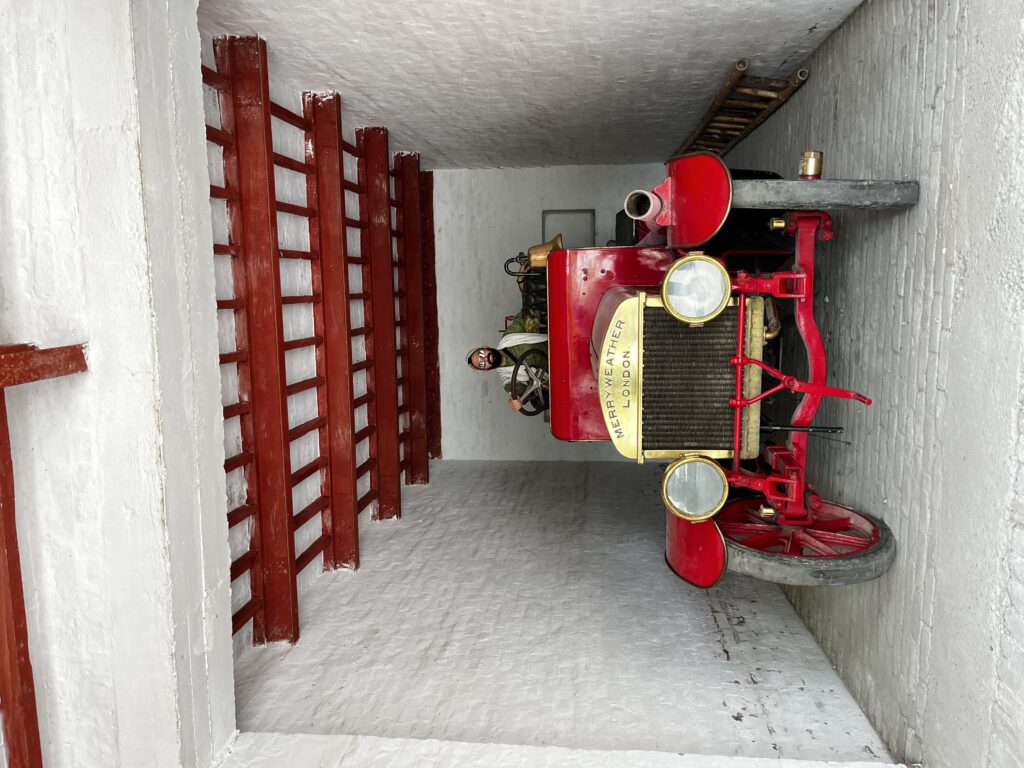
The Archaeological Treasure of Gor Khatri
The trail then leads us to Gor Khatri, one of the most fascinating heritage sites in Peshawar. Excavations here have revealed layers of civilizations that once thrived in the region. Within its compound stands a Mughal-era caravanserai, its arched doors and red bricks carrying the memory of travelers who once rested here.
The site also features a temple with a rare and unusually large Shivling, giving it immense religious significance. Nearby is an old fire brigade office from the British period, where the equipment still reflects colonial-era administration. Gor Khatri is like a living timeline of Peshawar, where Mughal, Hindu, and British histories come together in one space.
Said ka Bagh and the Gates of Peshawar
Our next stop is Said ka Bagh, a site with an unusual history. What began as a tomb later became a church during colonial times and today stands inside the Mission Hospital. This layered transformation reflects the changing cultural and religious landscape of the city.
We then arrive at Kotla Mohsin Khan Gate, one of the old entrances of Peshawar. Its heavy wooden doors and arched structure remind us of the grandeur of the Peshawar Wall, which once protected the city and its people.
Peshawar in Bollywood Memories
Heritage is not only about stones and structures. It also lives in memories, music, and cinema. Peshawar has a unique connection to Bollywood. Legendary actor Dilip Kumar spent his childhood here, while Shah Rukh Khan’s ancestral home still stands as a link to the present. Most famously, Kapoor Haveli, the birthplace of Raj Kapoor, adds a cinematic glow to the city.
Although under renovation, the haveli continues to be a reminder of Peshawar’s role in shaping cultural icons whose work crossed borders and touched millions. Walking through Qissa Khwani Bazaar, one can almost hear echoes of their stories mixed with the voices of storytellers who once entertained crowds with tales of adventure.
The Soul of Peshawar
What makes Peshawar truly special is not only its buildings but the spirit of its people. It is a city where history lives in conversations, in the aroma of food, in the walls of ancient havelis, and in the melodies of cinema.
For me, exploring Peshawar is about more than sightseeing. It is about listening to the voices of the past, capturing their essence, and sharing them with those who may never have the chance to walk these streets. This is my way of guiding, of taking you through each city and unfolding its hidden stories.
And the journey does not end here. In the next chapter, we will continue exploring the multicultural heritage of Peshawar, discovering how its past continues to shape its present.