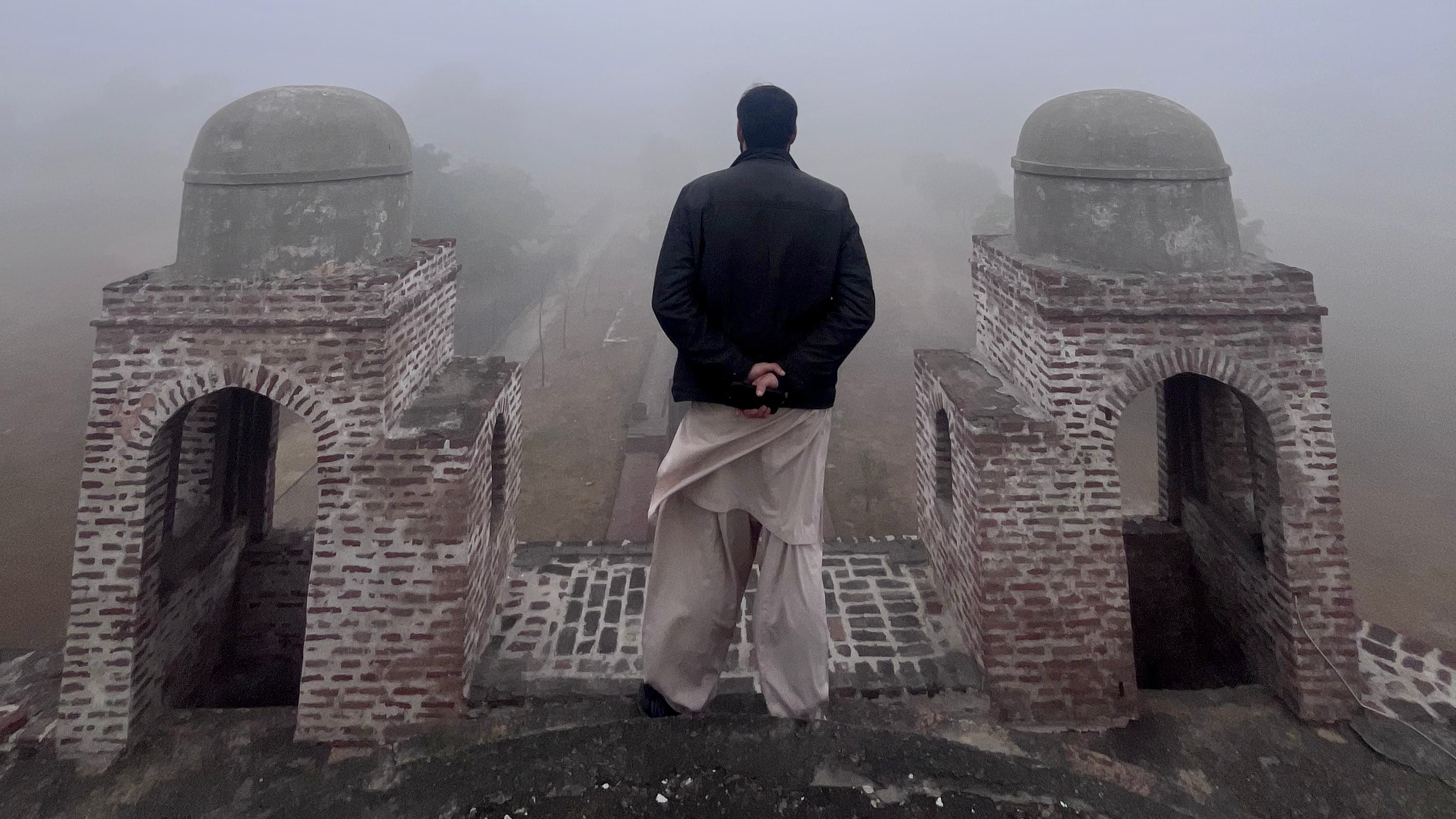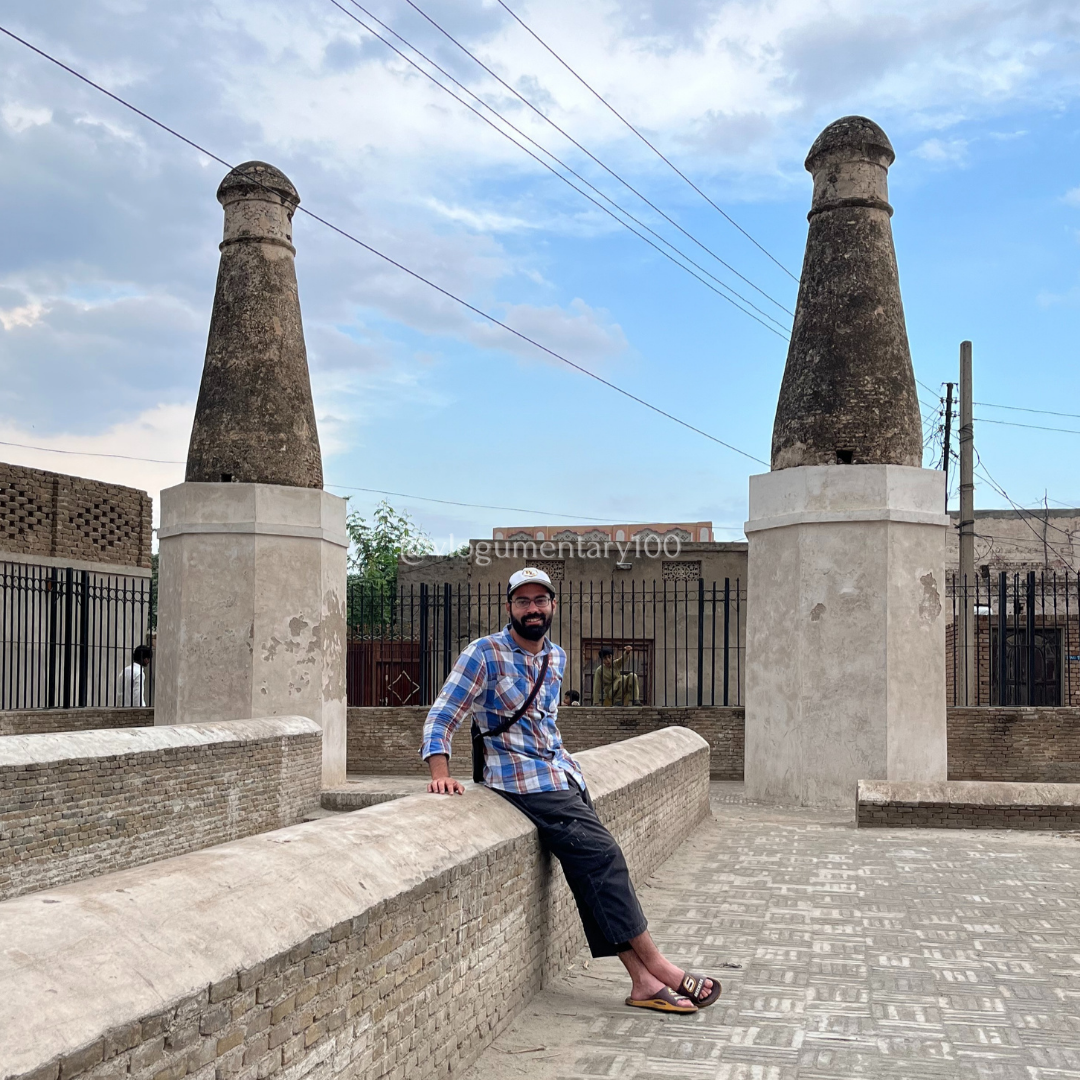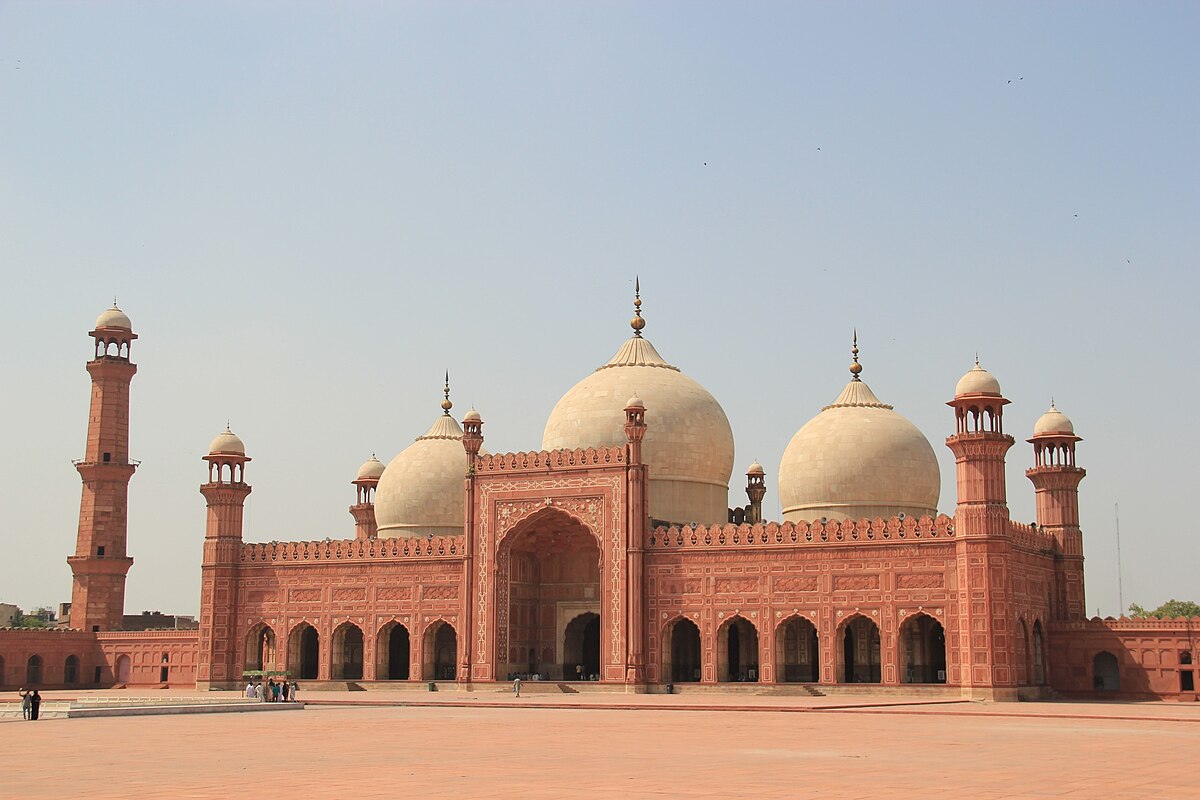
When we speak of Mughal heritage sites in Pakistan, the imagination often conjures images of grand forts, towering mosques, and royal gardens. Yet history is not shaped only by monuments that dominate skylines. It also lives quietly in forgotten corners, waiting for attentive eyes and patient hearts.
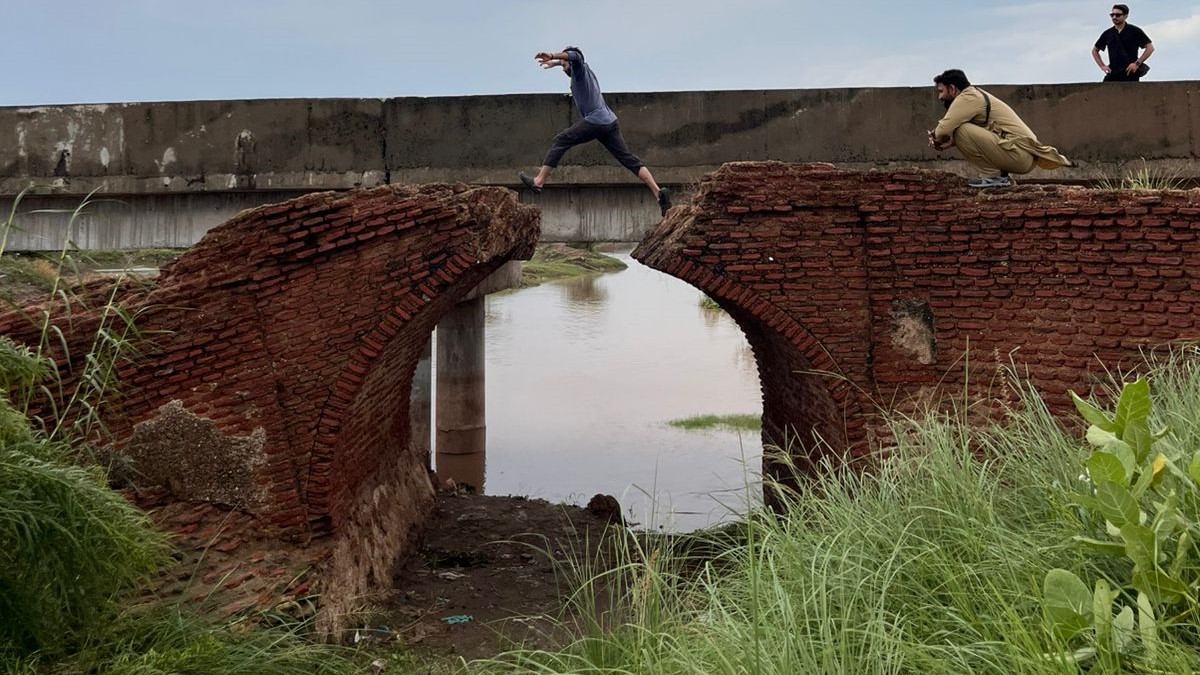
Within the shadows of urban Lahore, near Shadra and hidden behind Imamia Colony, stands a fragile Mughal-era bridge. It does not demand attention, nor does it announce itself. Instead, it survives through silence. In exploring this overlooked structure, one understands that Mughal heritage in Pakistan is not only about imperial glory but also about everyday infrastructure crafted with dignity, balance, and purpose.
HISTORICAL CONTEXT
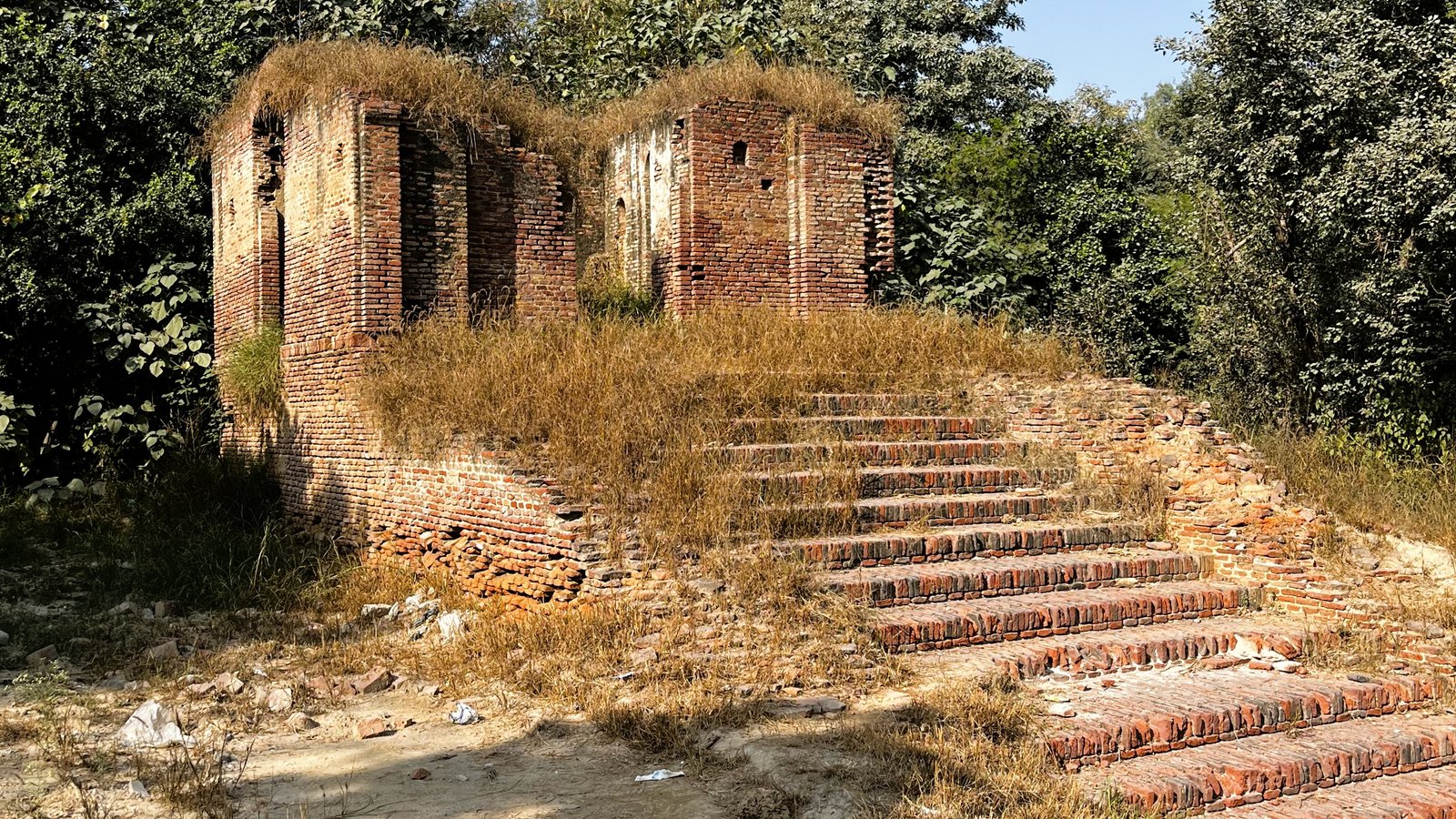
This site is a small Mughal-era bridge, now partially collapsed, built over an ancient drainage channel that once played a vital role in the regional water system of Lahore.
Where is it located
The bridge lies near Shahdara, on the rear side of Imamia Colony, close to the historical landscape shaped by Bhed Nala and Degh Nala.
When was it built
Based on construction material and brick typology, the bridge likely dates back to the Mughal period, possibly between the late sixteenth and early seventeenth century.
Who built it
While no inscription survives, the bridge reflects state-sponsored Mughal infrastructure, built under imperial administration to support mobility, agriculture, and urban life.
Why was it important
Bridges like this enabled trade routes, movement of people, and controlled water flow. They were functional lifelines rather than ceremonial structures.
How did it survive
The bridge survived not through protection, but through neglect. As urban expansion moved elsewhere, it was forgotten rather than destroyed, allowing fragments to remain.
ARCHITECTURAL SIGNIFICANCE
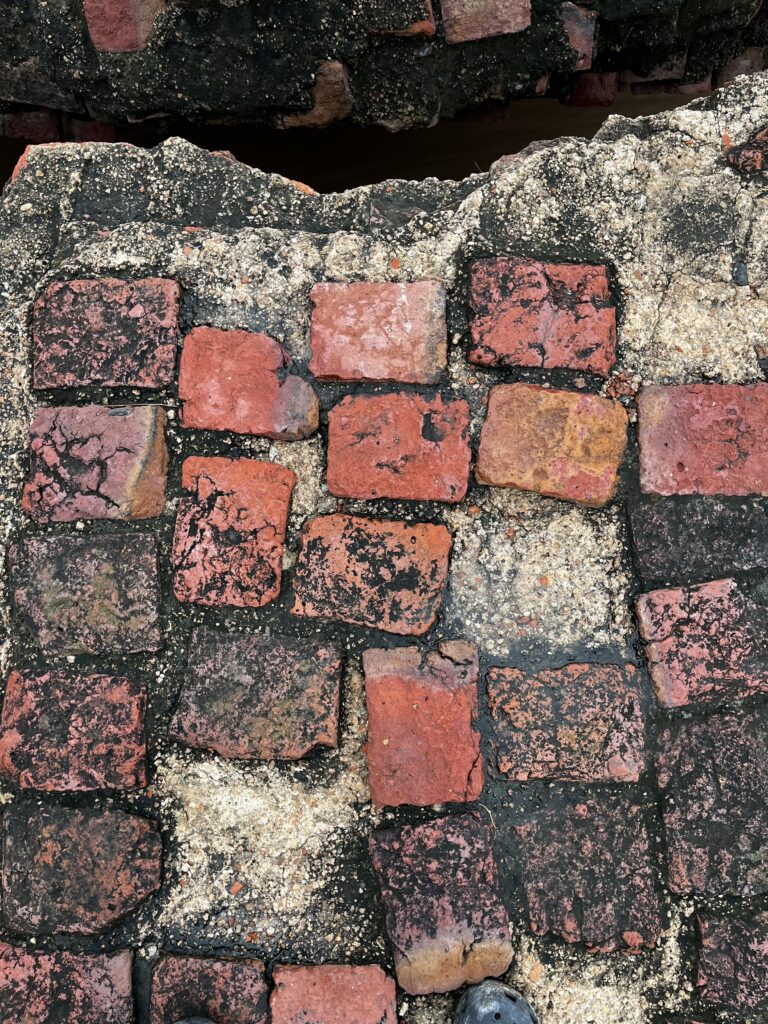
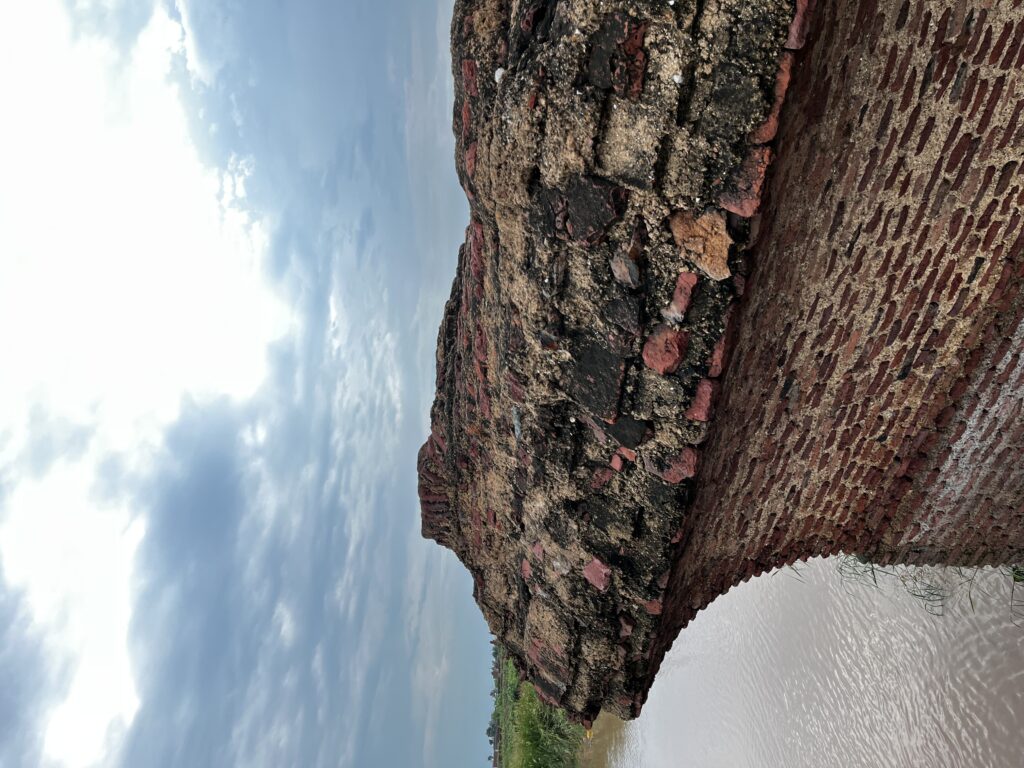
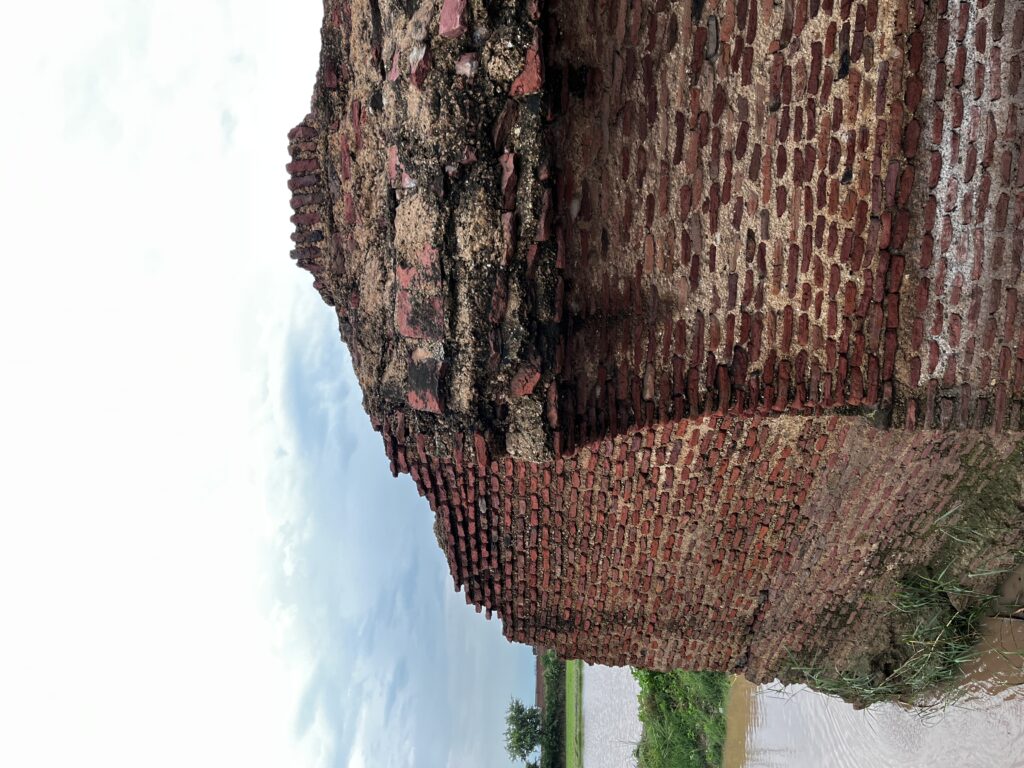
The most telling feature of this bridge is its use of Nanak Shahi bricks. These small, thin bricks are a defining marker of Mughal construction in Punjab. Their uniformity, bonding technique, and lime mortar usage reveal advanced engineering knowledge.
Even in its broken state, the bridge displays balance and proportion. The curvature of the arch, the thickness of the piers, and the symmetry of construction suggest that aesthetics were never separated from utility in Mughal architecture. This philosophy is also visible in other Mughal bridges in Pakistan, where function was always refined through form.
IMPORTANT HISTORICAL DEVELOPMENTS
The region around Shahdara once held multiple Mughal bridges due to the presence of Bhed Nala and Degh Nala. Over time, most were lost to neglect or deliberate demolition.
One surviving example is Shah Dola Bridge, which still carries traffic today and has been discussed in detail in Mughal infrastructure of Lahore. Another bridge within Sheikhupura district remained in use until recent years before being dismantled, its remains discarded into the drain.
These losses reflect a broader pattern within hidden historical places in Lahore, where development often proceeds without historical assessment or sensitivity.
CURRENT CONDITION AND USE
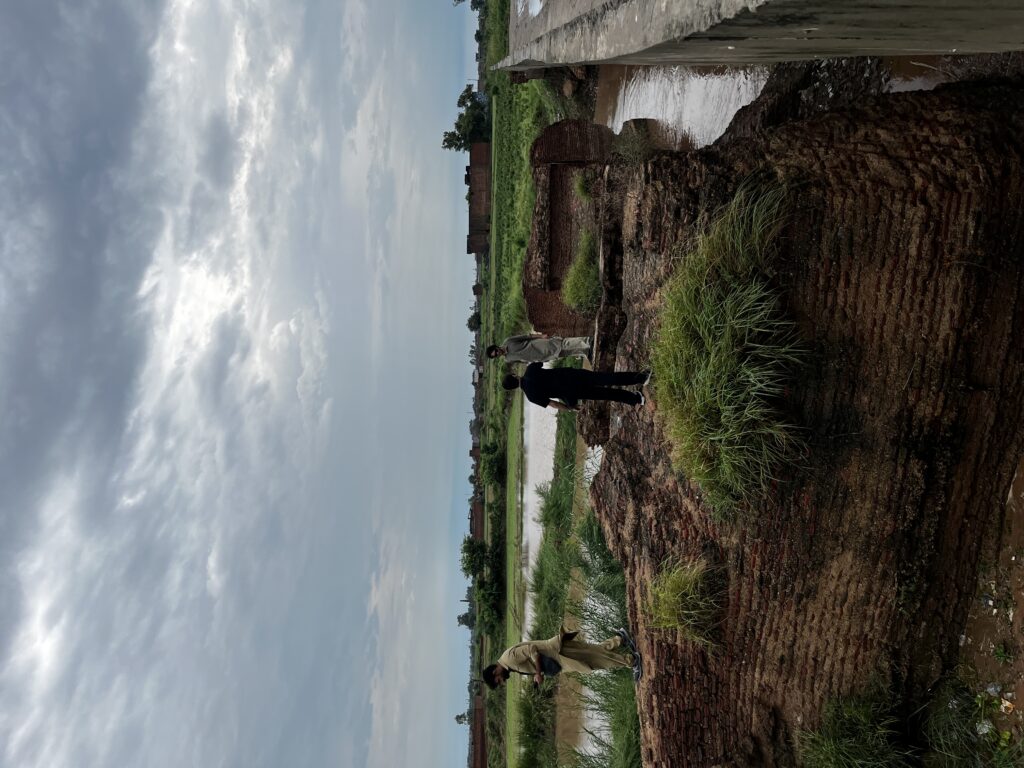
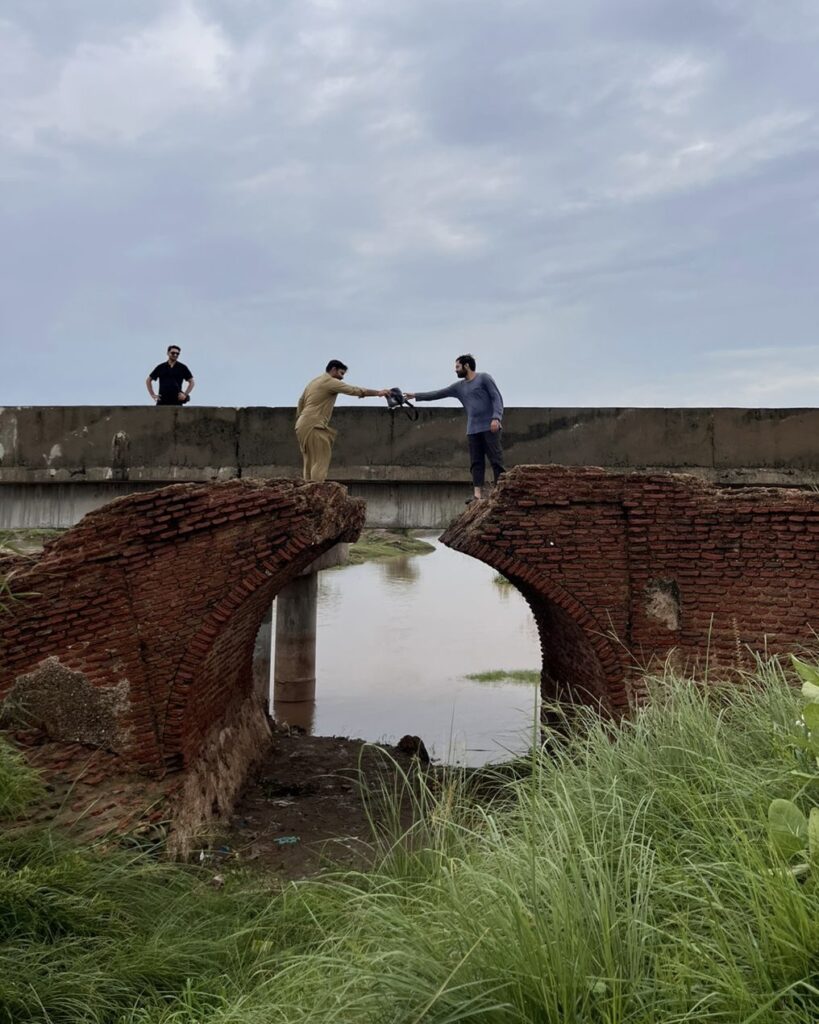
Today, the bridge is no longer functional. It stands partially collapsed, surrounded by urban housing and informal activity. The drain beneath it continues to flow, sometimes polluted, sometimes clear, depending on the season.
There is no signage, no protection, and no official recognition. To local residents, it is an ordinary ruin. To historians and heritage professionals, it is an endangered archive built of brick and lime.
MY PERSONAL EXPERIENCE ON SITE
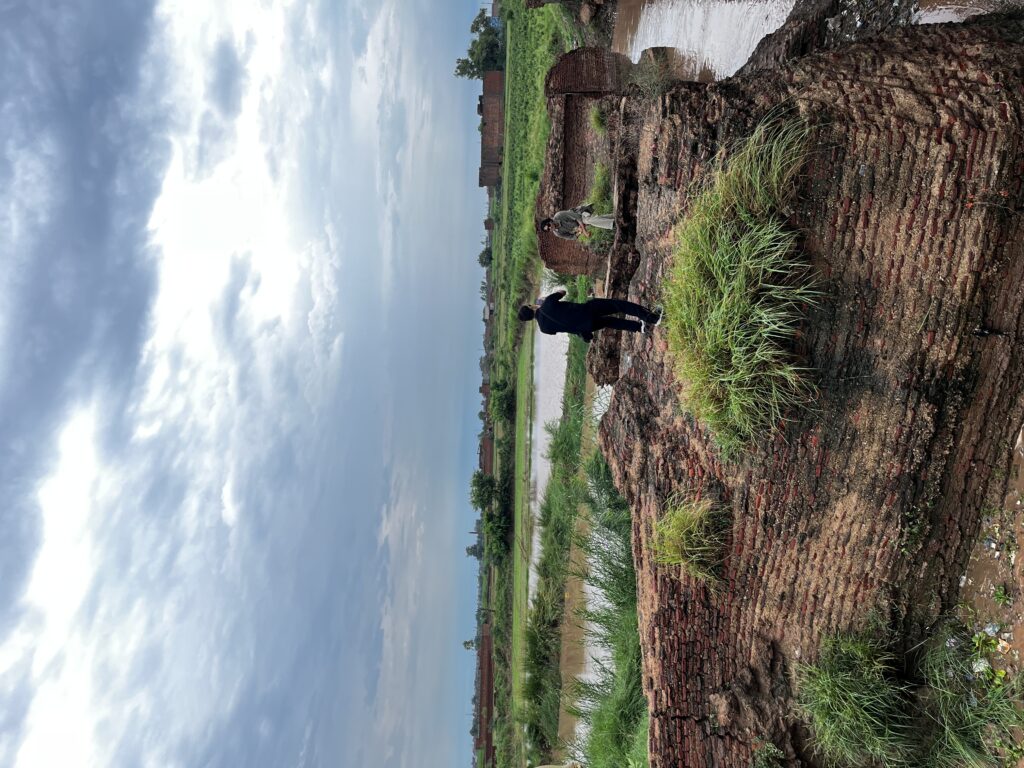
I visited this bridge with friends during a quiet afternoon after rainfall. The air was cool, the earth refreshed, and the water beneath the bridge unusually clear. In that moment, the bridge felt less like a ruin and more like a memory briefly awakened.
The locals watched us with curiosity as we examined brick sizes, mortar textures, and structural remnants. Carefully, we climbed onto the broken arch, not out of thrill, but out of respect. Standing there, one could imagine carts crossing, travelers resting, and water flowing beneath centuries ago.
Moments like these define my engagement with Lahore heritage tourism, where exploration becomes an act of listening rather than spectacle.
- British Heritage (3)
- Cities (2)
- Hindu Heritage (5)
- Muslim Heritage (8)
- Sikh Heritage (5)

WHY SUCH SITES MATTER TODAY
Forgotten structures like this bridge challenge our understanding of heritage. They remind us that preservation is not only about grandeur, but about continuity. These spaces can become open-air classrooms, cultural trails, and reflective landmarks if acknowledged responsibly.
They also hold immense potential for storytelling-driven tours, aerial documentation, and community-led conservation narratives, particularly within the broader framework of Mughal heritage sites in Pakistan.
If you wish to experience Pakistan’s heritage beyond guidebooks and crowds, to walk into forgotten chapters of history, and to understand architecture through lived landscapes, I invite you to journey with me.
Follow my work, join curated heritage walks, and support the documentation of sites before they disappear. Together, we can ensure that these silent witnesses are not lost to time, but carried forward through stories, scholarship, and shared responsibility.