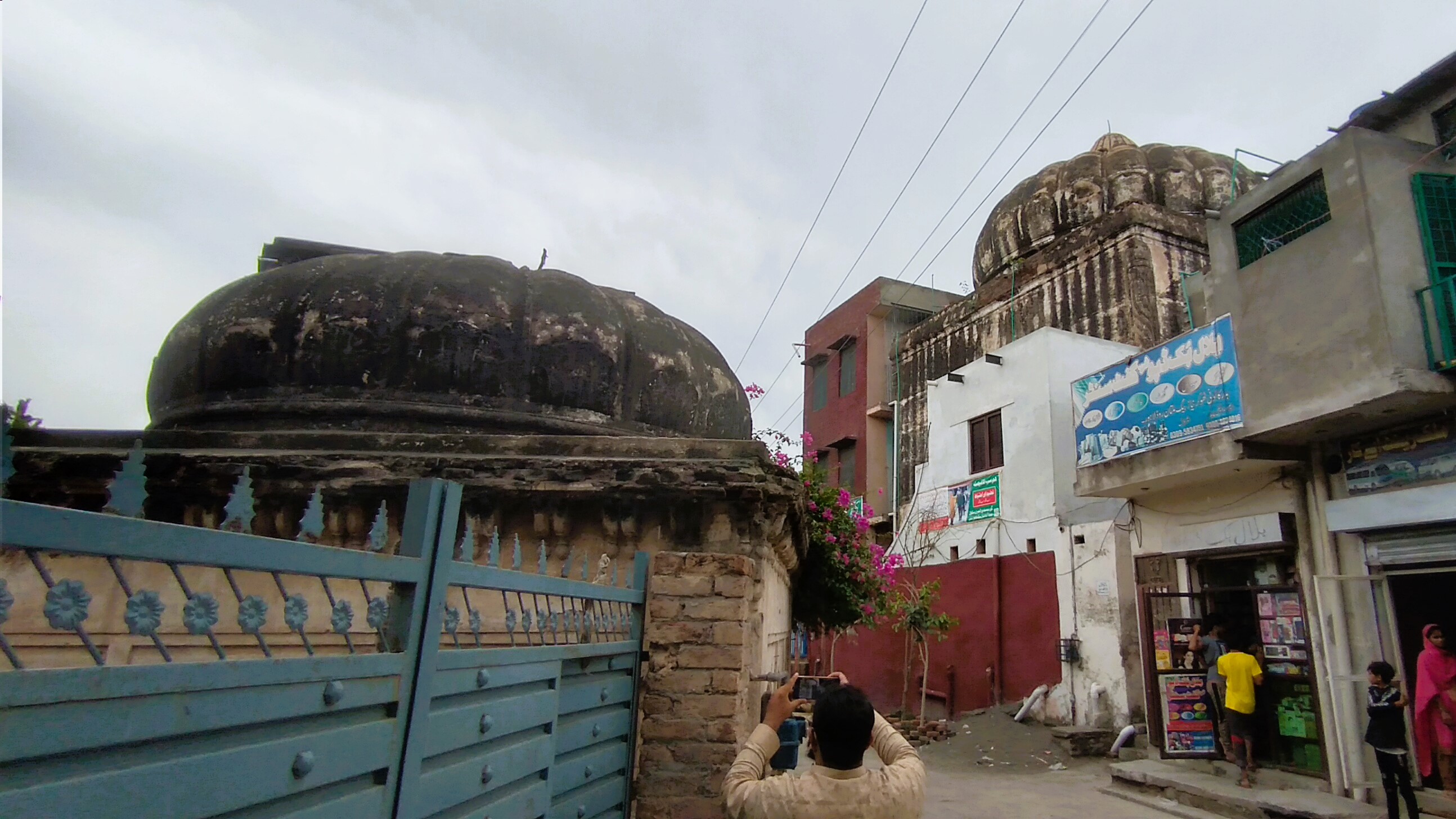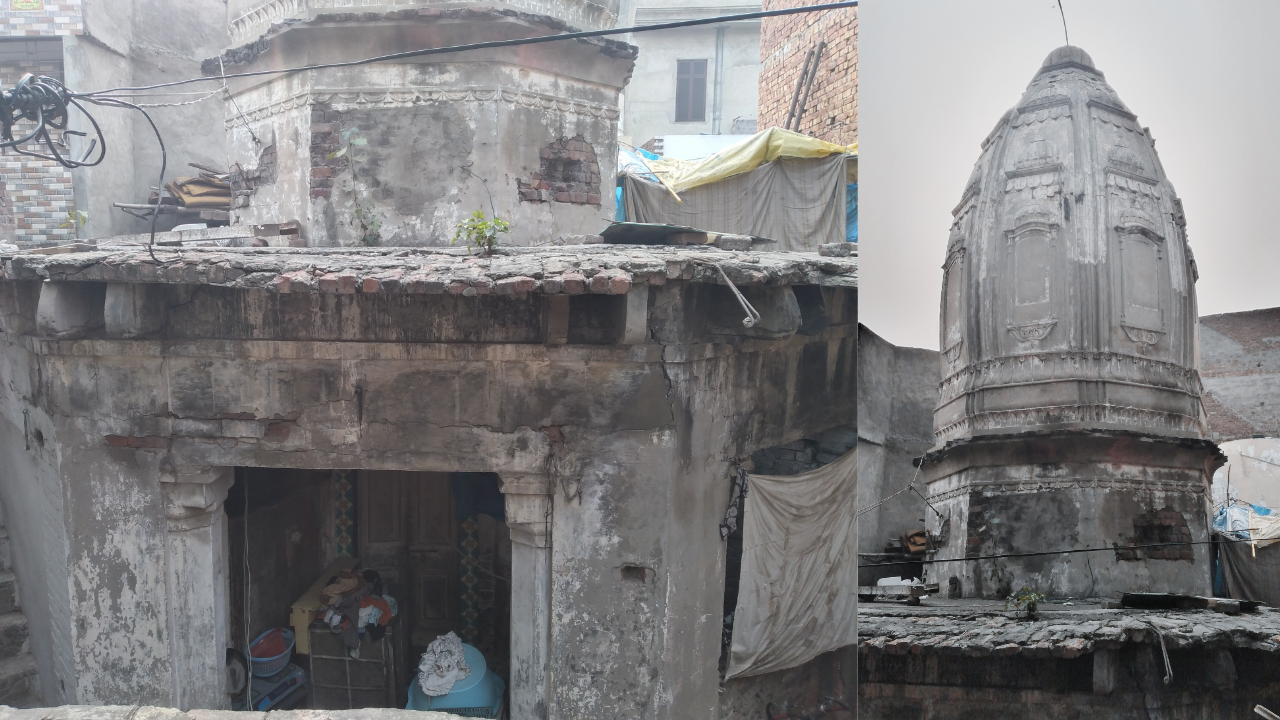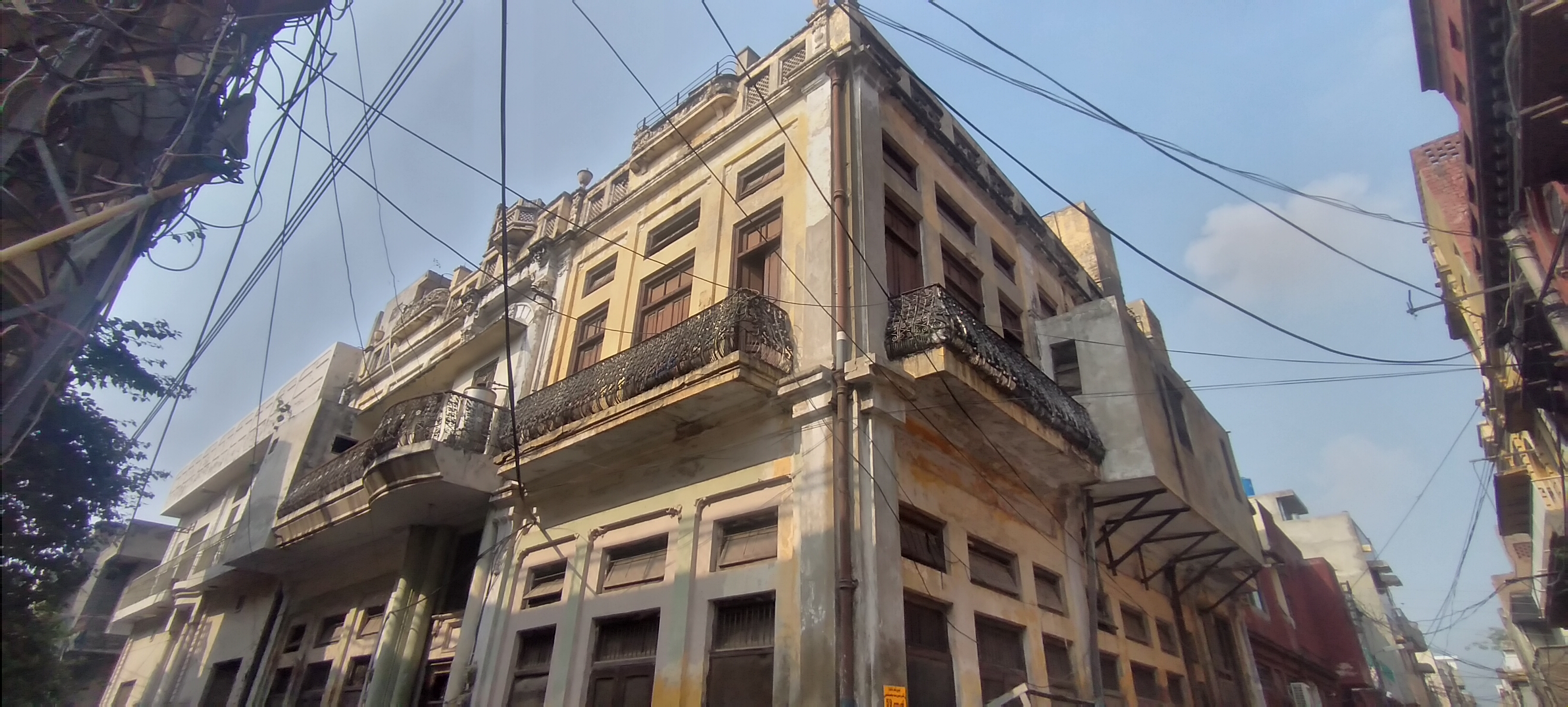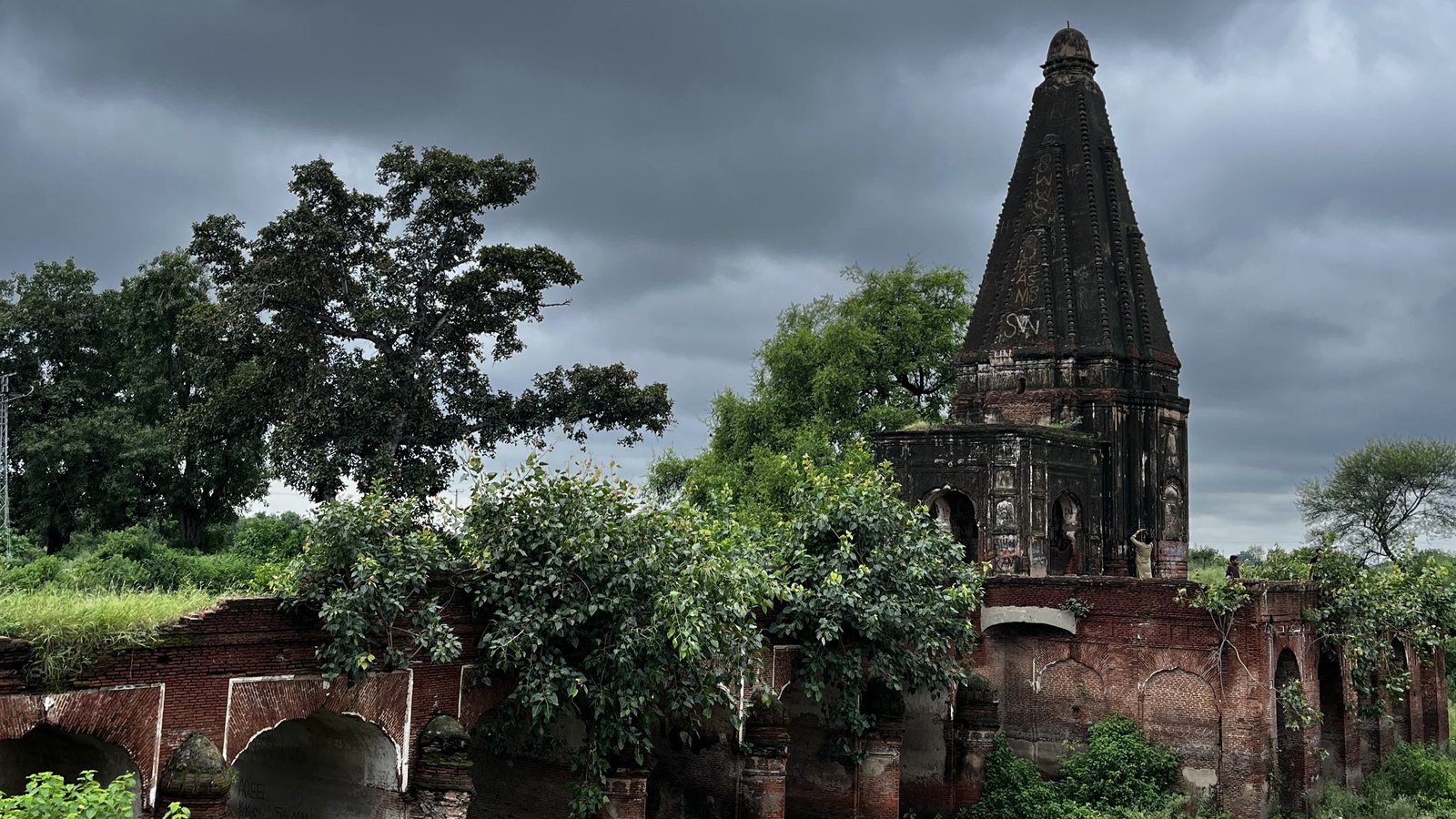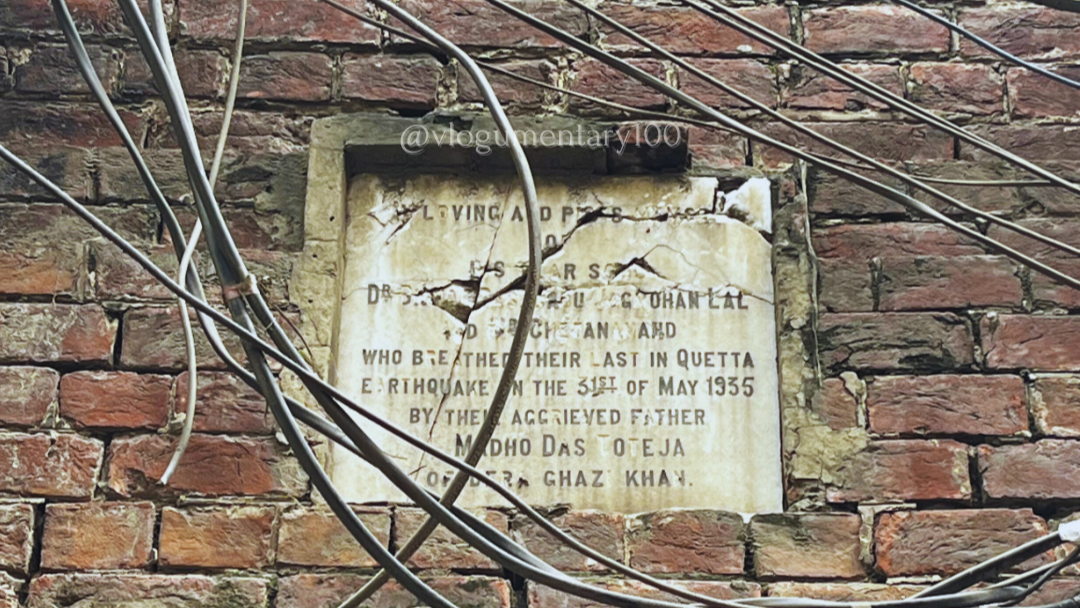
The 1935 Quetta earthquake history is usually told through numbers, statistics, and official reports. But sometimes, history hides in stone. While wandering through the narrow lanes of old Lahore, Mohni Road Bilal Gunj, I discovered a broken plaque that carried the grief of a father and the memory of two sons lost in the earthquake. This discovery reminded me that Lahore’s heritage is not only about monuments but also about the old Lahore memories carved quietly into forgotten corners.
The Plaque: A Father’s Memory in Stone
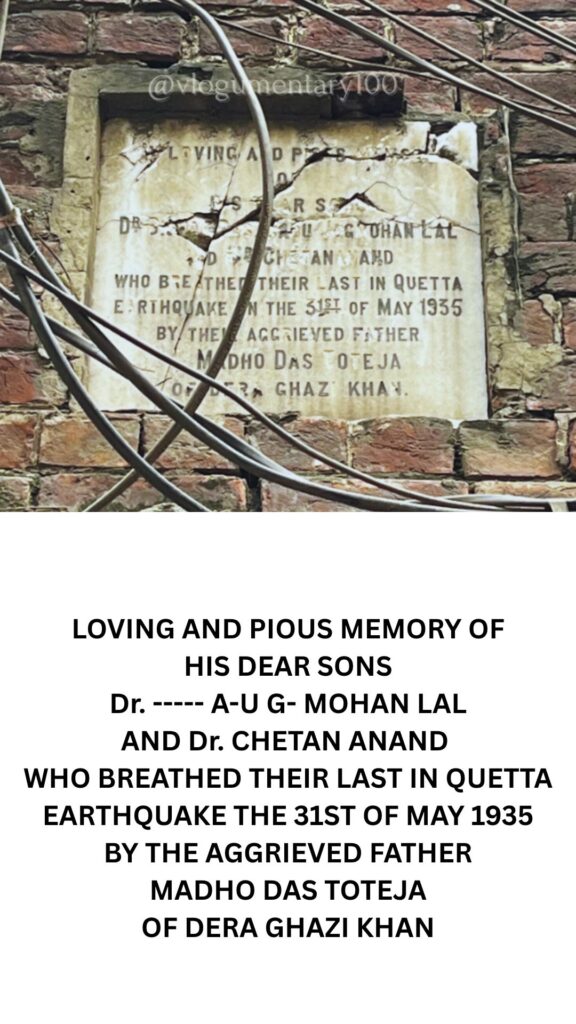
Here is the inscription I found, written in fragments yet still carrying its weight of sorrow:
LOVING AND P—S (Pious) MEMORY OF
–S –AR SONS (His Dear Sons)
Dr. —– A-U G- MOHAN LAL
AND Dr. CHETAN ANAND
(These were his two doctor sons. The first one’s name ended with “Mohan Lal”, while the second one’s name can be read as “Chetan Anand”)
WHO BREATHED THEIR LAST IN QUETTA
EARTHQUAKE THE 31ST OF MAY 1935
BY THE AGGRIEVED FATHER
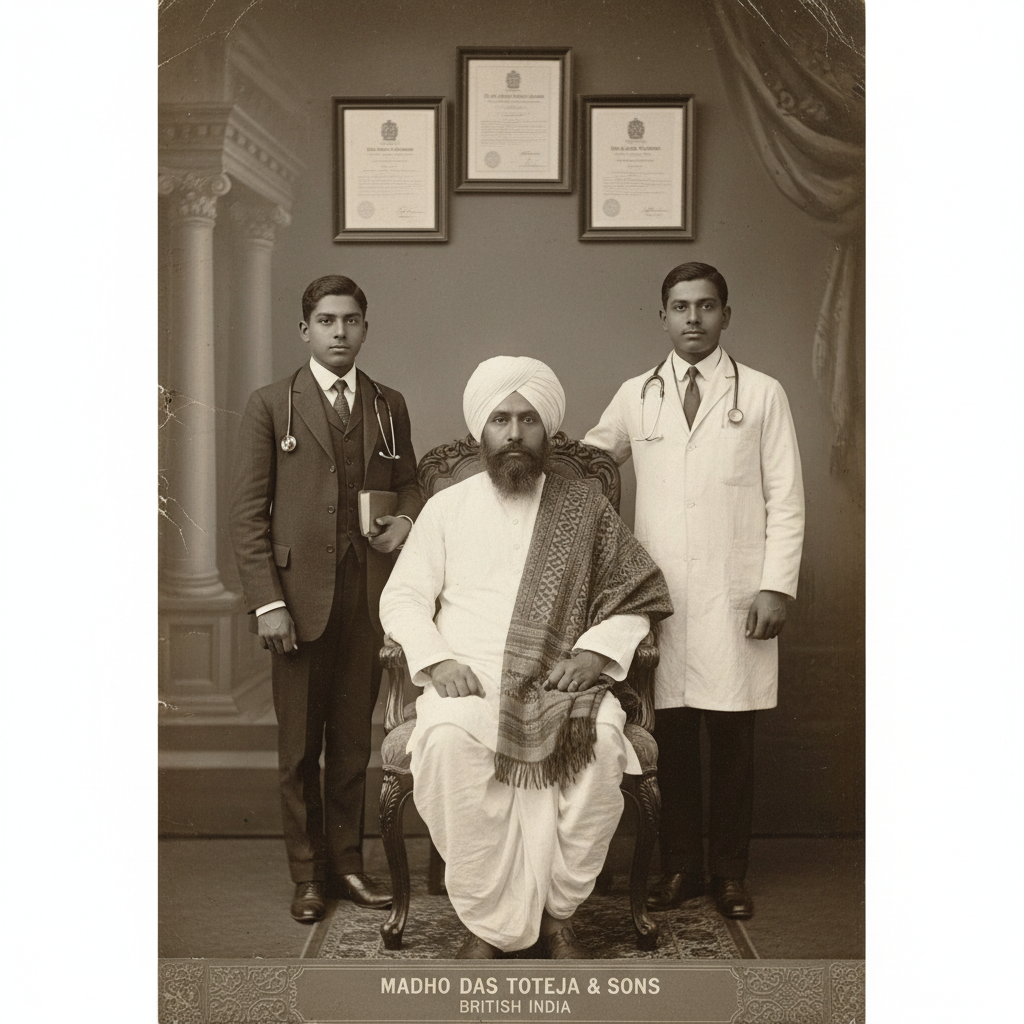
MADHO DAS TOTEJA (Toteja is a Hindu Caste)
OF DERA GHAZI KHAN
The stone was broken into pieces. Some words had faded, but the essence remained. A Hindu father, Madho Das Toteja, chose Lahore to carve his grief after losing his sons in Quetta’s devastation.
The 1935 Quetta Earthquake History
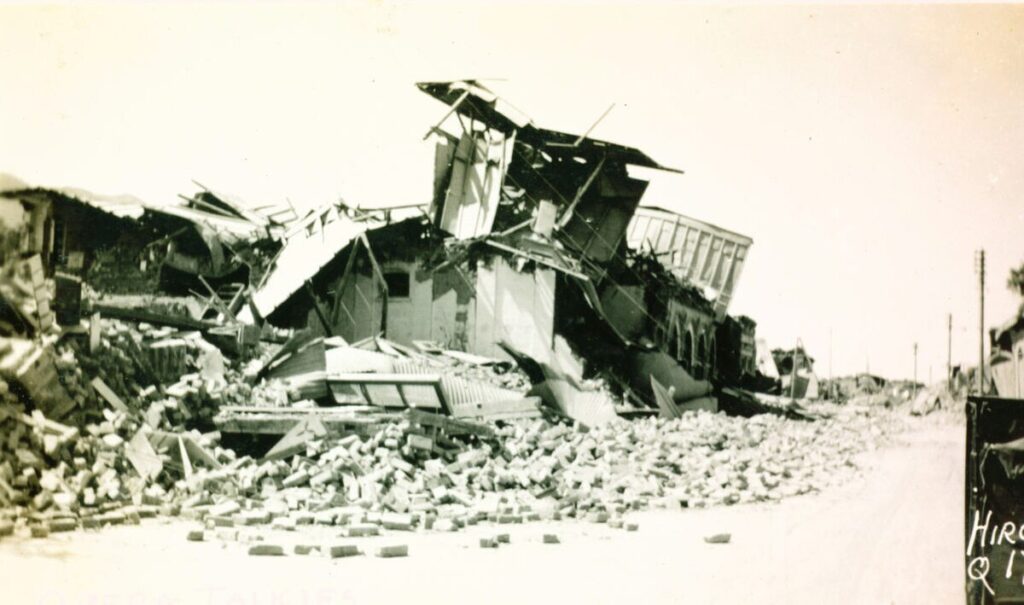
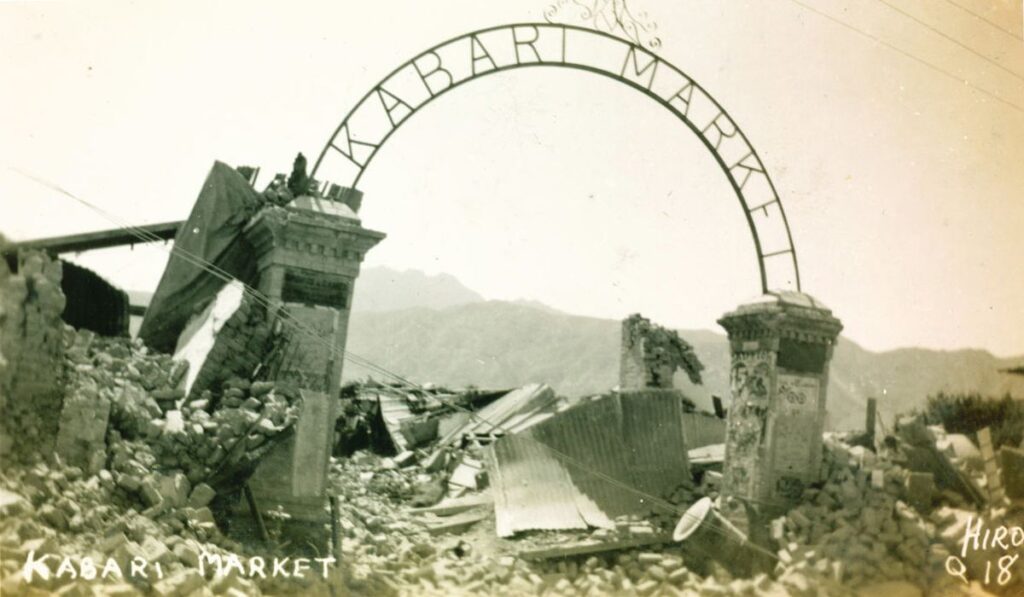
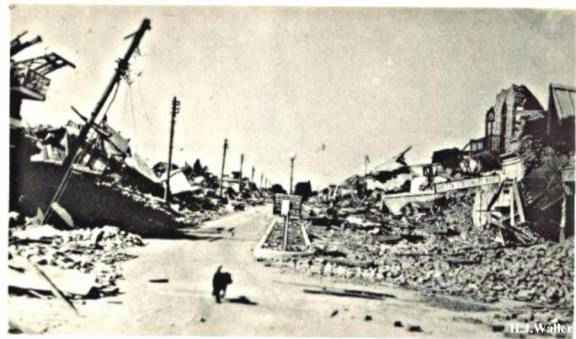
The earthquake struck Quetta in the early hours of May 31, 1935. Within moments, the city collapsed. More than 30,000 lives were lost, entire old neighborhoods of Quetta vanished, and survivors carried the scars of loss forever.
This plaque in Lahore serves as a silent memorial to that tragedy. It connects two cities, reminding us that history is never confined by geography.
Personal Connections to Quetta
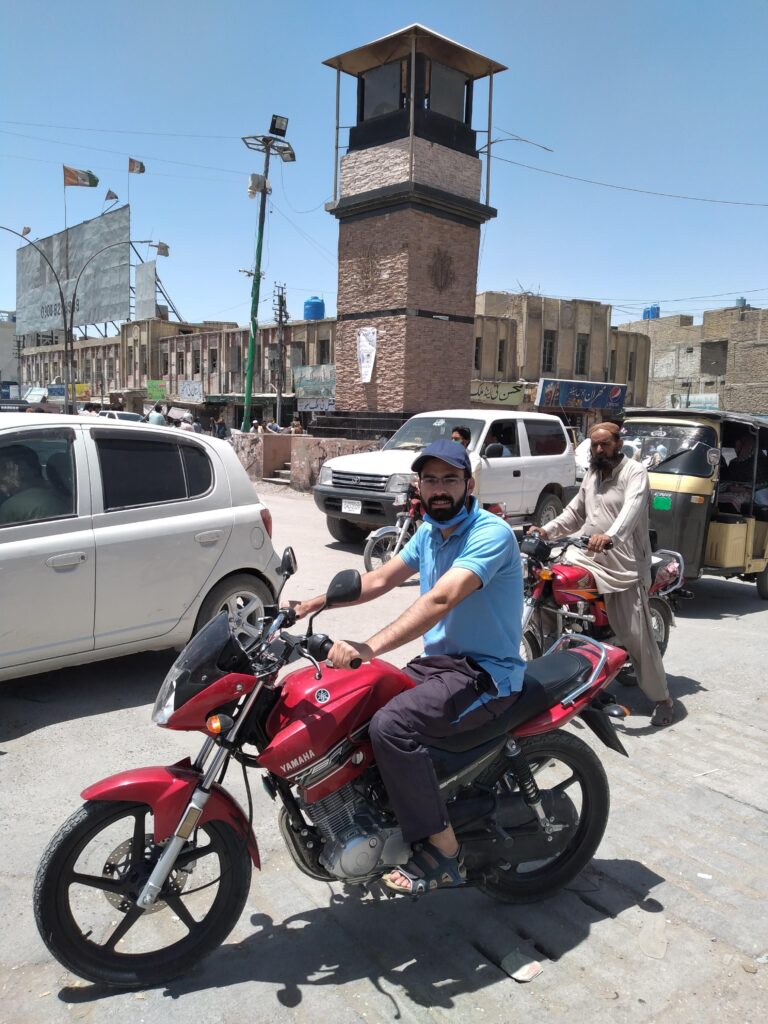
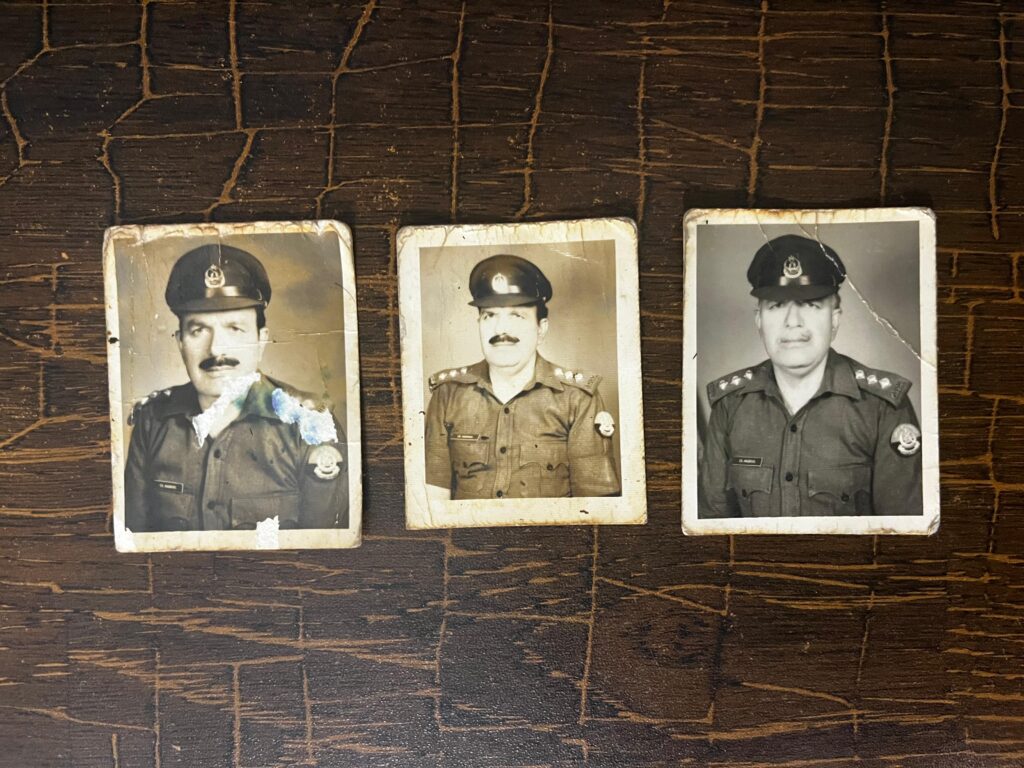
This story struck me deeply because my own family history is also tied to Quetta. My mother was born there, my maternal grandfather served in the Balochistan Police, and my great-grandfather worked under the Khan of Kalat. I myself have visited Quetta twice in search of its forgotten heritage, and I hope to return soon. When I stood before that plaque in Lahore, I did not just see stone. I saw an unbroken chain of stories connecting me to the same soil of Quetta.
Lahore Before 1947: Hidden Memories in the Streets
When we think of Lahore before 1947, we often focus on Partition and the division of homes, families, and memories. Yet, plaques like this show us that Lahore was already carrying stories of migration, tragedy, and resilience even before Partition. Every plaque, haveli, and alleyway tells us something about the old Lahore neighborhoods’ history. They are like pages in an unwritten book, waiting to be read by those who seek them.
This is what I share in my tours: Lahore heritage partition stories, plaques, inscriptions, hidden temples, and ancestral homes that still echo with voices from the past. Many travelers join me not only to see the famous gates and mosques but also to search for their roots. Through a Lahore ancestral homes search, families rediscover where their grandparents lived, or trace the forgotten landmarks of their personal history.
Sometimes, we even use a Lahore pre-partition map to locate these places, linking stories to geography, and turning abstract history into something living and touchable. Walking through these streets, I am reminded that Lahore’s identity is layered. Its past is not only Mughal grandeur or colonial architecture but also personal grief, like that of Toteja’s plaque, and collective trauma, like that of Partition. These old Lahore memories form a tapestry that holds together the city’s spirit.
also read this;
- Hindu Heritage (1)
- Muslim Heritage (5)
- Sikh Heritage (1)
Old Lahore Memories and the Power of Heritage
Walking through these streets, I am reminded that Lahore’s identity is layered. Its past is not only Mughal grandeur or colonial architecture but also personal grief, like that of Toteja’s plaque, and collective trauma, like that of Partition. These old Lahore memories form a tapestry that holds together the city’s spirit.
Conclusion
The 1935 Quetta earthquake history is not just about Quetta. It is about Lahore, too, where grief was carved in stone and left for us to find. This plaque is one story among thousands that still hide in Lahore’s streets, waiting for seekers to pause and listen.
I invite you to book a customized tour with me, Saad Zahid, and explore Lahore’s old neighborhoods, Partition stories, and ancestral homes. Follow my platform Vlogumentary across all social channels, where I continue to share tours, media, and workshops.