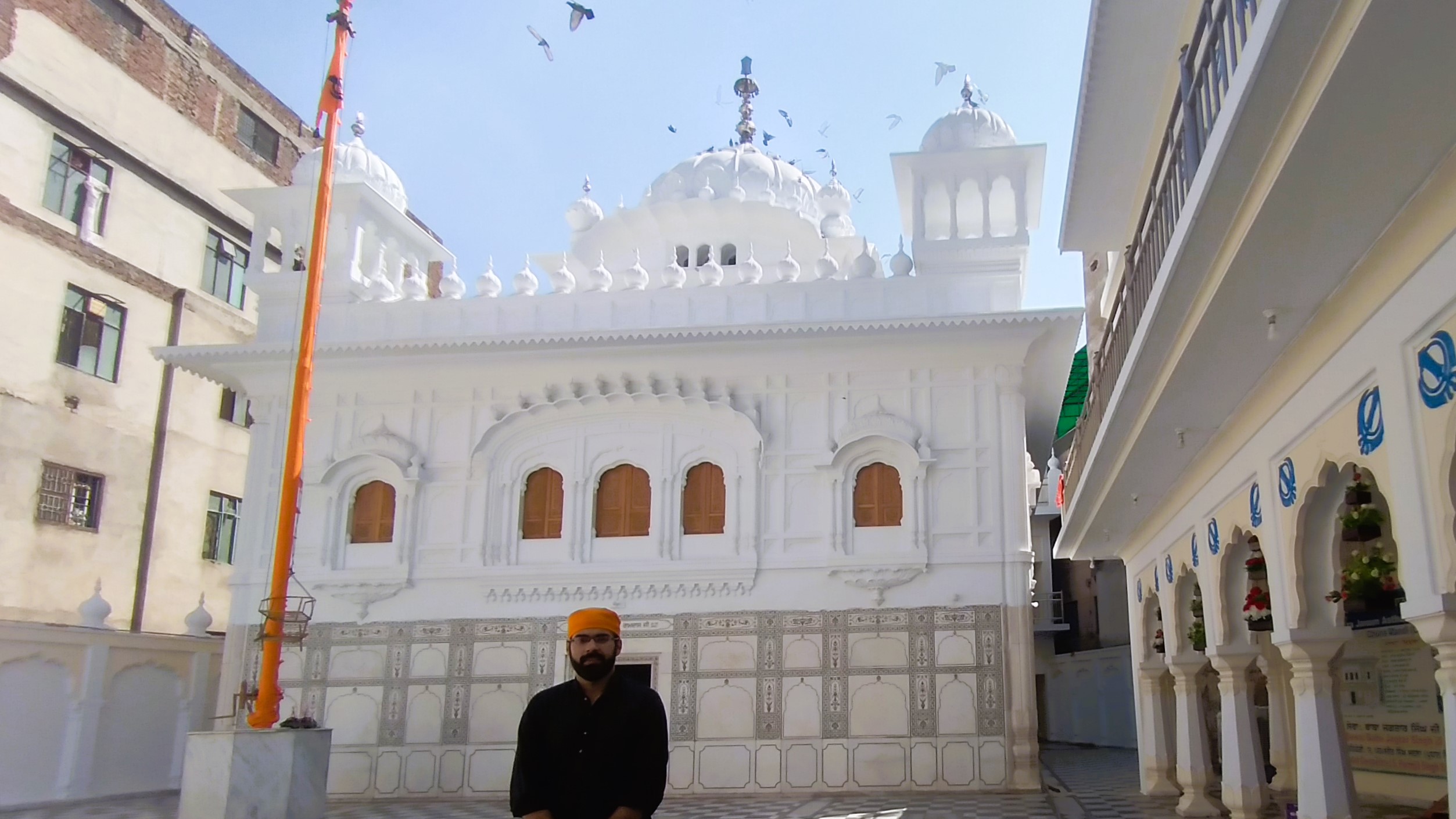
If you are drawn to stories that live within walls, heritage tours Pakistan open a world where history breathes softly through stone and faith. Nestled deep within Lahore’s Chuna Mandi, Gurdwara Janam Ashthan Guru Ram Das is a sacred landmark, the birthplace of the fourth Sikh Guru. It is not merely a monument but a living reminder of devotion, humility, and cultural coexistence that shaped the spiritual soul of Punjab.
History
In the heart of walled city Lahore, surrounded by the labyrinthine streets of Chuna Mandi, lies the birthplace of Guru Ram Das, the fourth Guru of Sikhism. He was born here in 1534, in an era when the city was a vibrant intersection of trade, culture, and faith.
Guru Ram Das spent the first seven years of his life within this humble dwelling, before the family moved to Goindwal. His teachings, deeply rooted in equality and service, later inspired the founding of Amritsar, today one of Sikhism’s holiest cities.
The Gurdwara as it stands now was commissioned in 1801 by Maharani Nakain Kaur, wife of Maharaja Ranjit Singh. On the joyous birth of her son, Kharak Singh, she ordered the construction of a new structure over the ancestral home of Guru Ram Das, ensuring that the memory of this place remained eternal.
Architecture: Harmony in Stone and Spirit
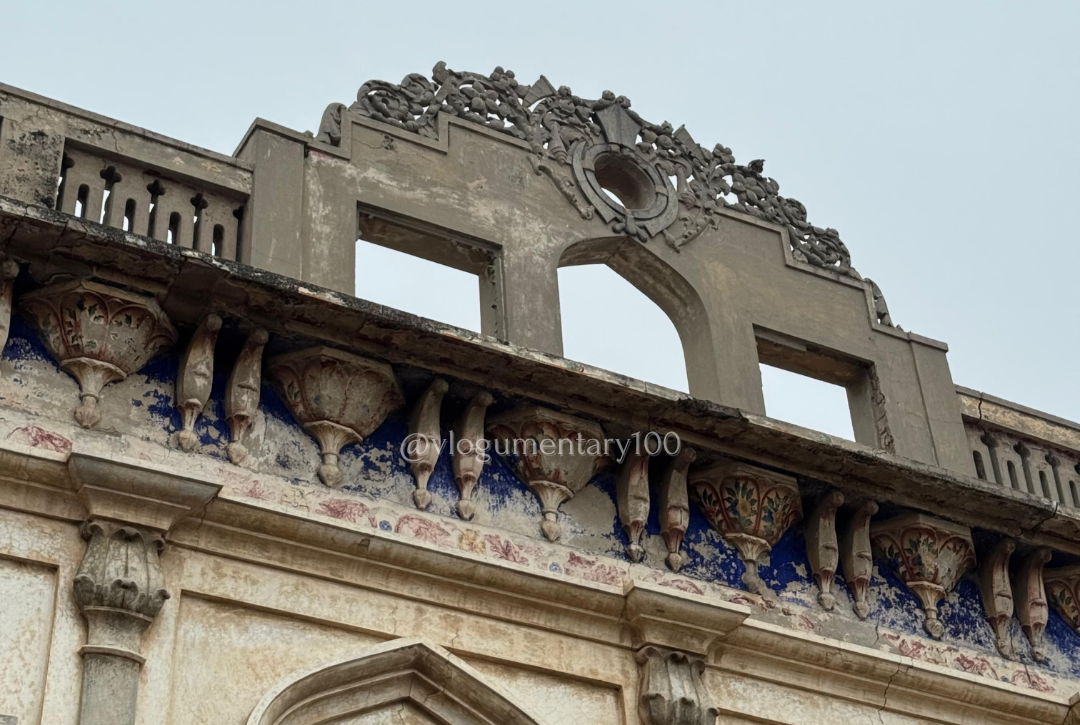
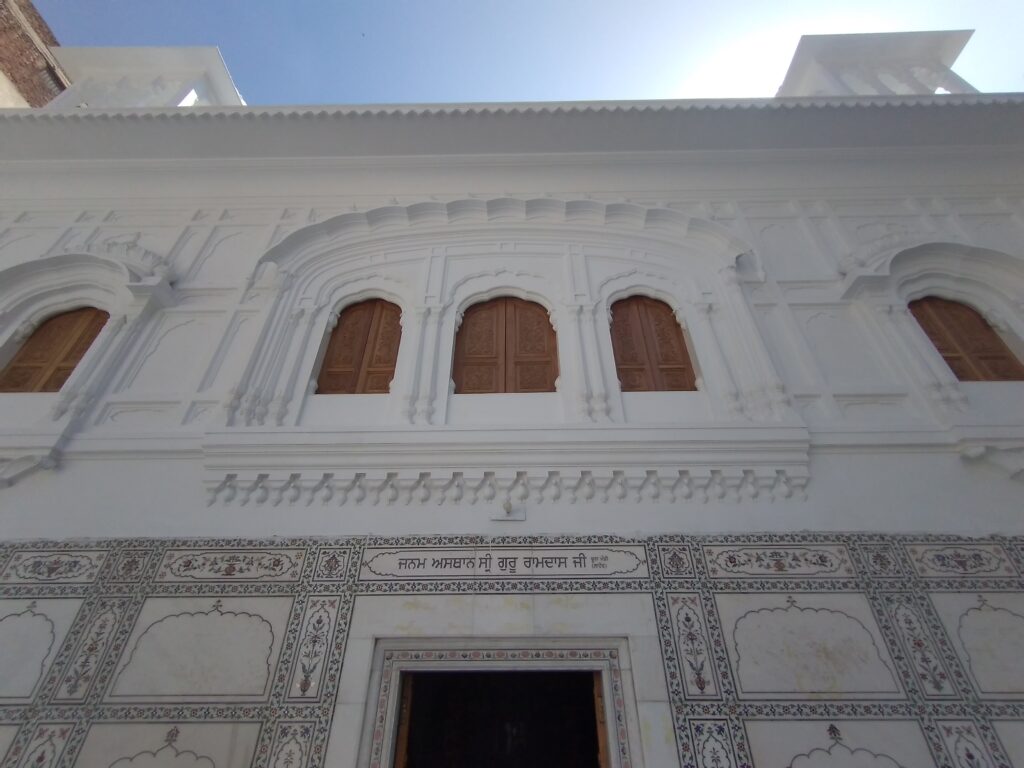
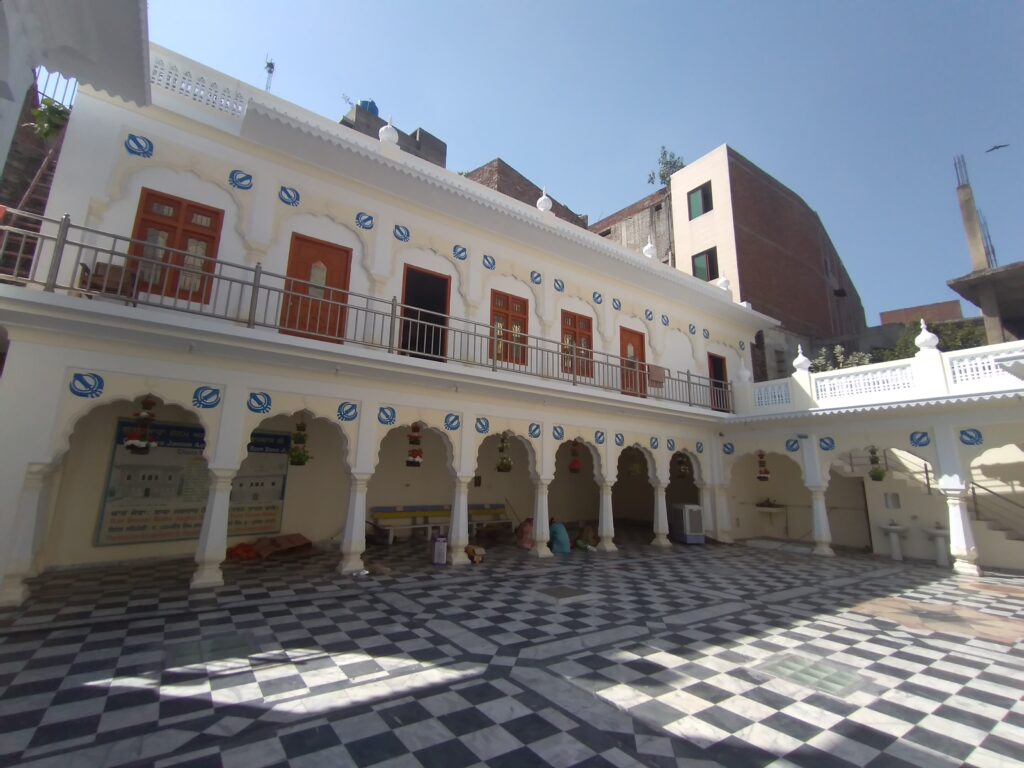
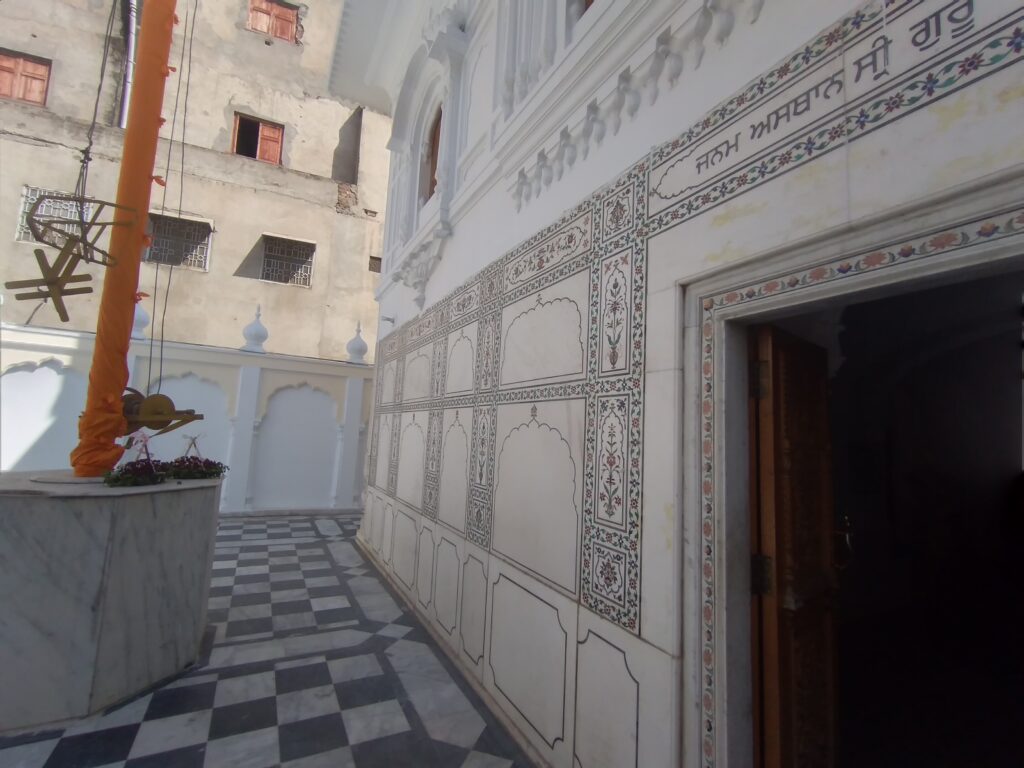
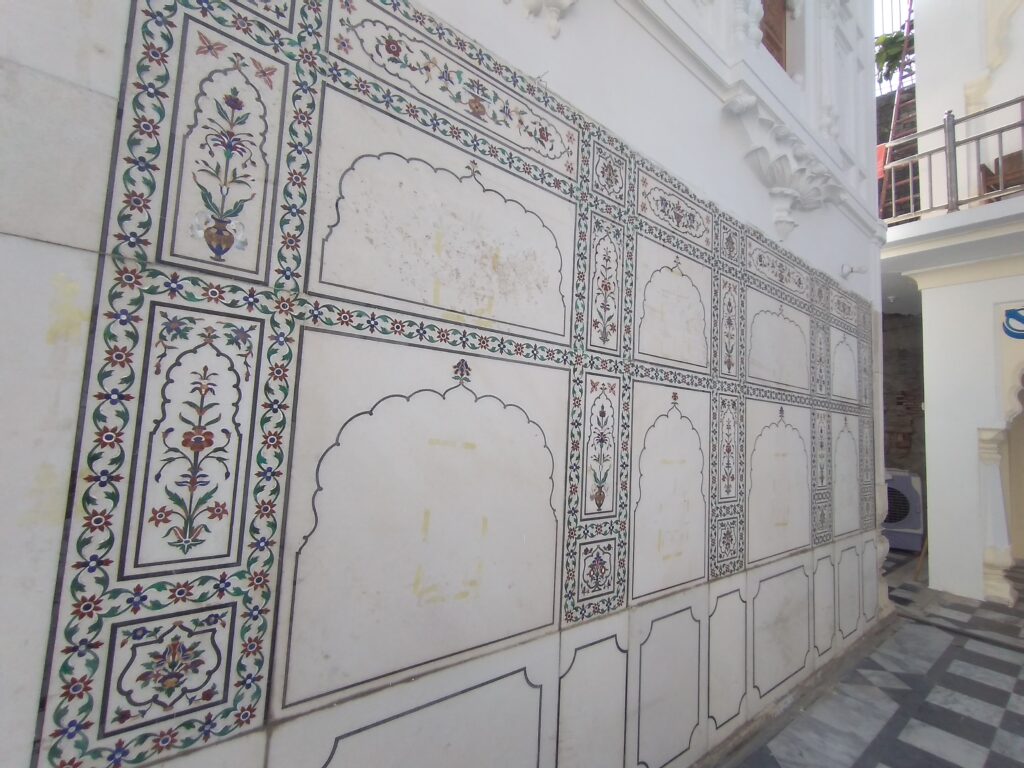
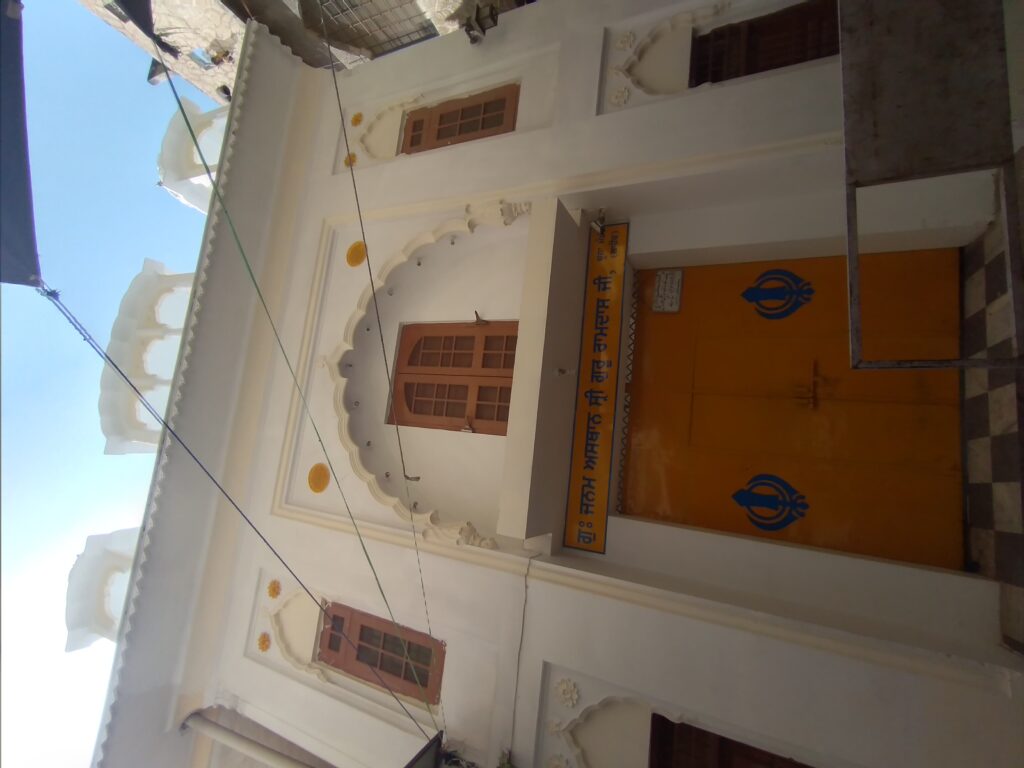
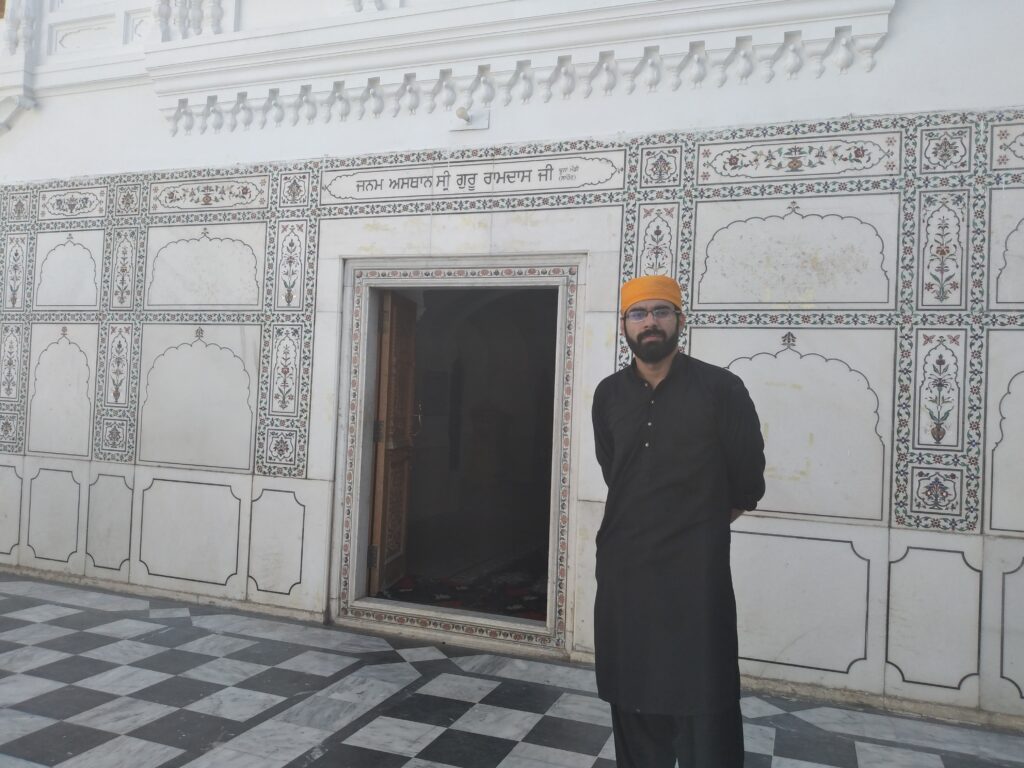
The architectural design of the Gurdwara mirrors the Harmandir Sahib in Amritsar, displaying a rare blend of Sikh, Mughal, and Punjabi influences. The courtyard, elevated several steps above the street, glows with white marble — a symbol of spiritual purity.
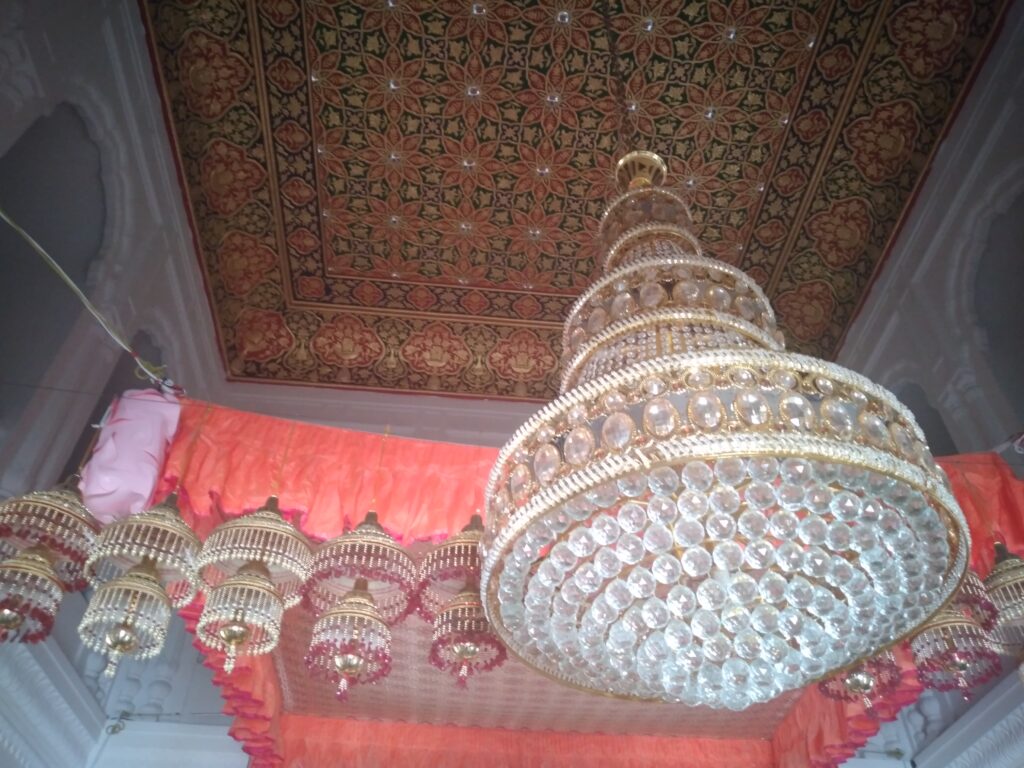
Upon entering, visitors are greeted with an air of quiet reverence. The main hall is adorned with delicate frescoes and latticework that speak of Lahore’s artistic legacy. The marble flooring, cool underfoot, reflects the faint shimmer of the oil lamps that continue to light evening prayers.
Though small in scale, every corner of this building tells a tale of endurance and faith. It is a piece of living heritage that welcomes pilgrims and historians alike — a must-visit for those exploring Sikh heritage Pakistan.
Important Historical Events
The Gurdwara’s story intertwines with the lives of both Sikh Gurus and the Sikh Empire.
- In 1801, Maharani Nakain Kaur’s construction project transformed the modest ancestral home into a permanent shrine.
- During the Sikh Empire, it became a vital religious hub within the walled city.
- Following Partition in 1947, many Sikh pilgrims were displaced, yet the site was preserved by local caretakers and now falls under the Evacuee Trust Property Board (ETPB).
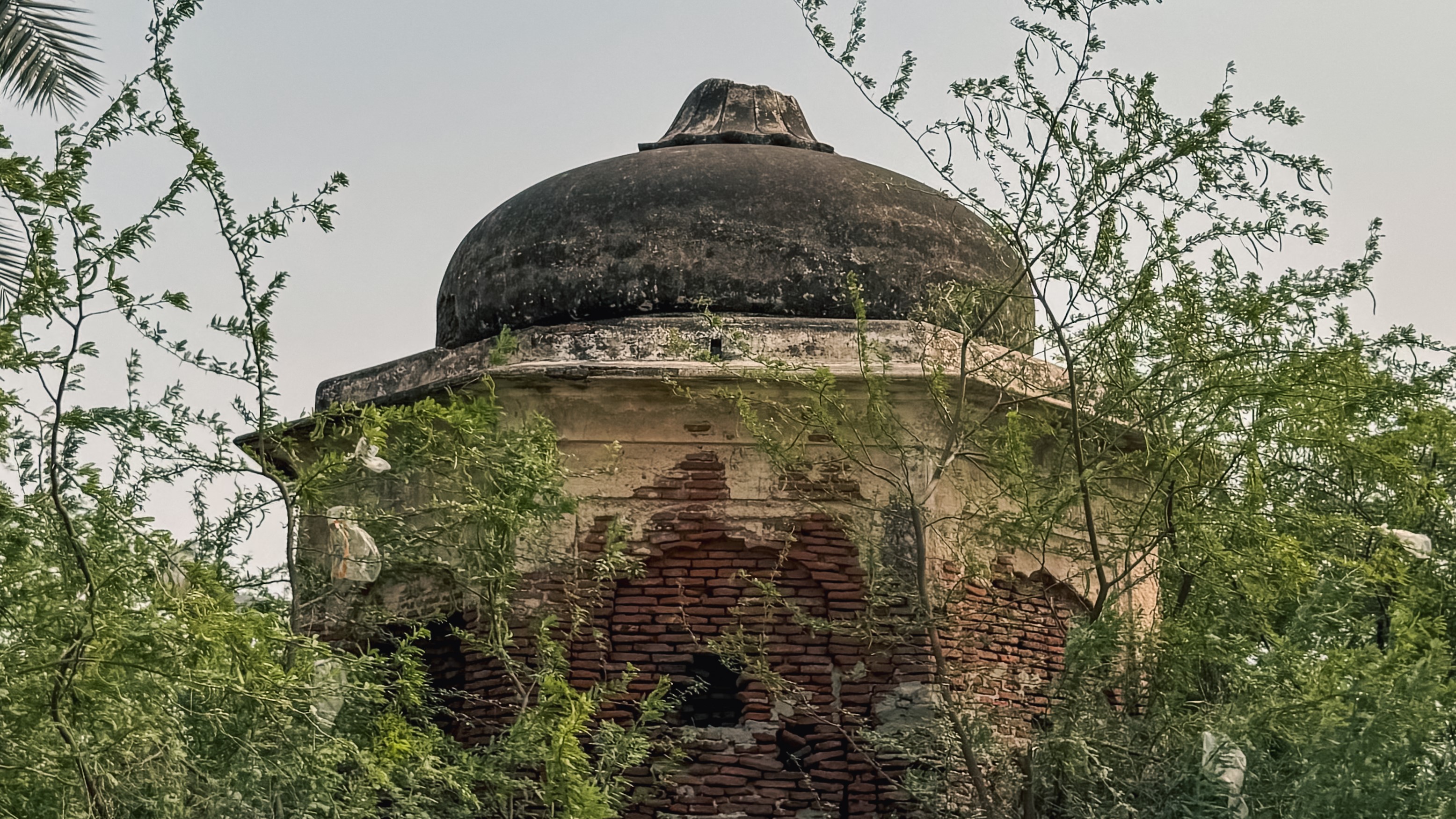
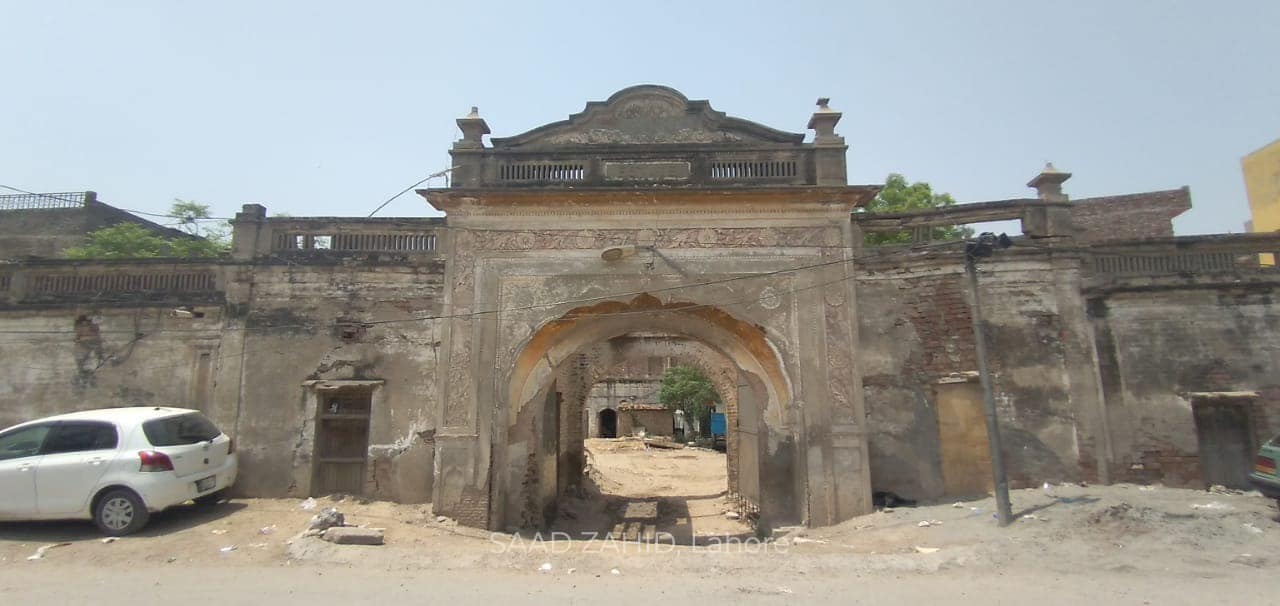
Despite years of neglect, its sanctity has endured. The Gurdwara remains a beacon of harmony and an embodiment of Lahore’s pluralistic past — a spirit still visible through religious heritage Lahore tour experiences.
Current Use of the Building
Today, Gurdwara Janmashtham Guru Ram Das stands as both a pilgrimage site and a heritage landmark. It welcomes visitors during religious festivals and special prayer sessions. The Janm Asthan (birthplace) room retains its original intimacy, while the Langar Khana (community kitchen) continues the Sikh tradition of serving free meals to all — regardless of faith.
The site’s caretakers maintain the courtyard and prayer halls with quiet devotion. As a traveler, you are not just stepping into a monument, but into a space that continues to serve humanity.
Those pursuing archaeological tourism Pakistan Punjab often include this Gurdwara in their study of Lahore’s evolving sacred landscape — a living laboratory of coexistence, architecture, and memory.
My Personal Experience
On a quiet morning, I arrived at the Gurdwara unsure if entry would be allowed. I knocked gently, and a kind Sardar Ji opened the door. After learning I was from Gulshan Ravi, he asked for my ID and smiled warmly, inviting me inside.
As I climbed the marble steps, a sense of calm surrounded me. In the courtyard, two women were cutting vegetables. I greeted them with a simple Assalamu Alaikum Khala Ji, and their laughter filled the air. “Assalamu Alaikum Asalamu Putra,” one replied. That moment of shared humanity reminded me why heritage is not only about bricks but about bonds that outlive time.
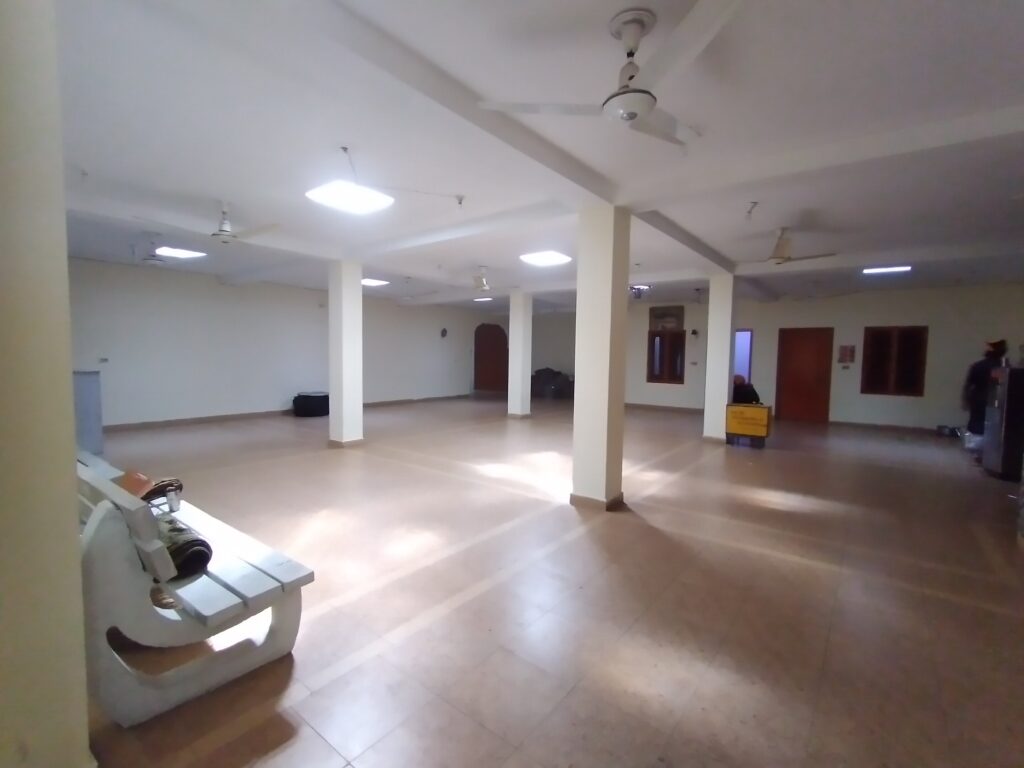
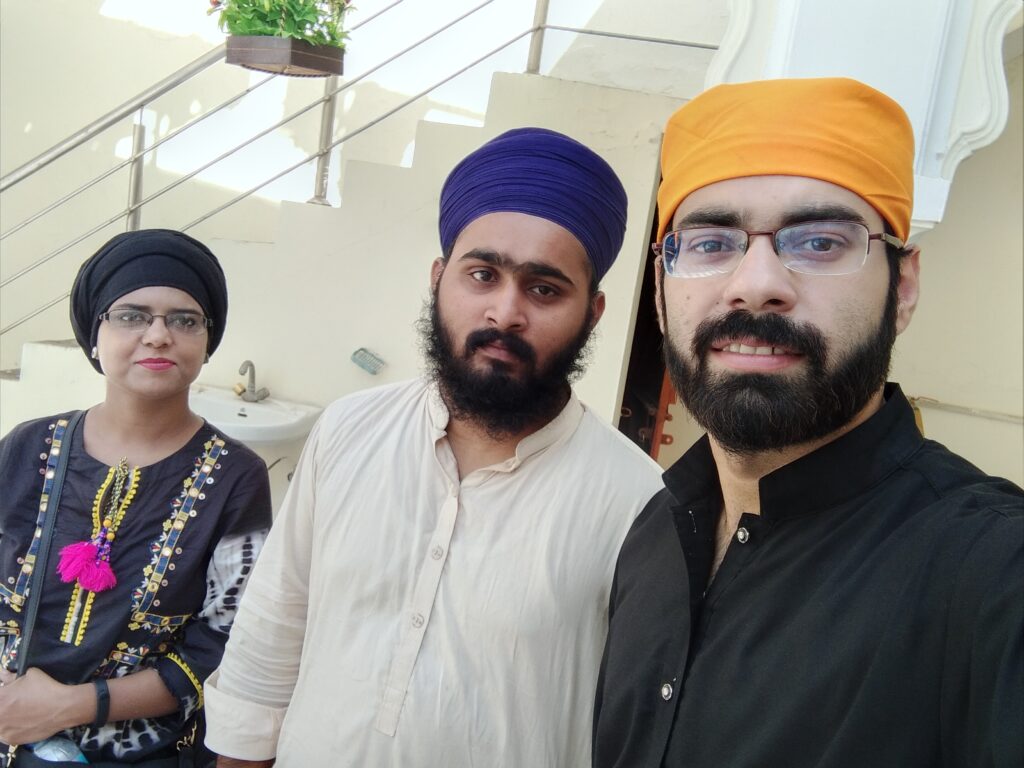
Inside, a second caretaker guided us through the prayer hall. He explained the significance of ongoing recitations of the Guru Granth Sahib, the heart of Sikh devotion. As he spoke, the rhythmic chants echoed softly through the marble hall, carrying centuries of faith within their cadence.
Before leaving, I asked for a glass of water. He washed a special glass and offered it with both hands — a simple gesture that carried the grace of centuries.
Additional Insights: Heritage in the Air
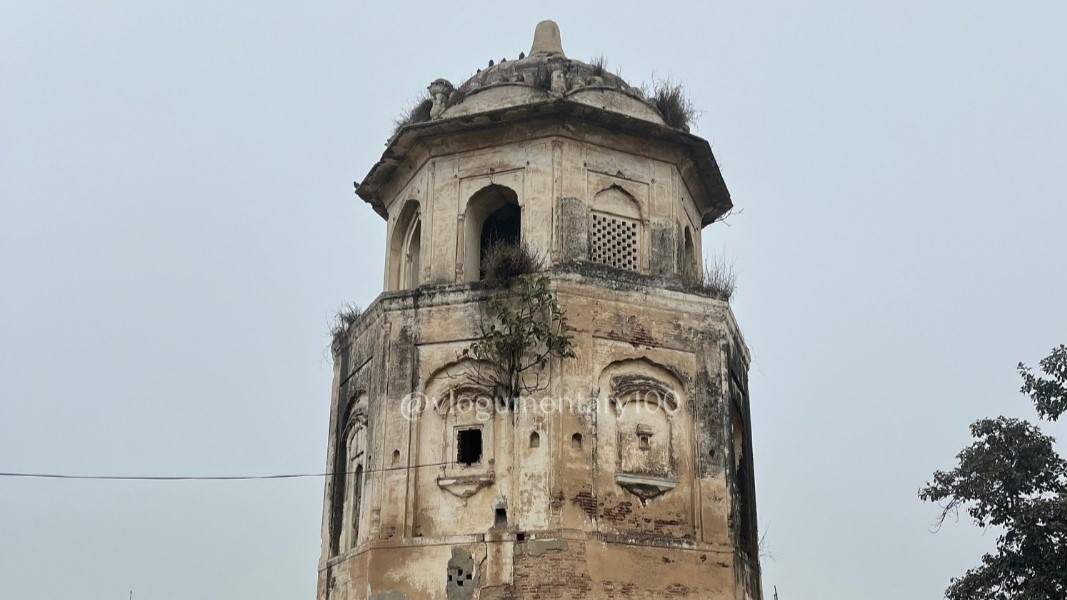
Lahore’s spiritual topography becomes even more captivating when viewed from above. Aerial perspectives reveal how sacred architecture defines the walled city’s rhythm — domes, courtyards, and rooftops woven into an ancient urban fabric. Integrating aerial exploration into heritage tours Pakistan offers visitors a new way to witness this mosaic of cultures.
Modern heritage documentation projects, like Vlogumentary, continue to record such sites through photography and storytelling, preserving them for generations to come. For enthusiasts, related articles like Kartarpur Corridor, Lahore Fort, and Sacred Sikh Sites in Punjab provide deeper insight into the layered narrative of Sikh heritage across Punjab.
Call to Action
If this story stirred something within you, it’s time to walk the lanes of Lahore yourself. Join our heritage tours Pakistan to experience faith, art, and memory where they truly belong — within the living heart of the city.
Every tour with me is more than a visit; it is a dialogue with the past, a journey through culture, and a step toward preserving the stories that shaped us.
Book your next heritage experience and let the whispers of Lahore’s sacred walls speak directly to your soul.