There are places where history is not written in books but whispered through corridors. The historic palaces in Pakistan stand as quiet witnesses to power, devotion, artistry, and forgotten lives. Within their carved balconies and sunlit courtyards, time lingers gently, inviting those who arrive not just to see, but to feel.
This journey takes you across regions, across centuries, across stories etched in stone and wood. It is not merely travel. It is a return to memory.
If you are drawn to such narratives, you may also explore Colonial clock towers of Pakistan to deepen your understanding of this layered land.
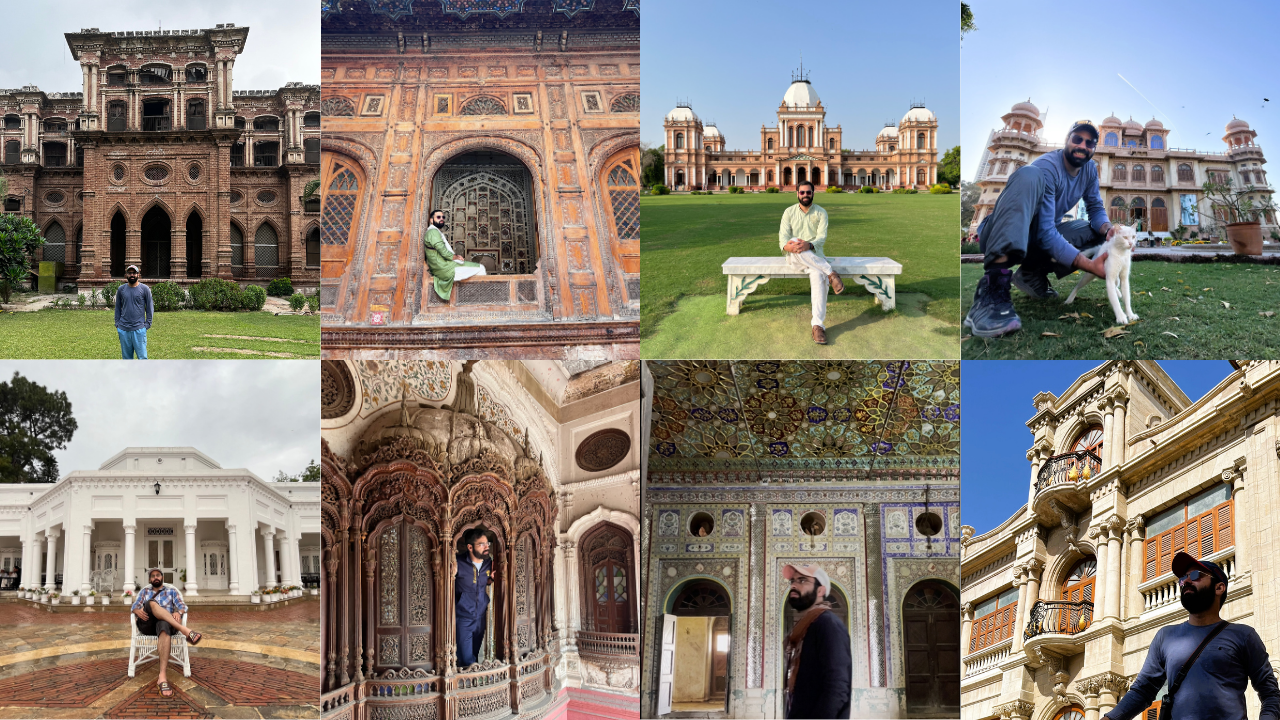
Sheikh Wali Khoti
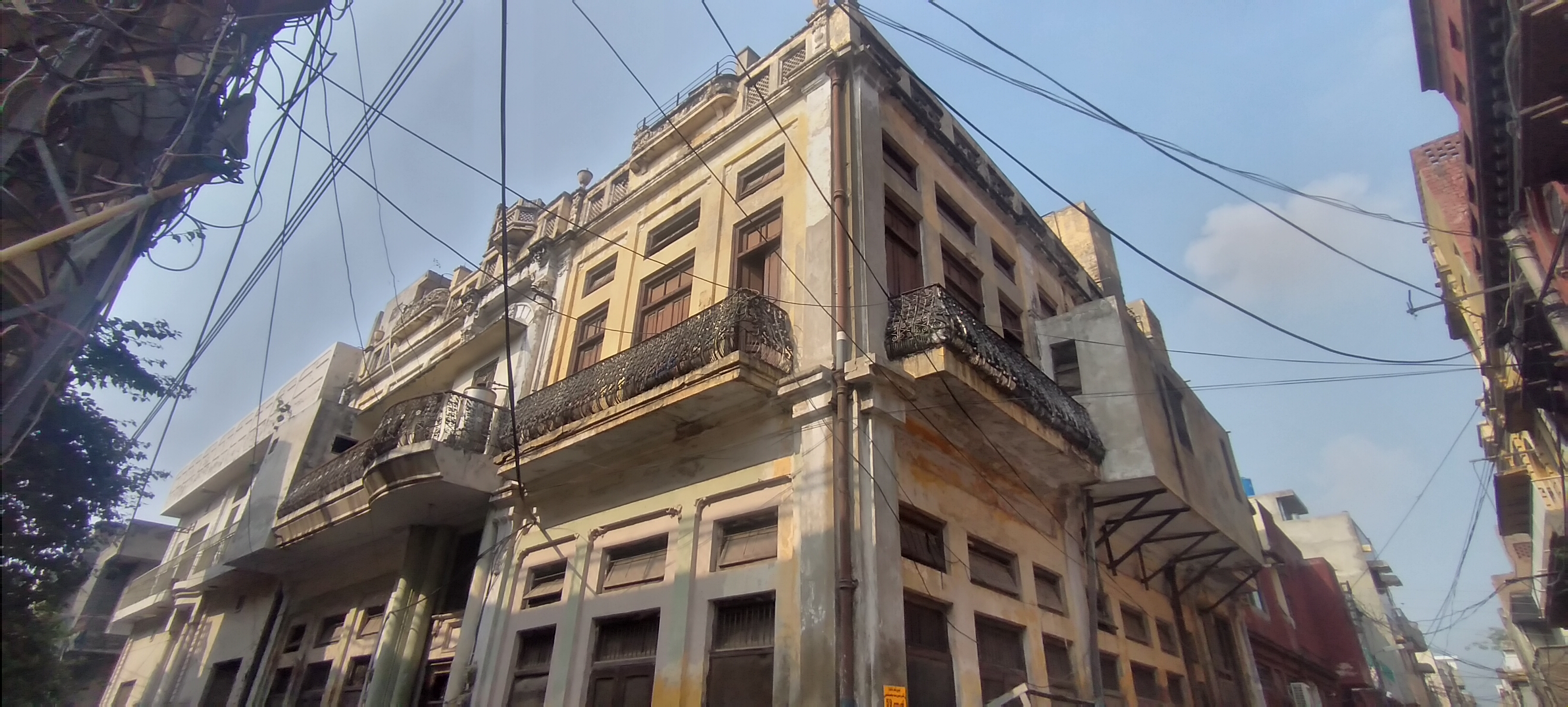
Built in 1929 by Sheikh Niaz Ahmed, this mansion rises not just as a structure but as a statement of ambition. Located in Wazirabad, it once stood as a symbol of industrial success during British India.
Its symmetry reflects order. Its scale reflects prestige. Facing the city courts, it quietly mirrors the aspirations of a rising elite. Even today, it carries the echoes of a time when wealth translated into architecture, and architecture into identity.
Watch the reel on this palace, click here
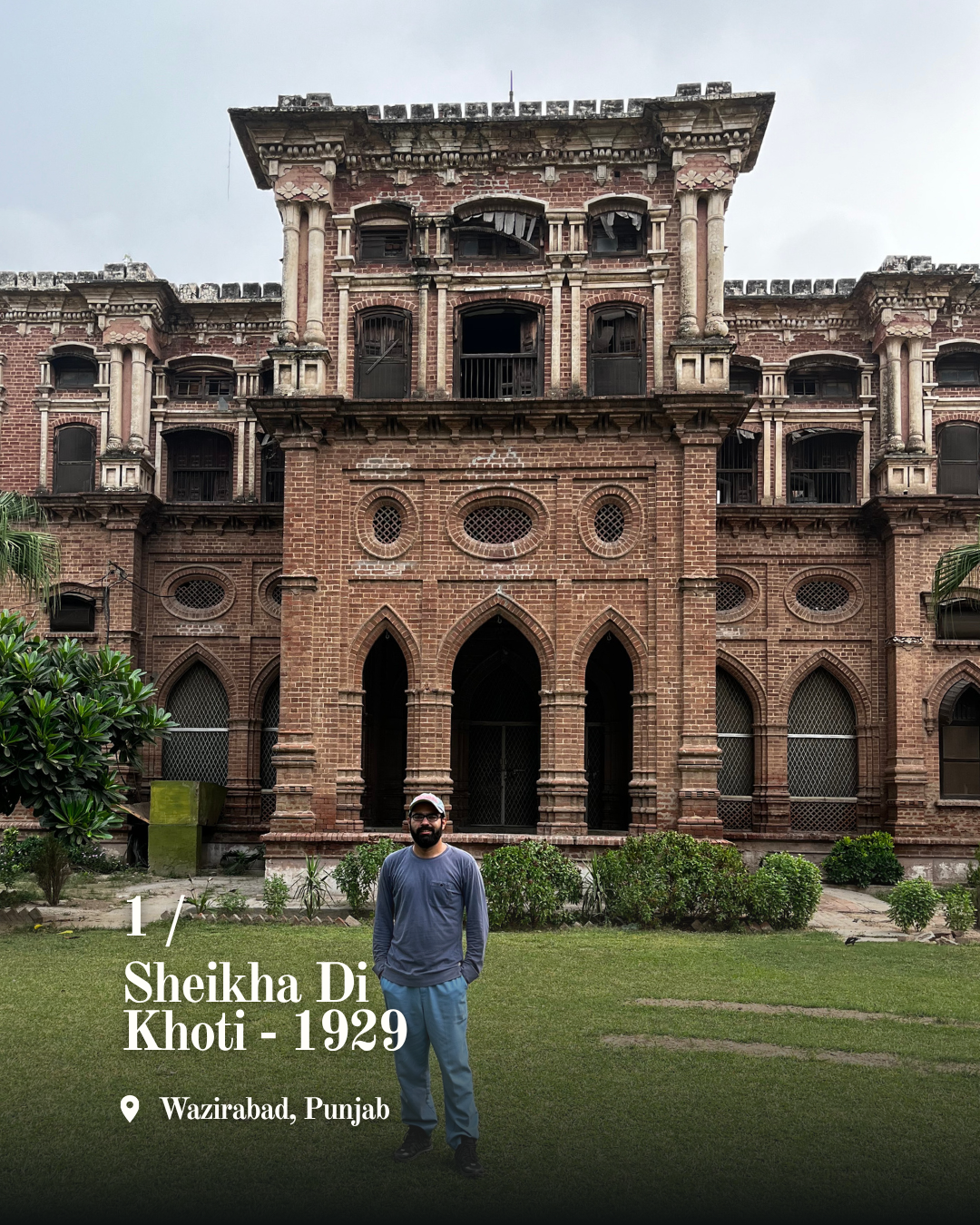
Bohar Bungalow
Set against the timeless flow of the Indus, Bohar Bungalow feels like a pause in history. Built in the 17th century, it hosted Nawabs and dignitaries, including Nawab Amir Muhammad Khan.
Here, Gothic arches meet Mughal grace and Rajput strength. Inside, Victorian furniture rests like preserved memory. The river flows as it always has, but the stories held within these walls belong to another rhythm of life, one of diplomacy, leisure, and quiet authority.
Watch the reel on this palace, click here
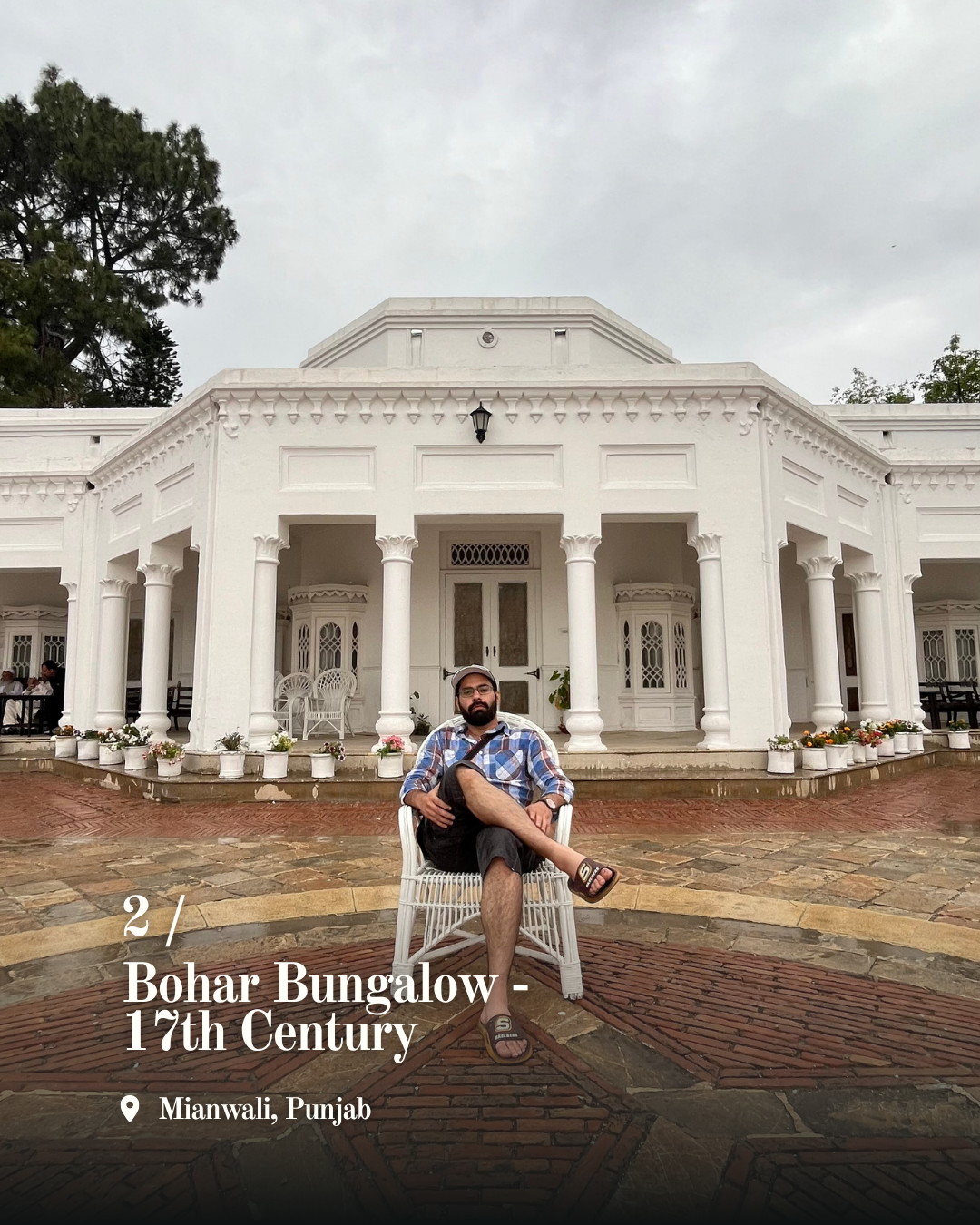
Mohatta Palace
Built in 1927 by Shivratan Mohatta, this palace was a gesture of love. Constructed for his wife, it now stands near the Arabian Sea, its pink stone glowing softly in changing light.
Today, it serves as a museum. Yet beyond exhibitions, it holds something deeper. A layered identity. A Hindu legacy woven into Karachi’s ever evolving narrative. Walking through its halls feels like stepping into a story that continues to unfold.
Watch the reel on this palace, click here
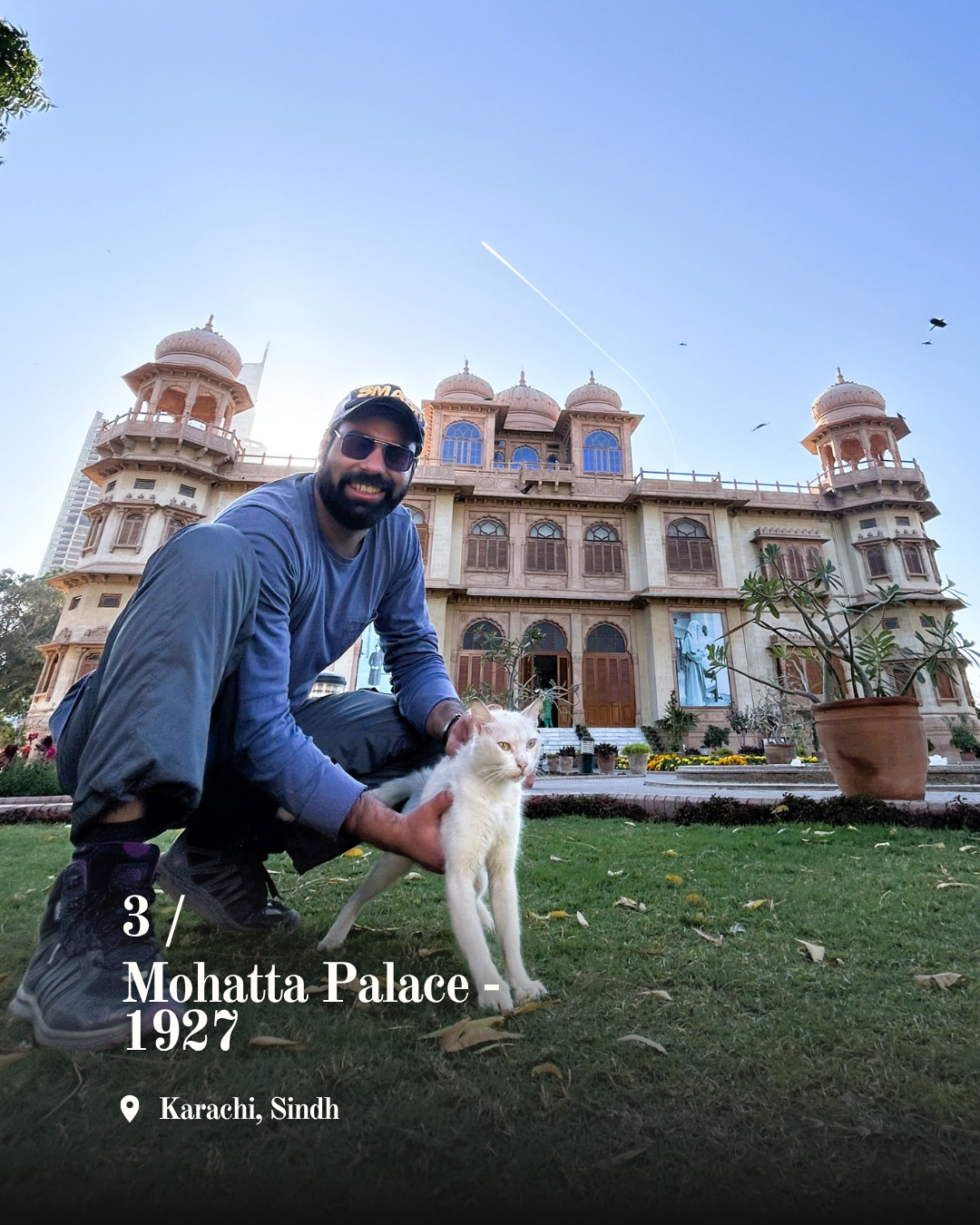
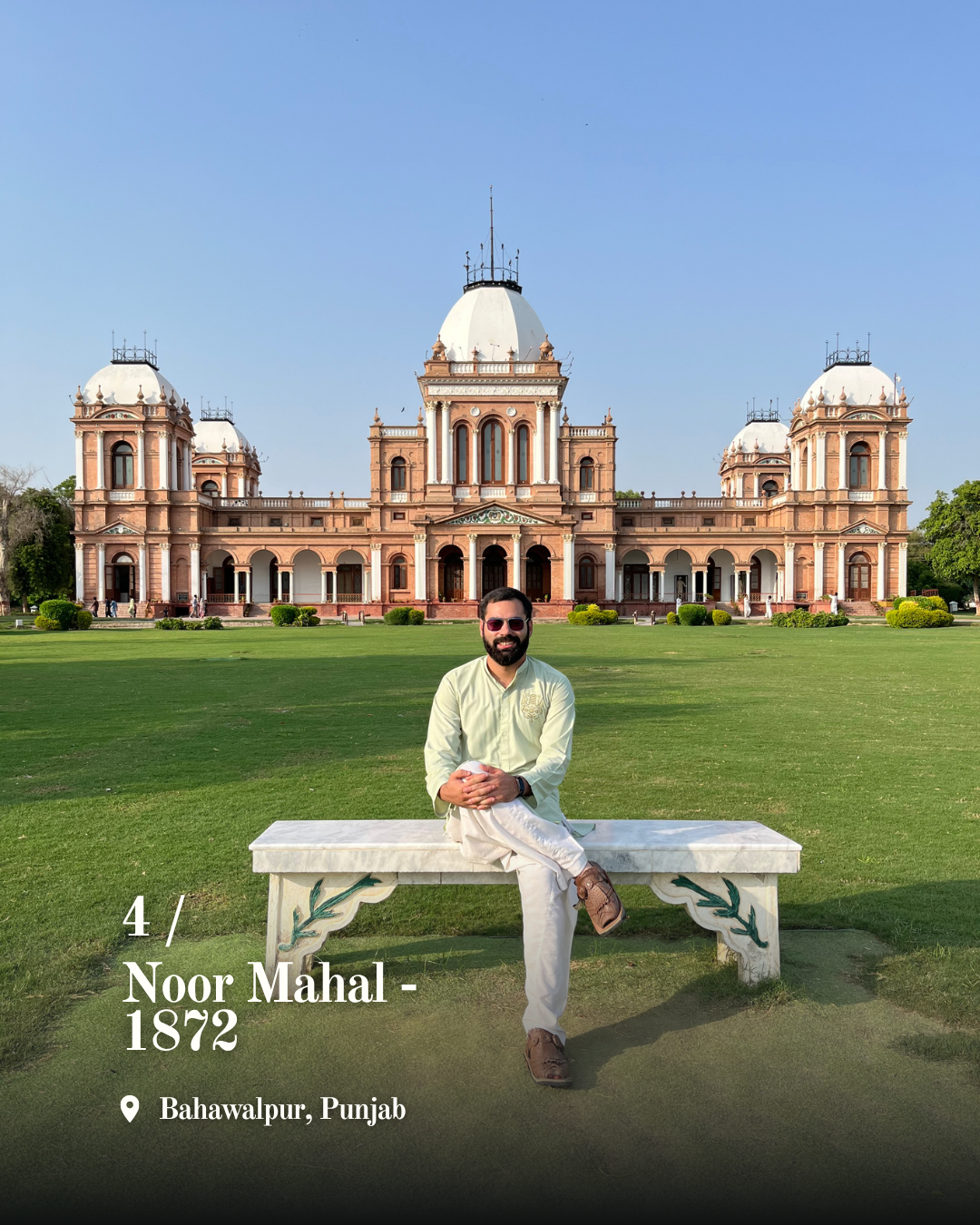
Noor Mahal
In the desert plains of Bahawalpur, Noor Mahal rises like a vision. Built in 1872, its Italian inspired architecture reflects the refined taste of princely rulers under colonial influence.
At night, when illuminated, it truly lives up to its name. A palace of light. Its halls, once filled with royal presence, now invite visitors to witness elegance shaped by both local and European influences.
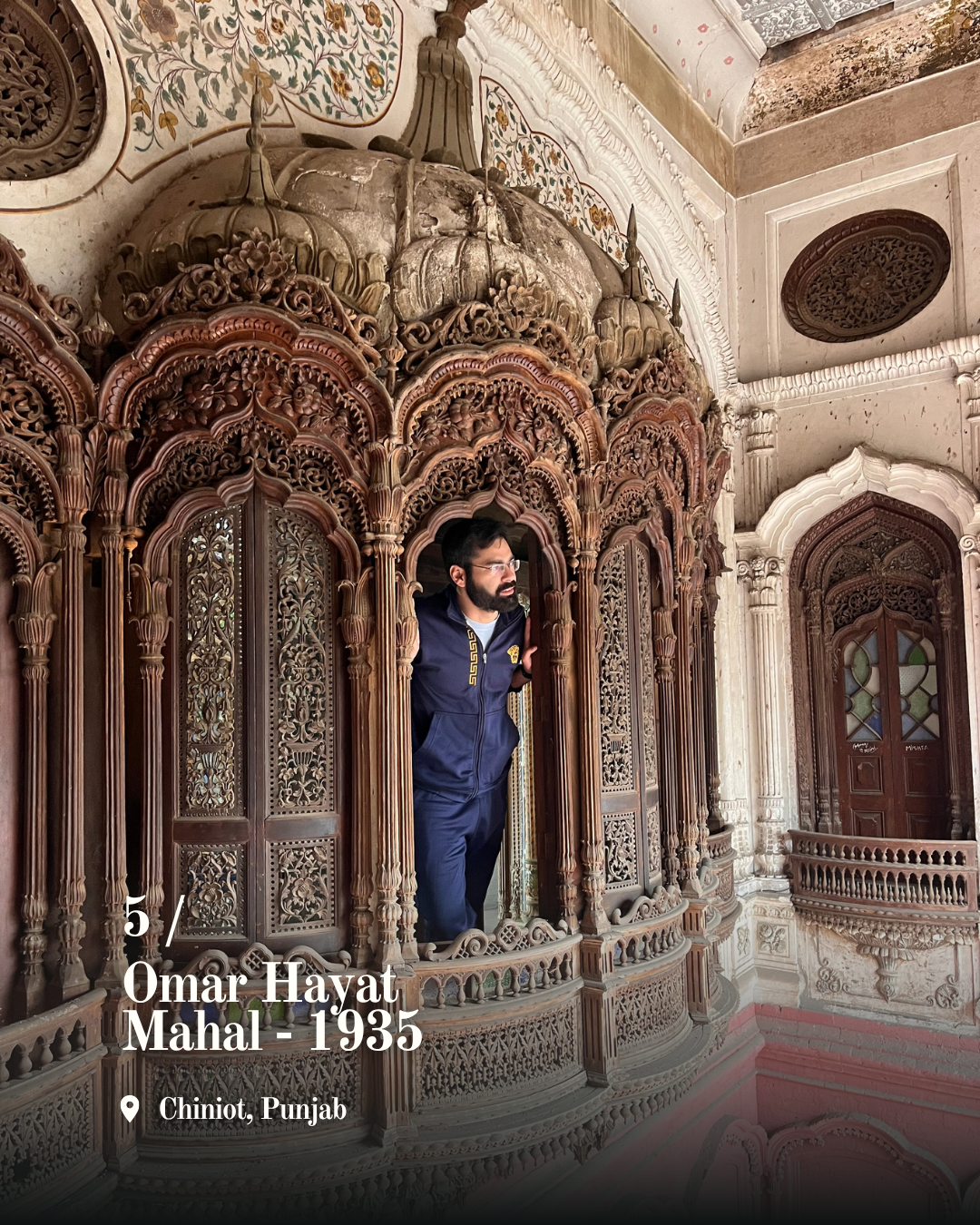
Omar Hayat Mahal
Also known as Gulzar Manzil, this palace is less about scale and more about detail. Built between 1923 and 1935 by Sheikh Omar Hayat, it showcases the mastery of Chiniot’s craftsmen.
Every surface tells a story. Painted ceilings. Carved wood. Ornamented walls. Once five storeys tall, it was not just a residence but a declaration of artistic devotion. Even in its current state, it remains a living piece of craftsmanship.
Watch the reel on this palace, click here
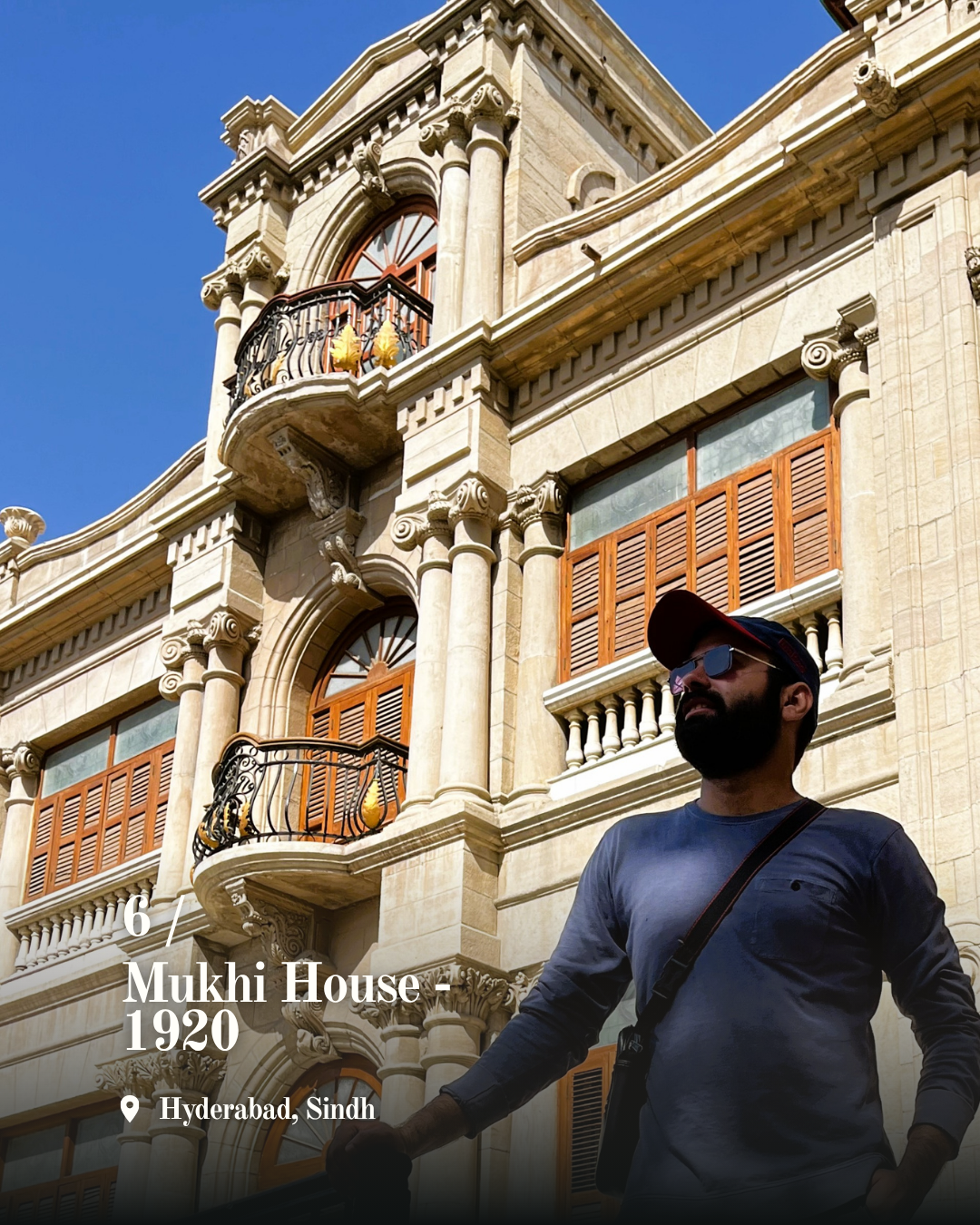
Mukhi House
Mukhi House is a story of migration, memory, and identity. Built in the 1920s, it blends European elegance with Sindhi artistry.
Now a heritage museum, it invites visitors into intimate spaces. Marble floors. Open courtyards. Preserved rooms. It feels less like a monument and more like a home that still remembers its people.
Watch the reel on this palace, click here
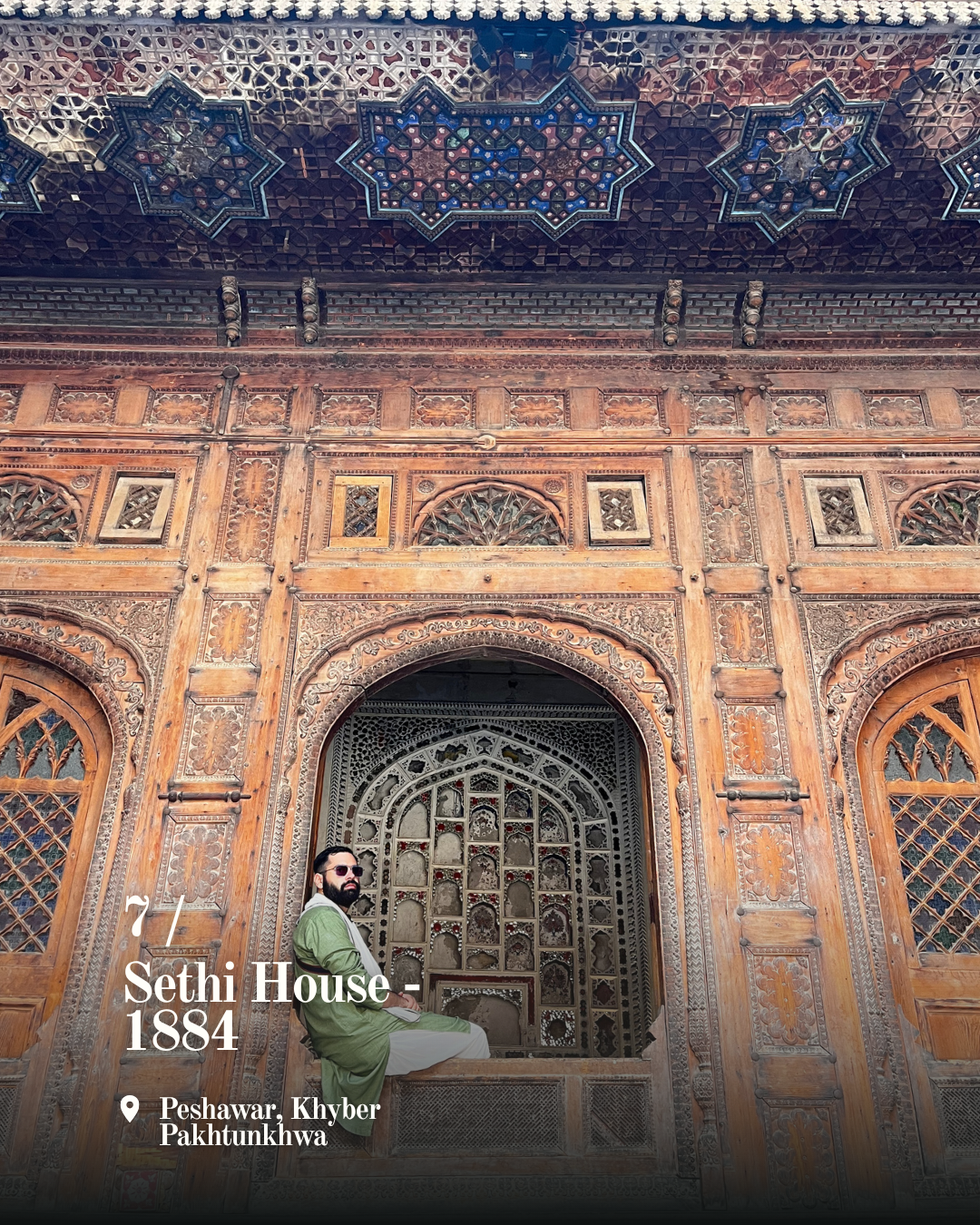
Sethi House
In the heart of Peshawar, Sethi House reflects a world shaped by trade and cultural exchange. Built in the 19th century by a wealthy Hindu Khatri family, it carries influences from Bukhara and British design.
Its natural ventilation, cool basements, and intricate woodwork reveal intelligence in design. This is architecture that breathes, that adapts, that understands climate and comfort long before modern solutions.
Watch the reel on this palace, click here
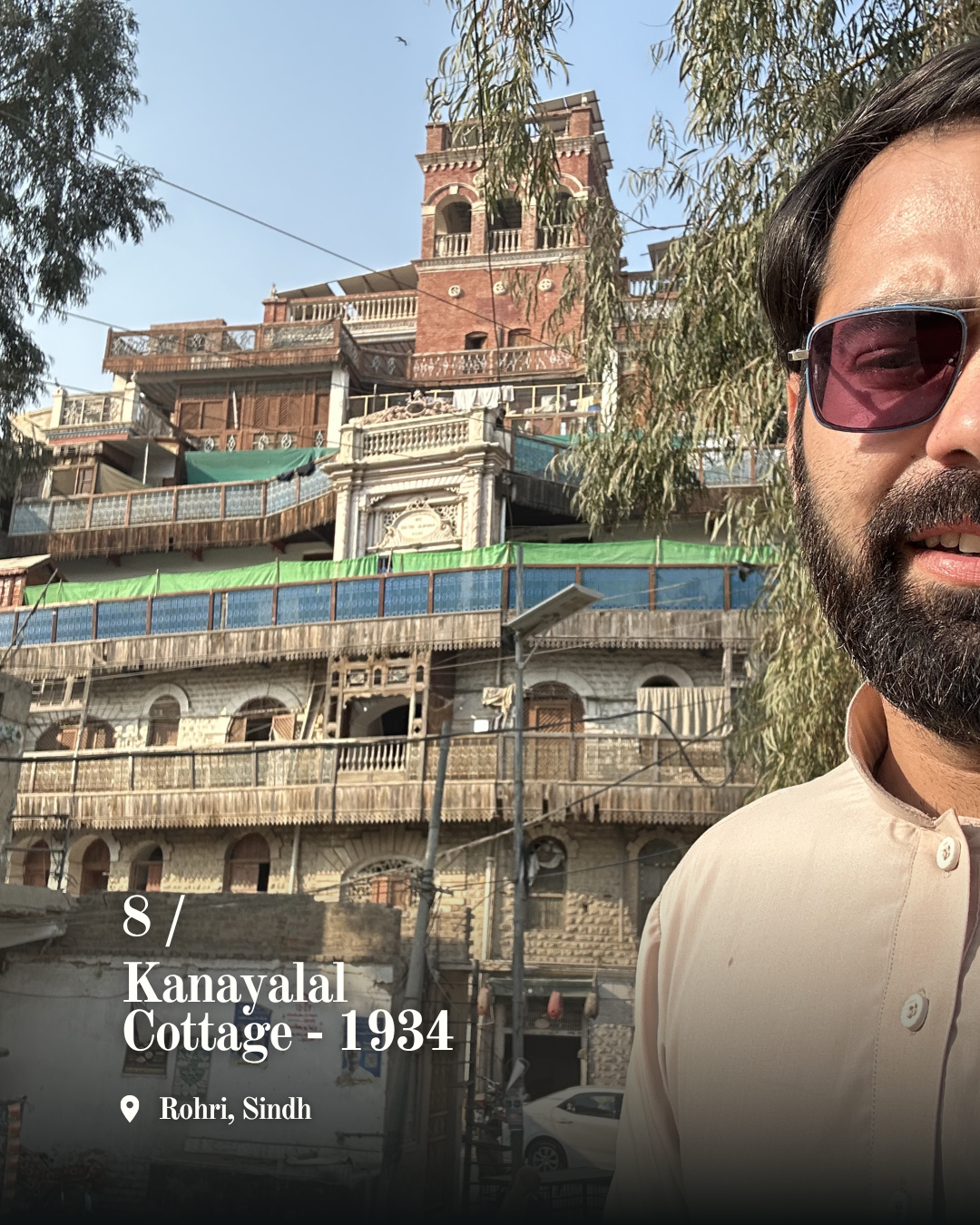
Kanayalal Cottage
A seven storey structure built between 1924 and 1934, Kanayalal Cottage stands as a quiet testament to love. Built for a daughter, it overlooks the Indus with grace.
Though abandoned after 1947, it has not lost its voice. Its balconies still open to the river. Its walls still hold stories of care, of family, of moments now lost to time.
Watch the reel on this palace, click here
Sheesh Mahal Kot Diji
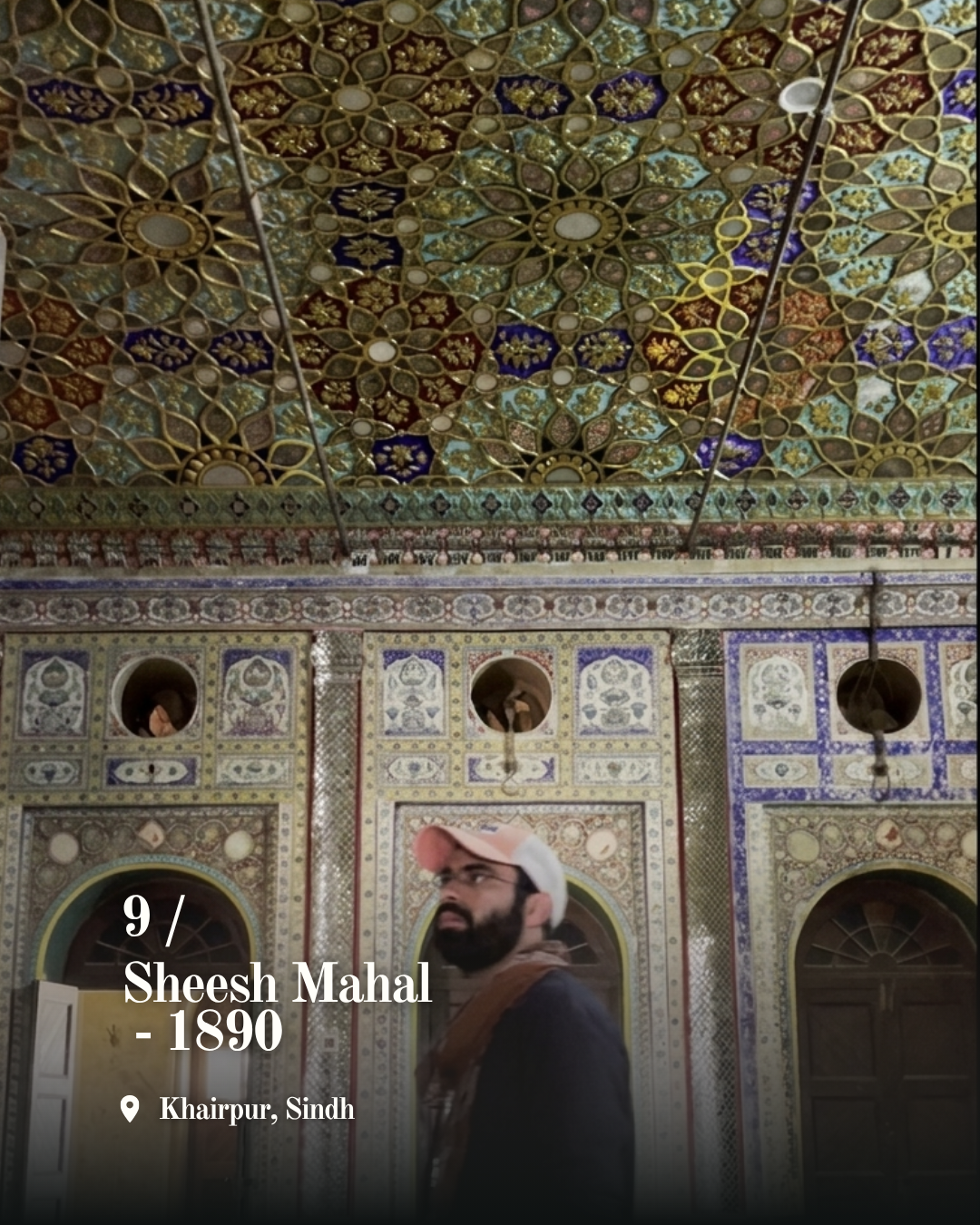
Built in 1890 by Mir Faiaz Muhammad Khan Talpur I, this palace is a celebration of light and craft. Its mirror work reflects not just illumination but artistry.
Corridors shimmer. Ceilings glow. Woodwork frames every detail. It is not merely a palace. It is an experience of color, reflection, and refined vision.
Watch the reel on this palace, click here
Why These Historic Palaces Matter
The historic palaces in Pakistan are more than destinations. They are narratives carved into space. They reveal how people lived, what they valued, how they expressed power, love, and identity.
In a rapidly changing world, these places anchor us. They remind us that heritage is not static. It is lived, felt, and carried forward.
8 Stunning Clock Towers in Pakistan You Must Visit for Timeless Heritage
Hidden Baolis of Punjab Pakistan: A Journey Beneath Time
Hindu Temples in Pakistan: The Forgotten Story of Tomri Sahib Mandir, Gujranwala
Mughalpura Railway Station Lahore: A Forgotten Chapter of Industry and Partition
Baolis in Lahore: A Forgotten Mughal Stepwell Near Manga Mandi
Experience Them, Do Not Just Read Them
Words can only take you so far. These palaces must be walked, touched, and experienced. The silence within them speaks louder than any description.
If you wish to explore these sites with historical context, storytelling, and on ground insights, join a guided journey with an archaeologist.
Step into history with purpose.
Plan your heritage tour.
Walk through these palaces, not as a visitor, but as a listener of stories.
Explore with Saad Zahid at https://saadzahid.co and rediscover Pakistan, one forgotten corridor at a time.