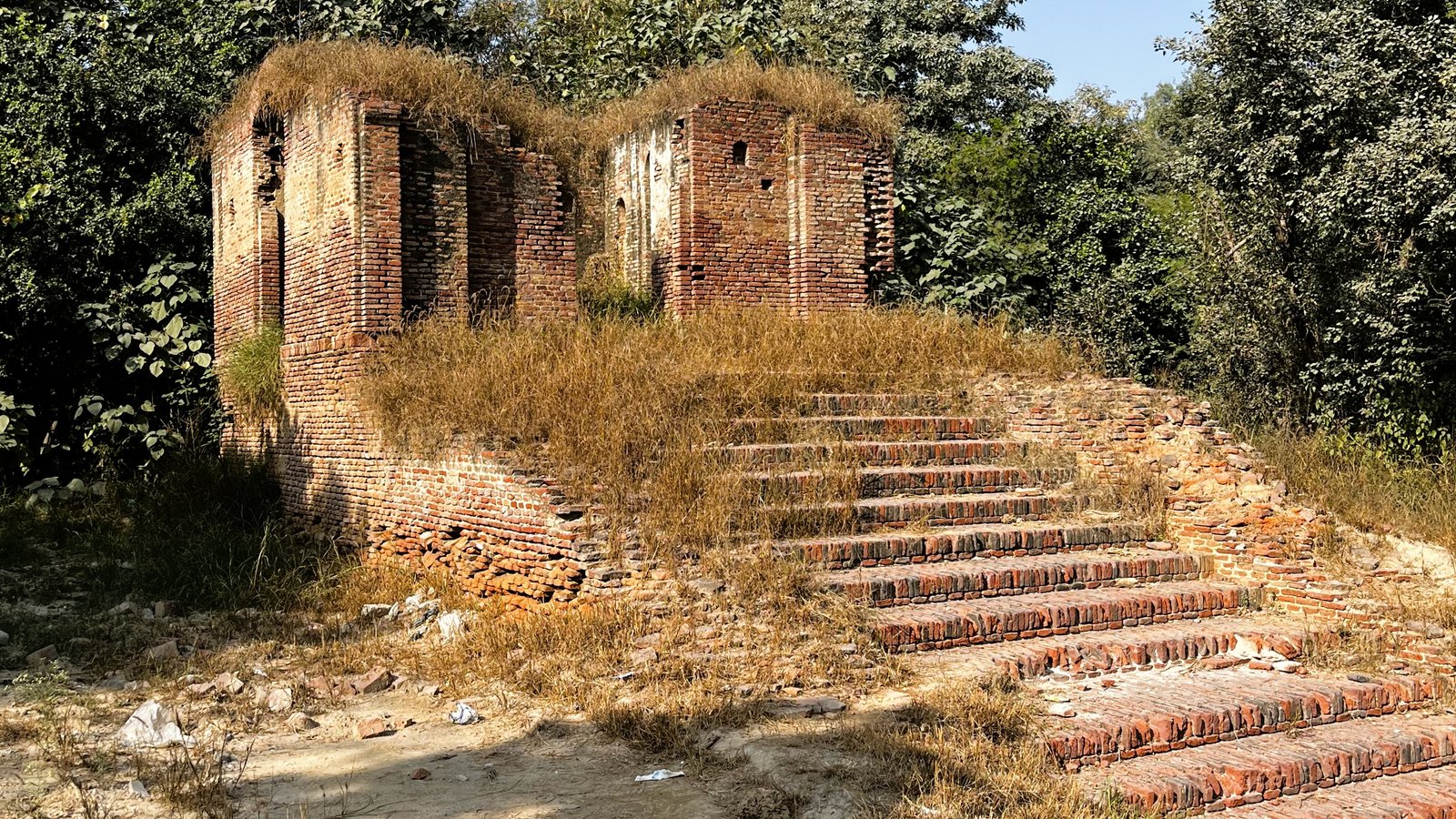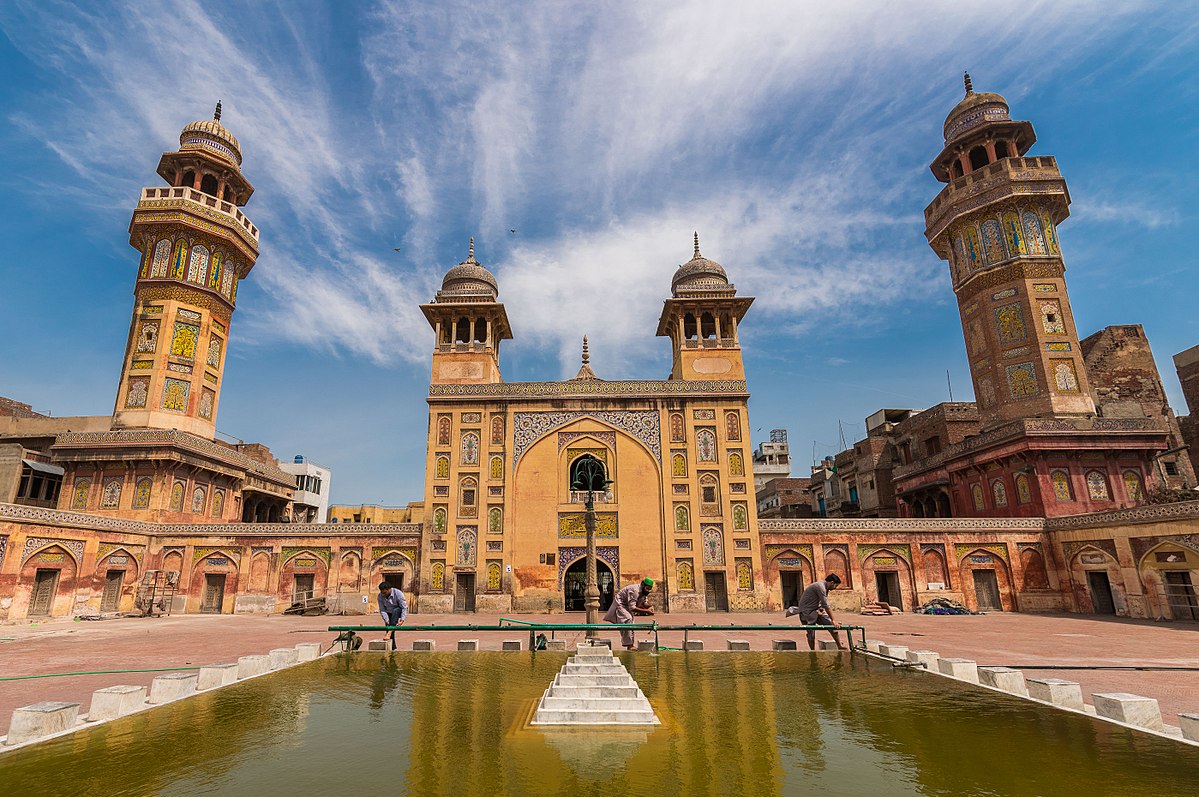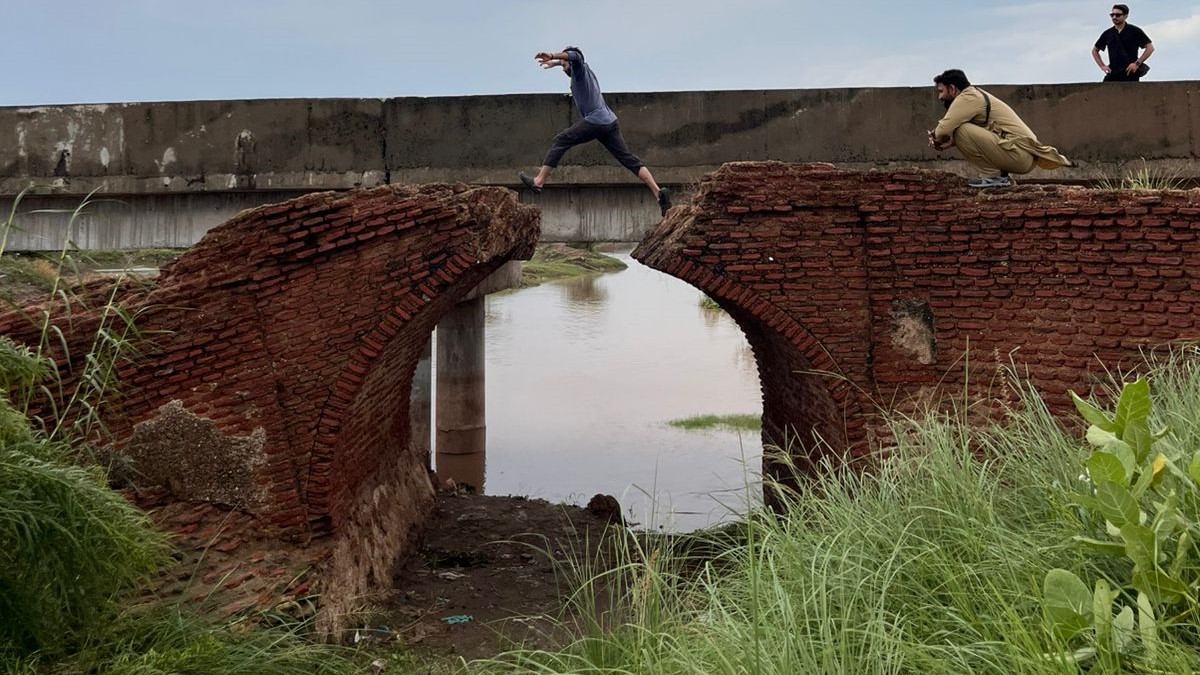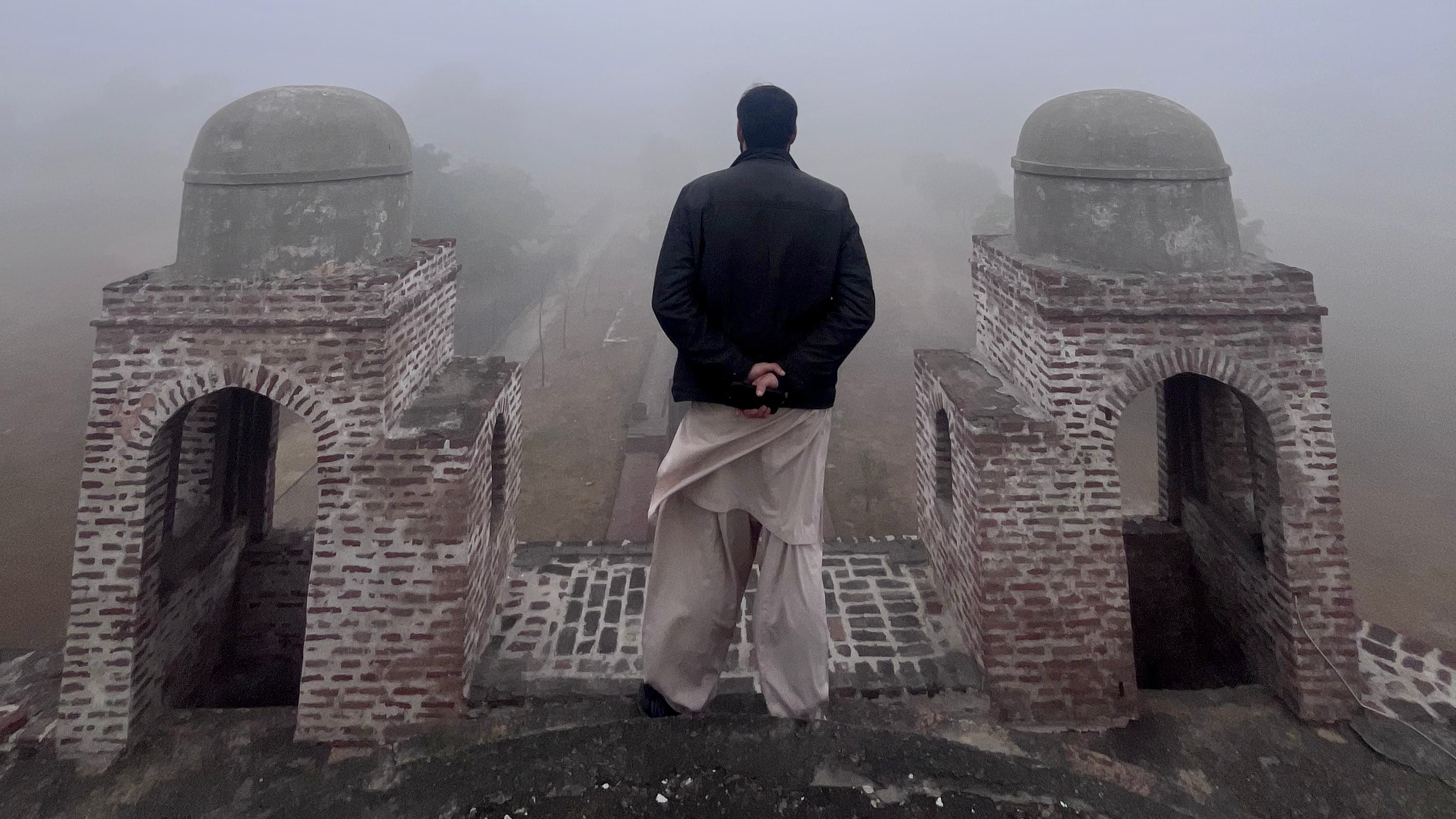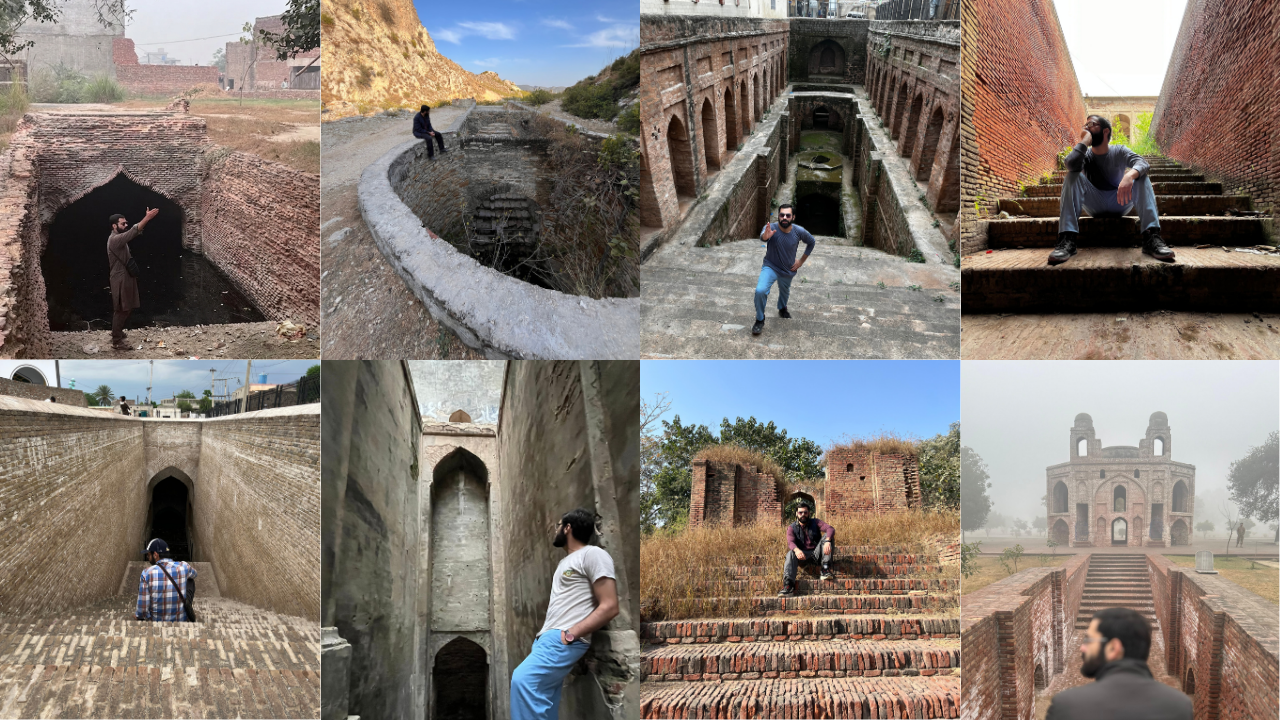
Hidden within the layered landscape of Punjab, beneath streets, fields, and forgotten paths, lie the hidden baolis of Punjab Pakistan. These ancient stepwells are not merely structures of water. They are quiet archives of human movement, survival, and artistry. As you descend their worn steps, each level reveals a story shaped by time, devotion, and human need.
Punjab, often celebrated for its vibrant cities, also shelters these overlooked marvels. Built during the Mughal and early medieval periods, baolis served travelers, traders, and entire communities. Today, many remain hidden, waiting to be rediscovered.
What Are Baolis and Why Do They Matter
Baolis, or stepwells, are architectural responses to water scarcity and climate. Designed with descending steps, they ensured access to water throughout the year. More than functional spaces, they became resting points along historic routes, offering shade, relief, and connection.
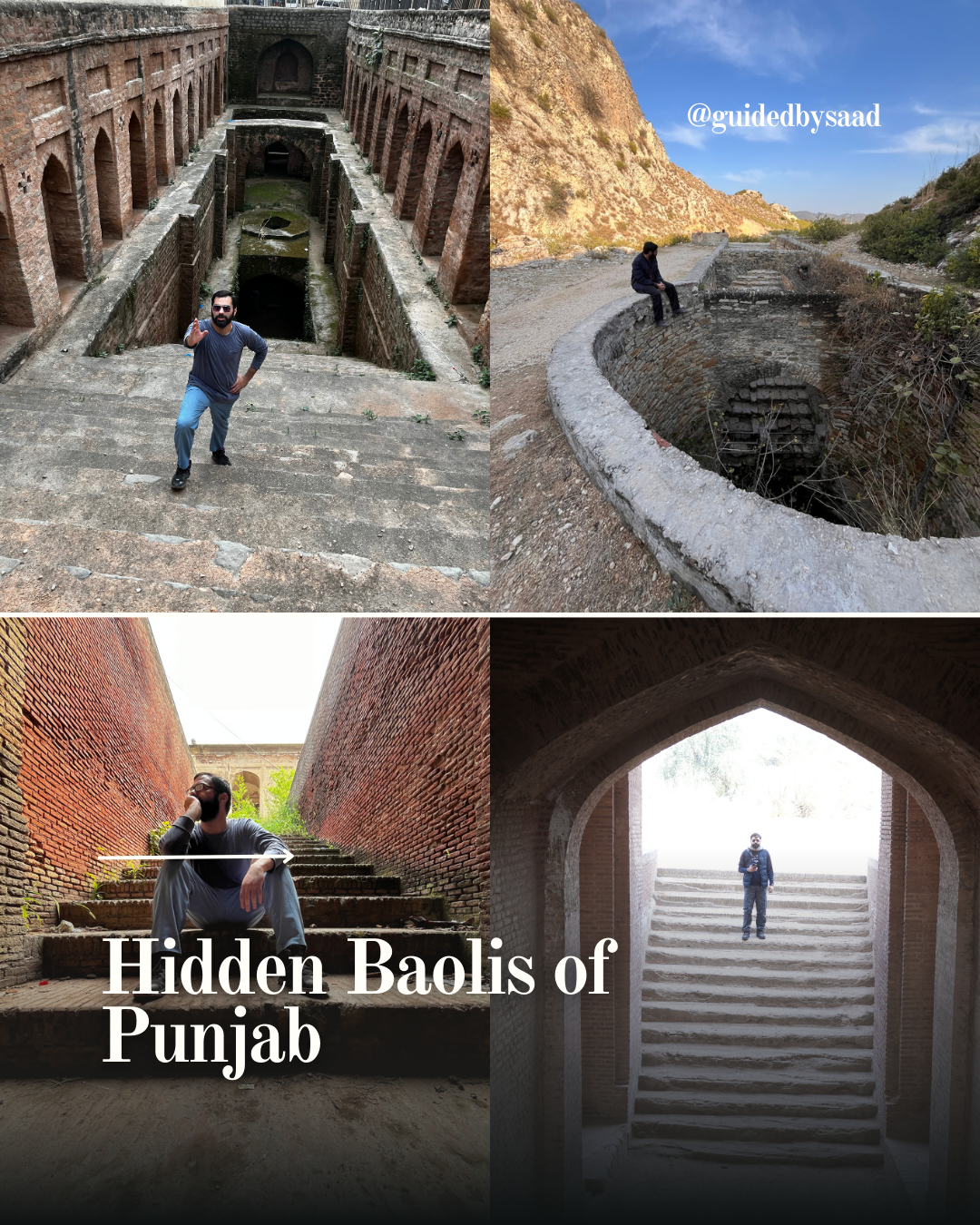
Kharian Baoli
Located in District Gujrat, the baoli of Kharian rests quietly within a busy urban setting. Built during the Mughal era, it once served travelers moving along the Grand Trunk Road. Its deep stairways lead into cool chambers below ground, offering a striking contrast to the heat above.
Recently restored, this baoli now reflects the elegance of Mughal craftsmanship. Its structure echoes the refined geometry and balance seen in stepwells of Delhi, reminding us of a shared architectural language across regions.
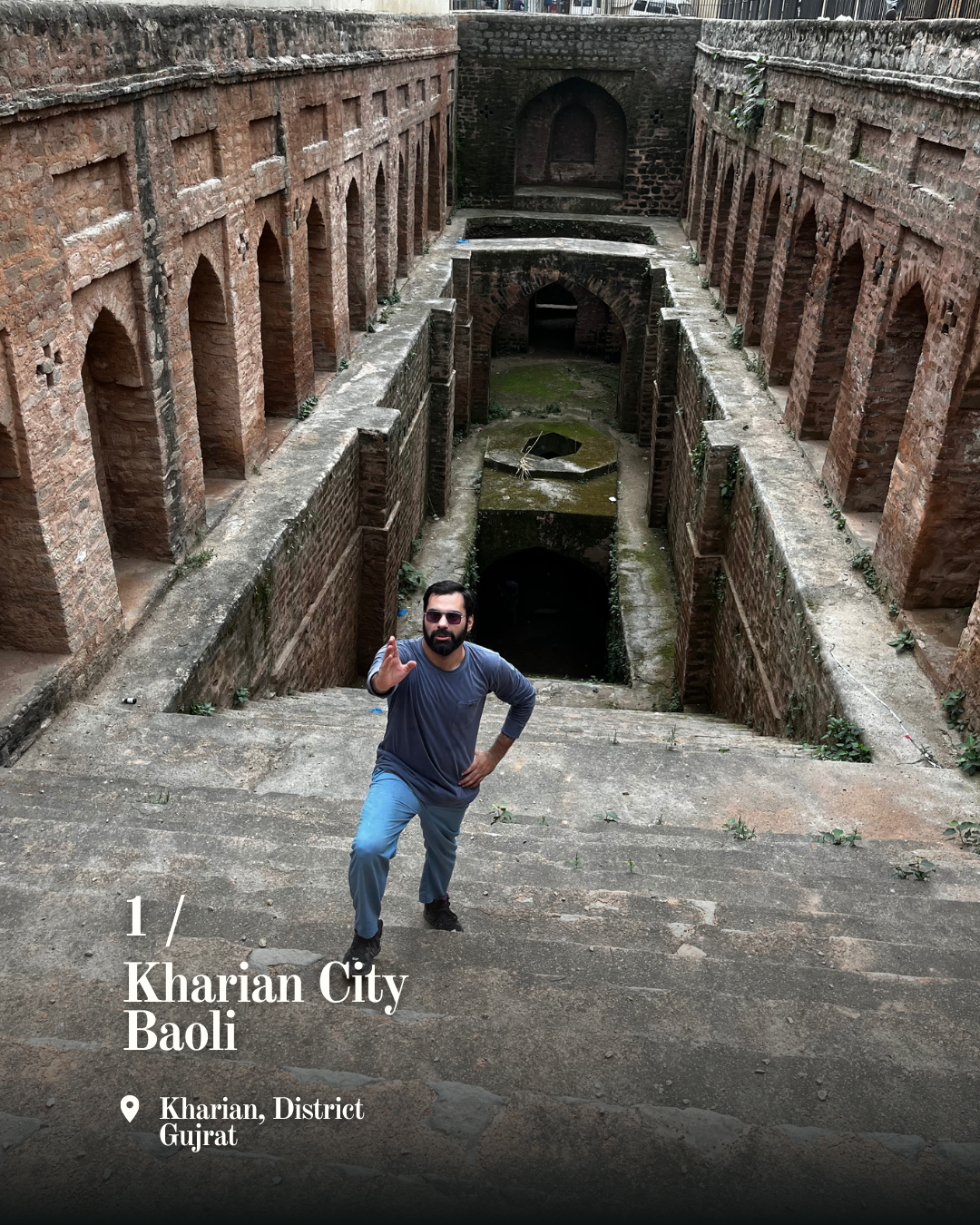
Tarap Village Baoli
In the quiet surroundings of District Attock lies the baoli of Tarap Village. Surrounded by rural landscapes, it stands as a silent witness to centuries of use and abandonment.
Though not widely documented, its design reflects traditional stepwell construction of northern Punjab. Weathered stones and descending stairs hint at a time when such structures were essential for survival, offering water to travelers and nearby settlements.
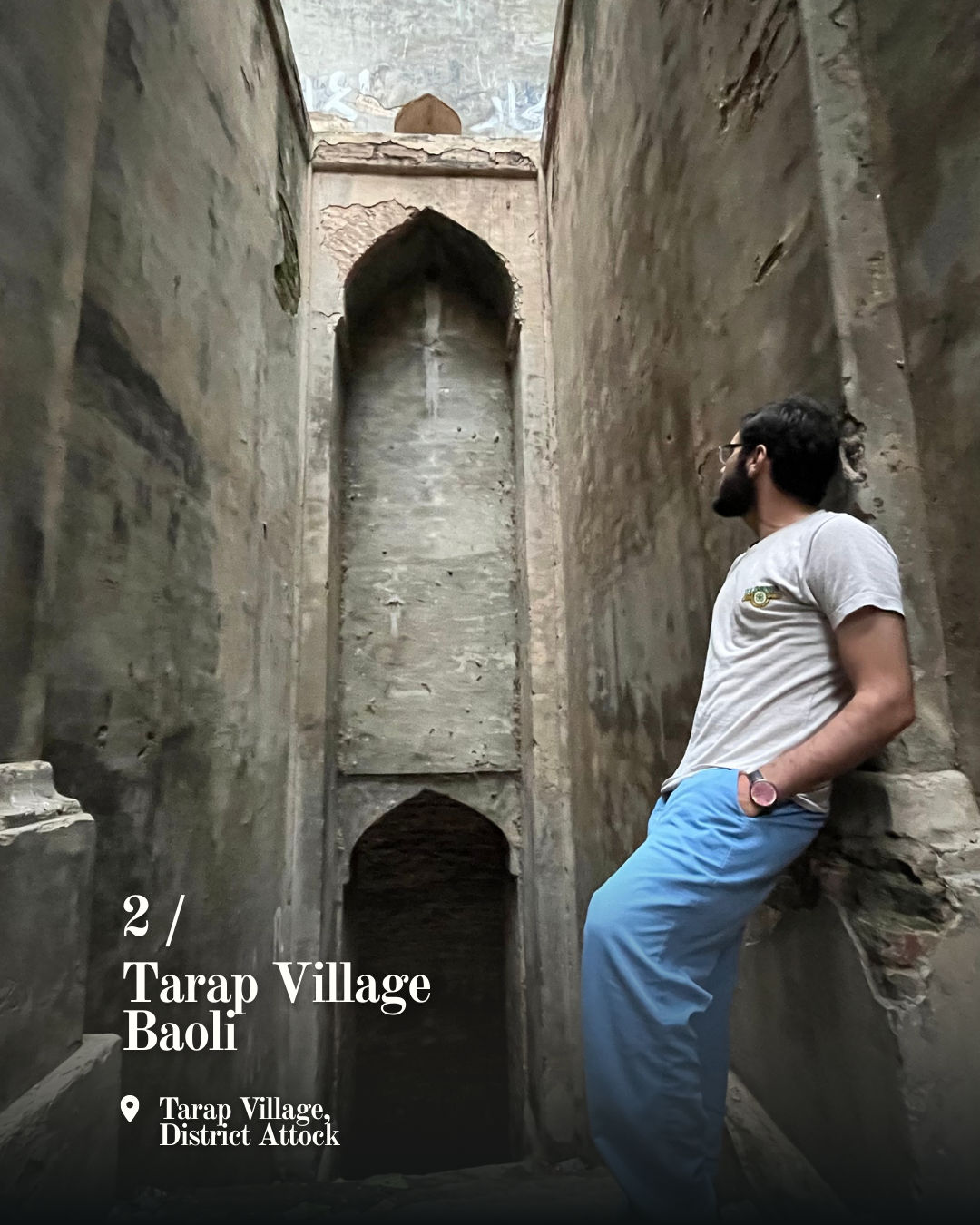
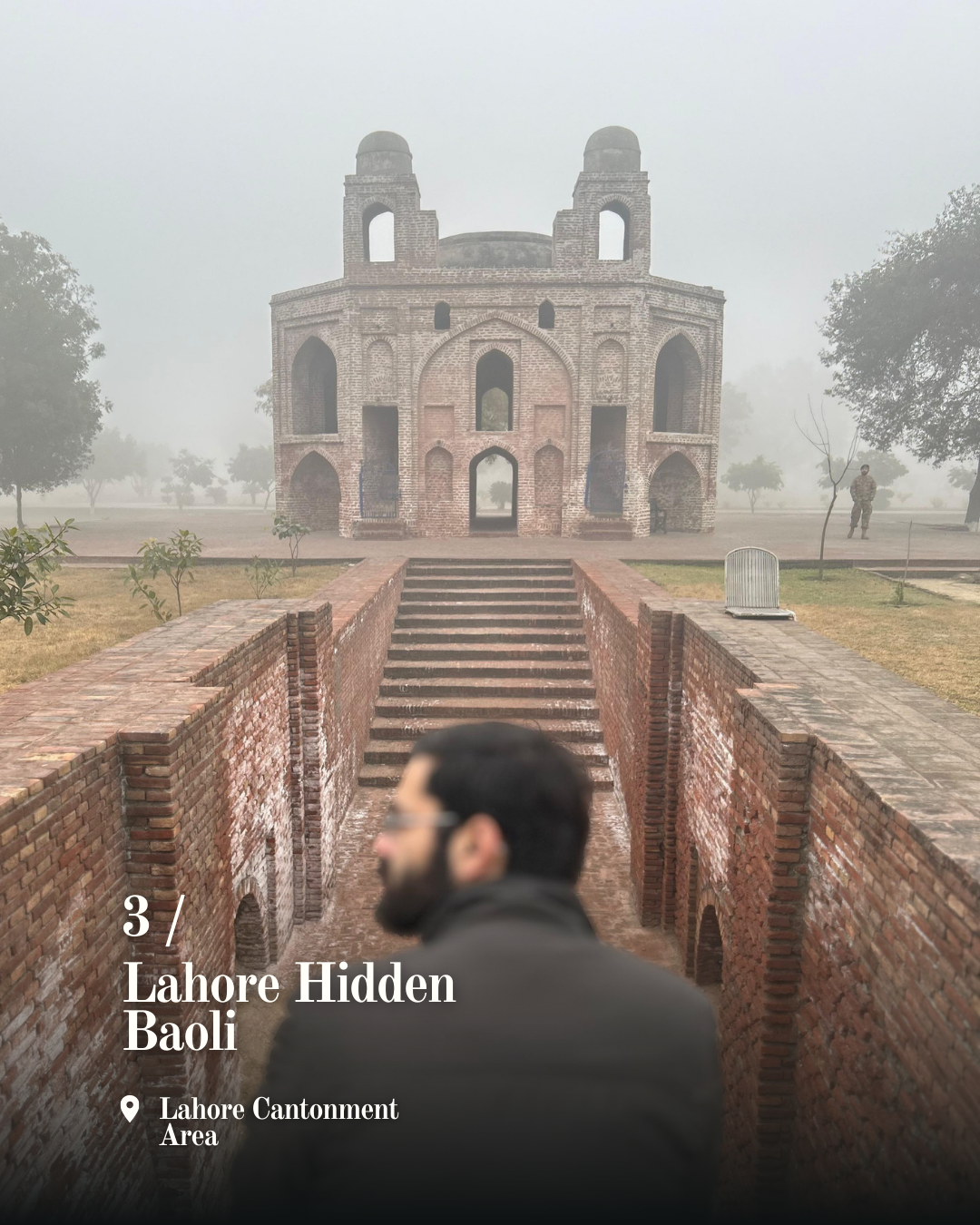
Lahore Hidden Baoli (Mahfooz Shaheed Garrison)
Hidden within a restricted military zone in Lahore Cantonment, this baoli remains largely unseen. Once part of an active travel route, it served those moving across the region, offering rest and water in a demanding landscape.
Its presence reveals how baolis once formed a network of support across Punjab. Even in its obscurity, it continues to represent the thoughtful planning of earlier times.
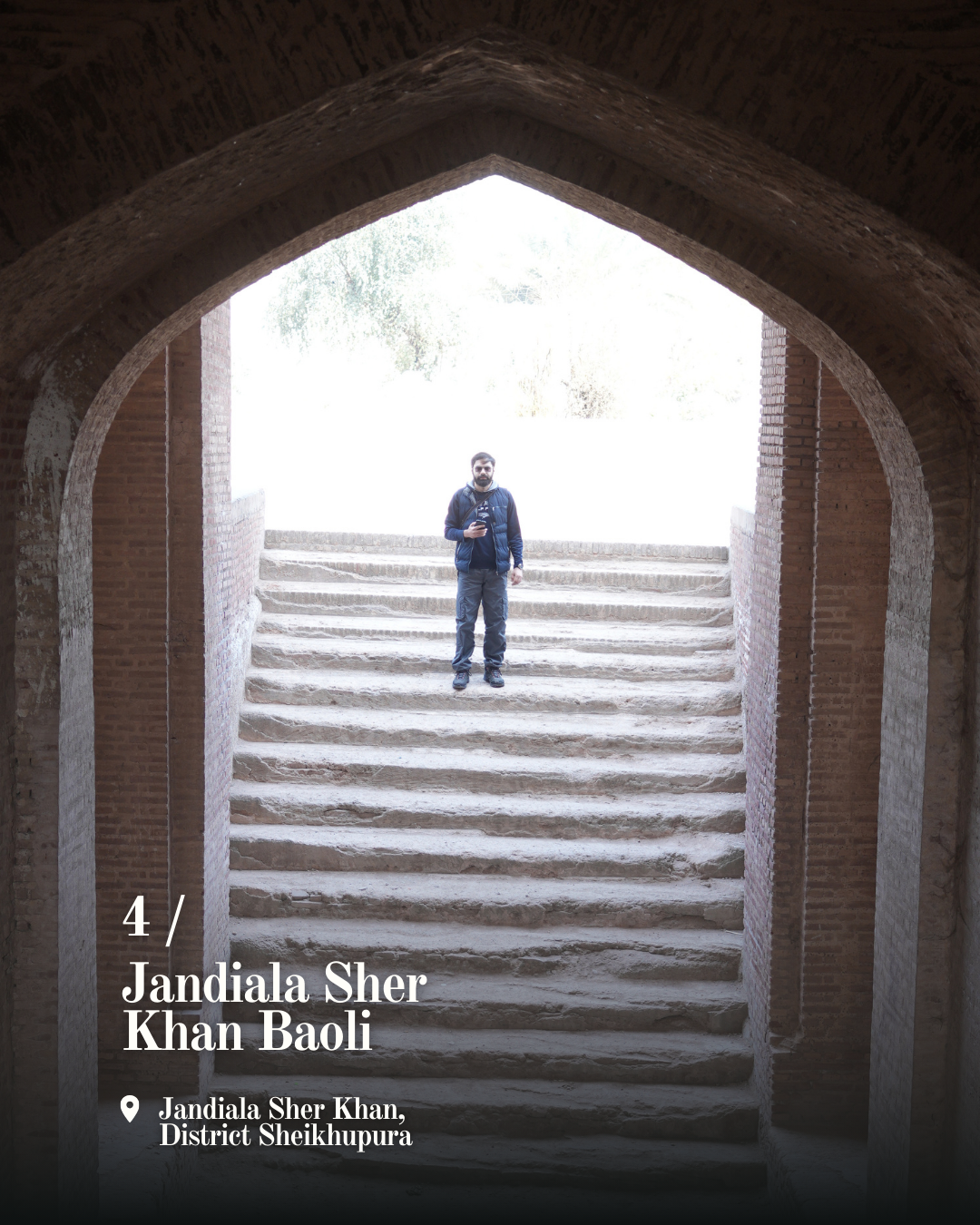
Jandiala Sher Khan Baoli
Near the shrine of the great Punjabi poet Waris Shah stands one of the most impressive baolis of Punjab. Built during the reign of Emperor Akbar by Sher Khan, this structure reflects a vision of public welfare combined with architectural beauty.
Elegant arches frame its descending steps, creating a rhythm of light and shadow. This baoli is not just a water source but a monument of cultural and historical significance.
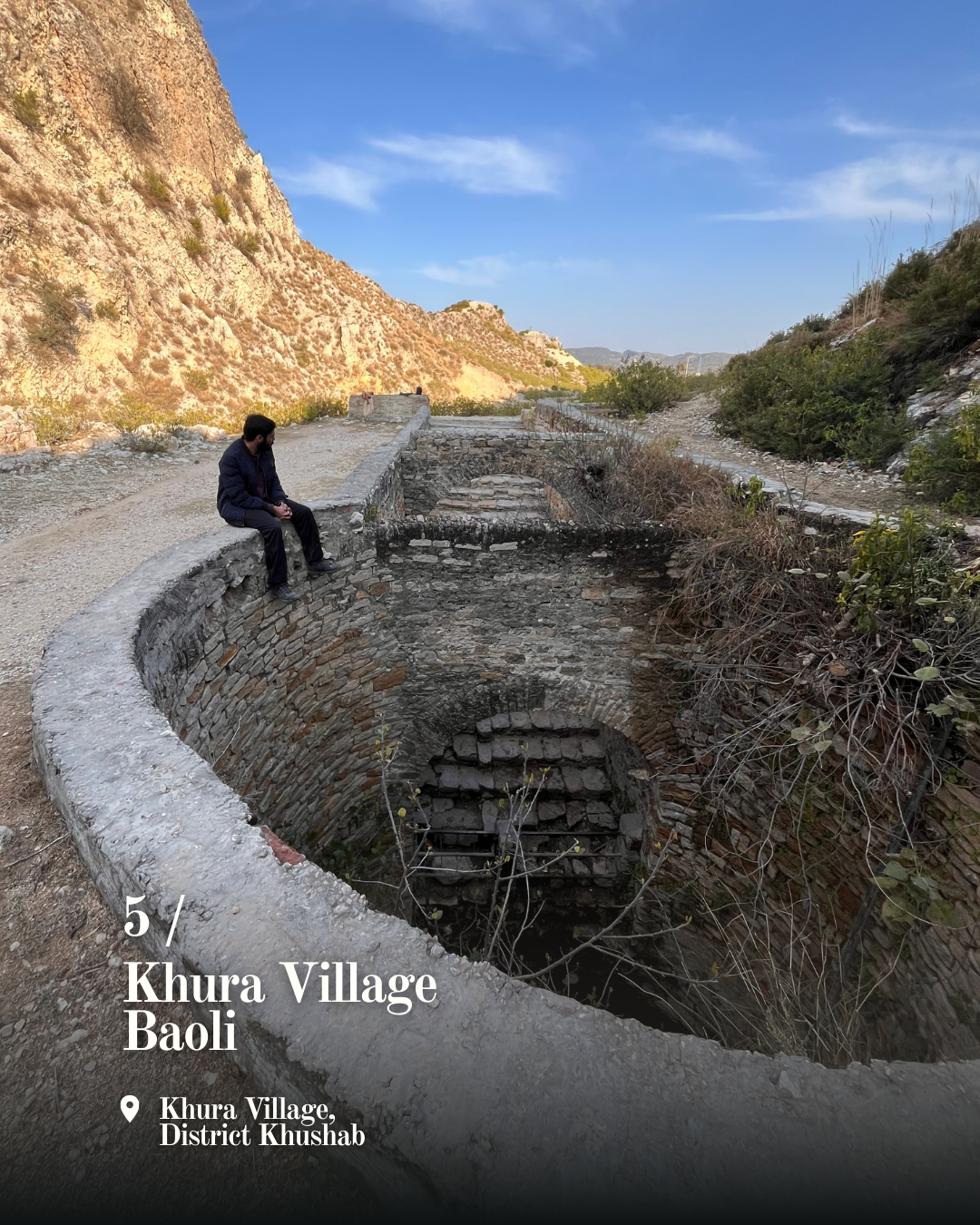
Khura Village Baoli (Soon Valley)
Nestled within the hills of Soon Valley in District Khushab, this baoli offers a dramatic encounter with landscape and history. Built during the time of Sher Shah Suri, it uses local stone and lime mortar, blending seamlessly with its surroundings.
Its twenty descending steps lead to a deep reservoir. The presence of arches suggests that it may once have been covered, providing shelter along with water. It stands as both a functional structure and an architectural marvel.
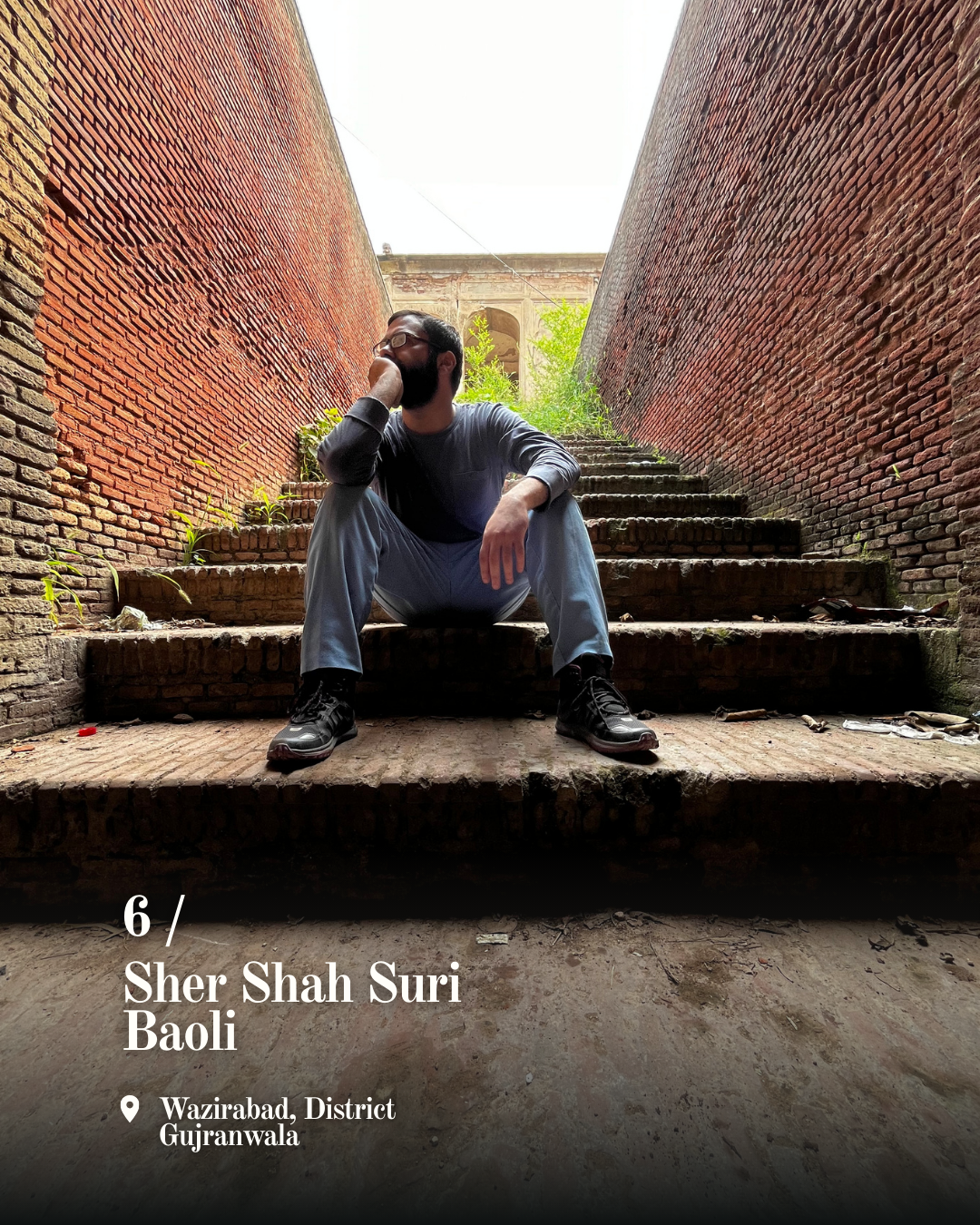
Sher Shah Suri Baoli of Wazirabad
Situated near the Chenab River along the historic Grand Trunk Road, this baoli dates back to the reign of Sher Shah Suri between 1540 and 1545.
It served caravans, traders, and merchants traveling along one of South Asia’s most important routes. This baoli reflects a broader vision of infrastructure, where rulers invested in facilities that supported movement, trade, and communication.
Its story connects deeply with Grand Trunk Road Heritage Sites Pakistan.
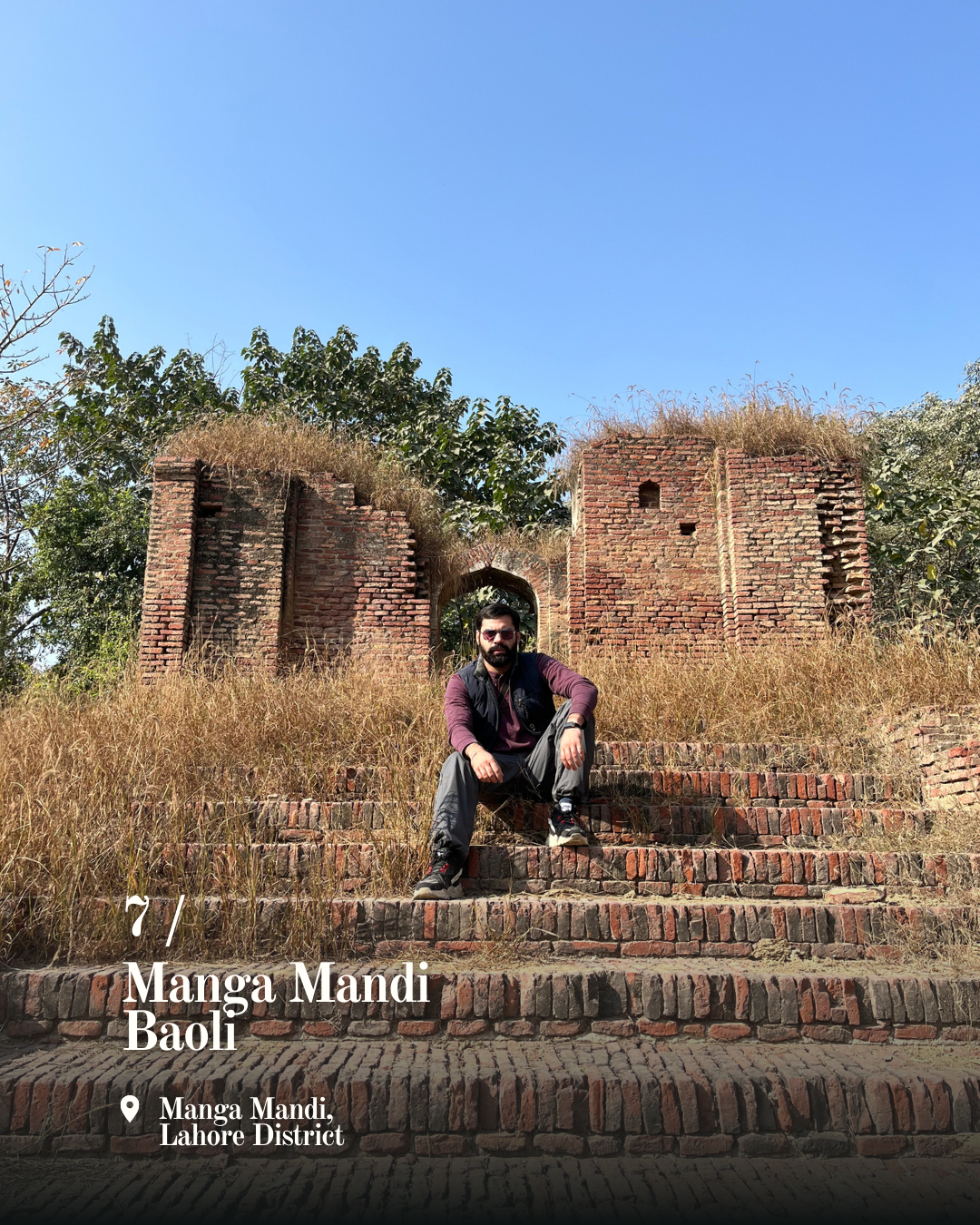
Manga Mandi Baoli
Located near Manga Mandi in Lahore District, this baoli lies within the grounds of an educational institution today. Built during the later Mughal period, it once stood along an active caravan route.
It provided water to travelers, animals, and traders, sustaining life along the journey. Its structure reflects the Mughal approach of combining practicality with grace, where even utilitarian spaces were designed with care.
Wan Bhachran Baoli
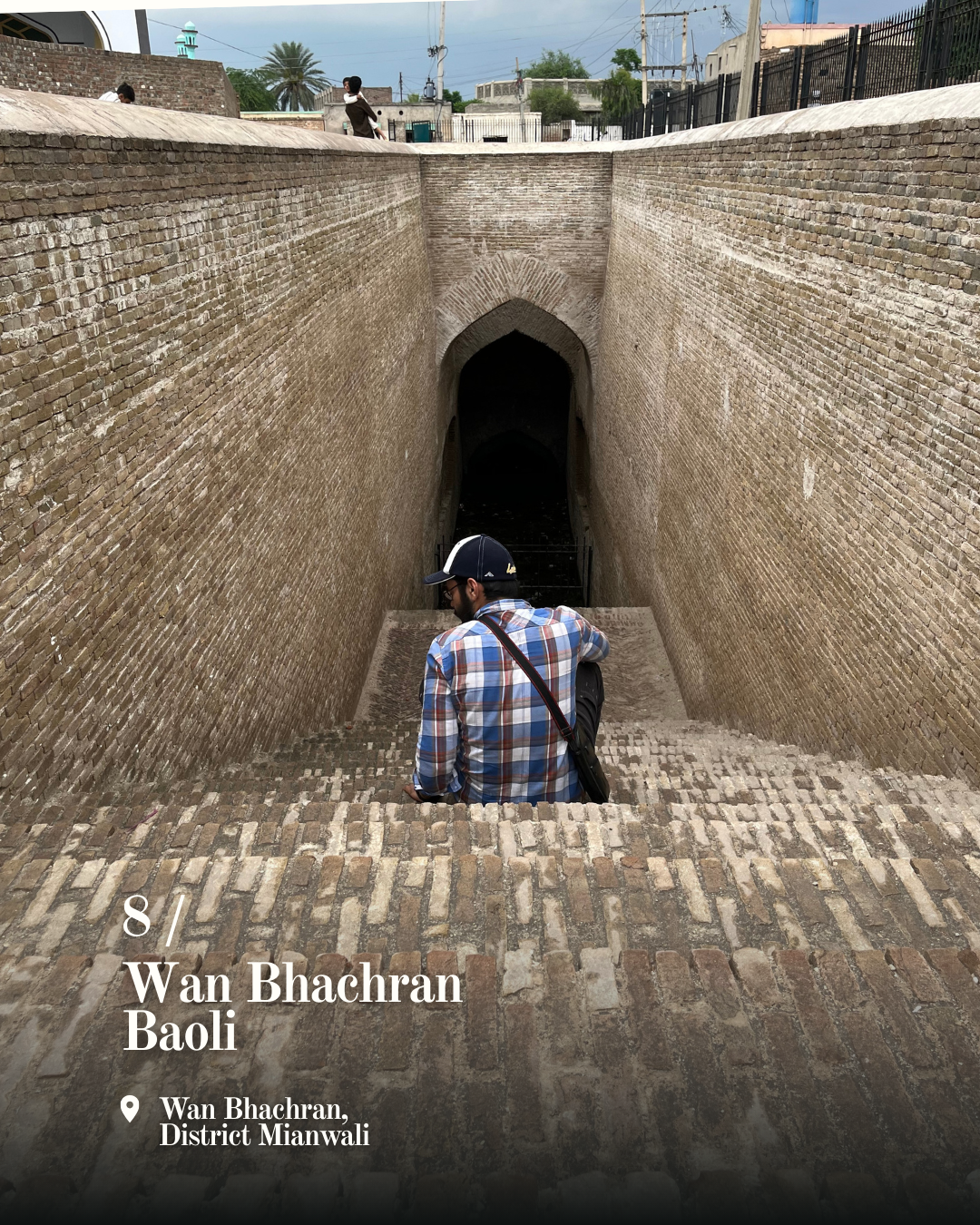
Hidden within the landscapes of District Mianwali, near the Salt Range, the baoli of Wan Bhachran dates to the sixteenth century. Built during the time of Sher Shah Suri, it served soldiers, travelers, and caravans crossing difficult terrain.
It is said that even elephants once drank from its waters, highlighting its scale and importance. Today, it remains a quiet yet powerful reminder of movement across rugged landscapes.
Brahmanabad Baoli
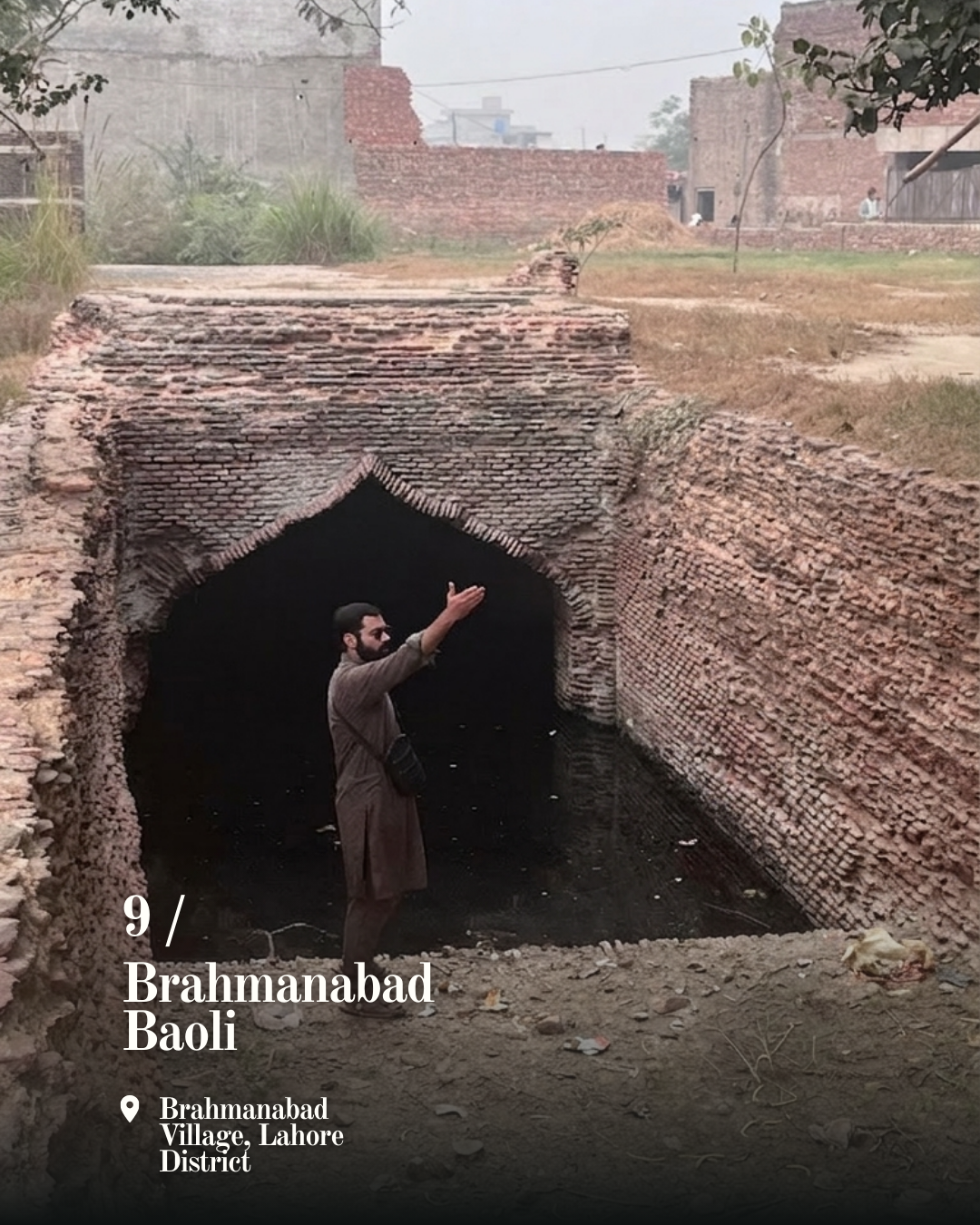
In the village of Brahmanabad near Lahore, another baoli stands as a subtle marker of Mughal infrastructure. It was once part of a network that ensured water availability across settlements and routes.
Though less grand in appearance, its significance lies in its role within a larger system. It represents the everyday genius of planning that sustained life across regions.
The Experience of Descent
To step into a baoli is to move against the direction of most monuments. Instead of rising upward, you descend into the earth. The air cools, the light softens, and the noise fades. Each level reveals a new perspective, a new emotion. It is an experience that connects you not only to history but to the rhythms of nature and human resilience.
If you wish to explore the hidden baolis of Punjab Pakistan, to walk their ancient steps and uncover stories buried beneath time, you are invited to experience them through guided heritage journeys.
Discover these remarkable sites through storytelling, exploration, and immersive tours.
Visit: https://saadzahid.co
Or connect to plan your personalized heritage experience.
Let history not remain distant. Step into it.