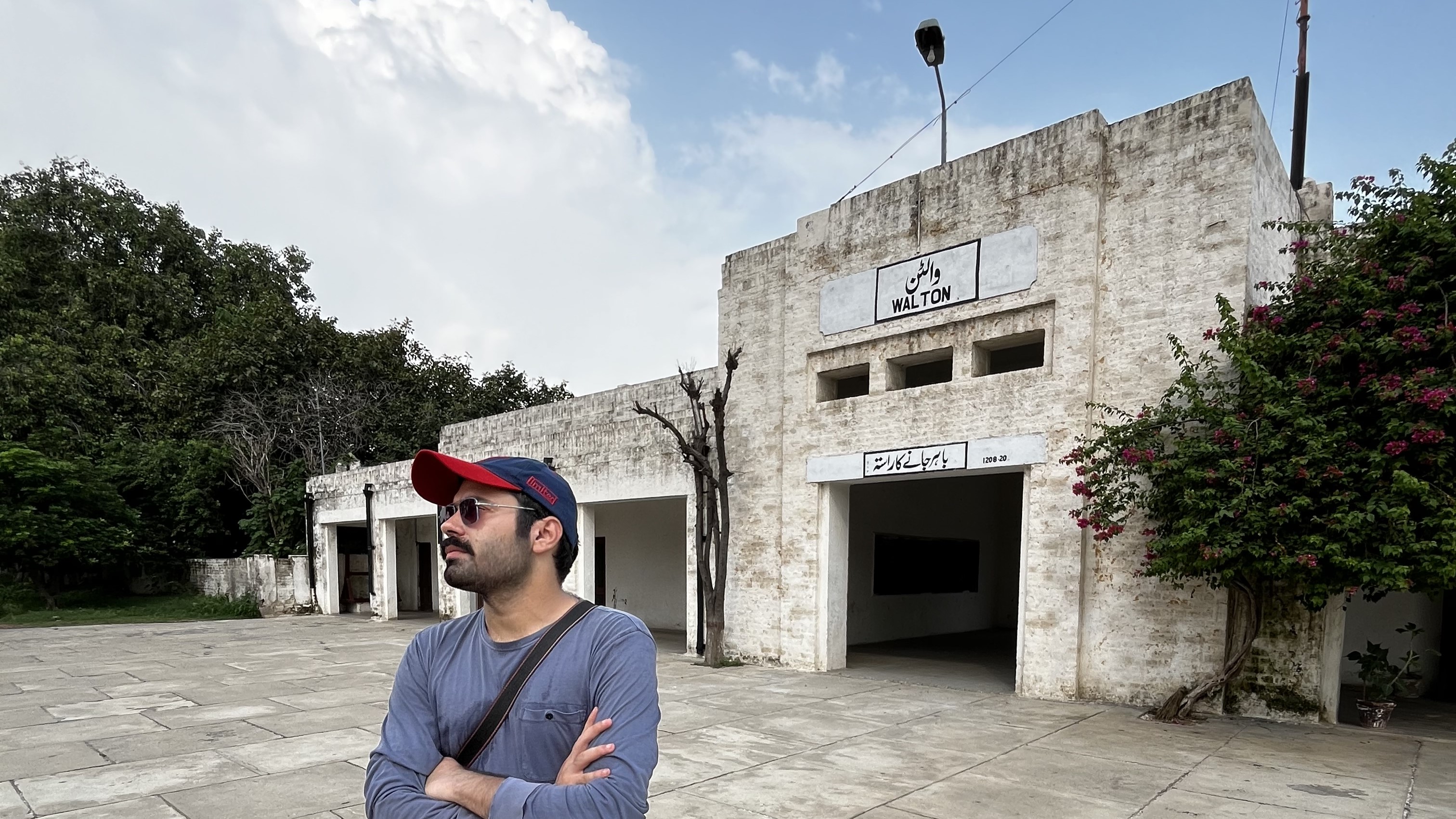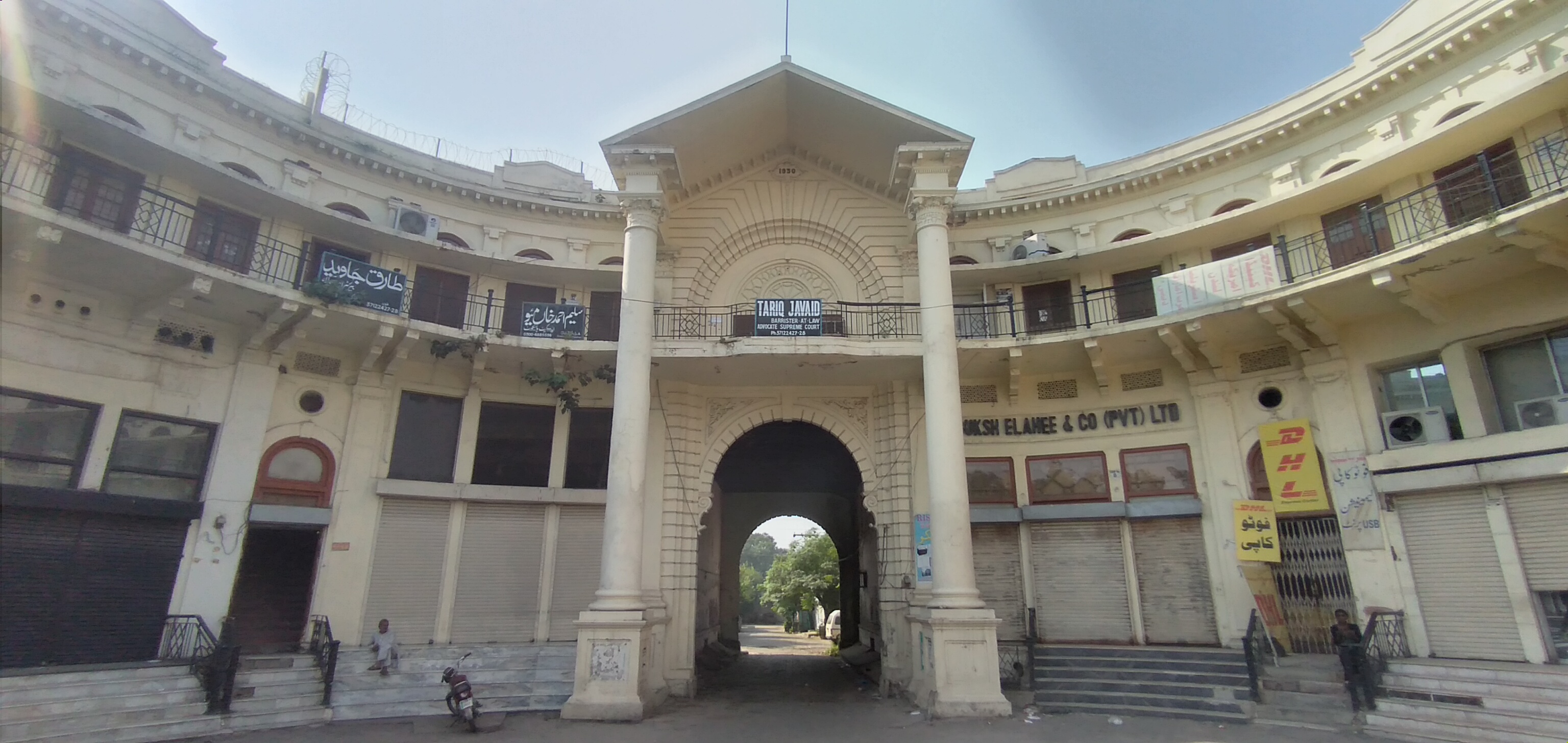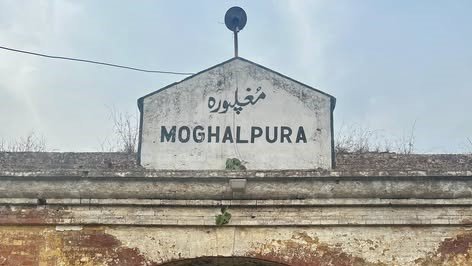
Mughalpura Railway Station Lahore is not just another railway stop in the city. It is a layered landscape of empire, industry, and memory. For years I had wanted to document this site, but standing within its grounds revealed something far deeper than I had imagined. This was once the industrial heartbeat of the railway system in British India. Today it stands quiet, carrying stories of expansion, machinery, migration, and mourning.
Located in Lahore, Punjab, this station connects us not only to tracks and trains, but to power, policy, and Partition. To understand Mughalpura is to understand how railways shaped Pakistan’s history.
What is Mughalpura Railway Station Lahore?
It is a historic railway station and workshop complex that became one of the largest railway industrial hubs in British India.
Where is it located?
It is situated in Mughalpura, Lahore, in Punjab, Pakistan. The area developed into a railway colony during British rule.
When was it established?
The expansion began after Lahore was declared the headquarters of the North Western Railway in 1886. In 1908, major railway workshops were shifted here from Lahore Railway Station.
Who developed it?
The British colonial administration developed it under the North Western Railway system to support the expanding rail network across Punjab and beyond.
Why was it important?
It became the largest railway workshop complex in the region, covering over 100 acres. It housed power plants, heavy machinery, and engineering units that controlled railway movement across vast territories.
How did it shape the region?
It transformed Mughalpura into an industrial railway town. Skilled laborers, engineers, and administrators were stationed here, creating a railway based urban ecosystem.
For deeper context on railway expansion, you can also read Railway Heritage of Lahore, where the broader network is explored.

Architectural Character and Industrial Design
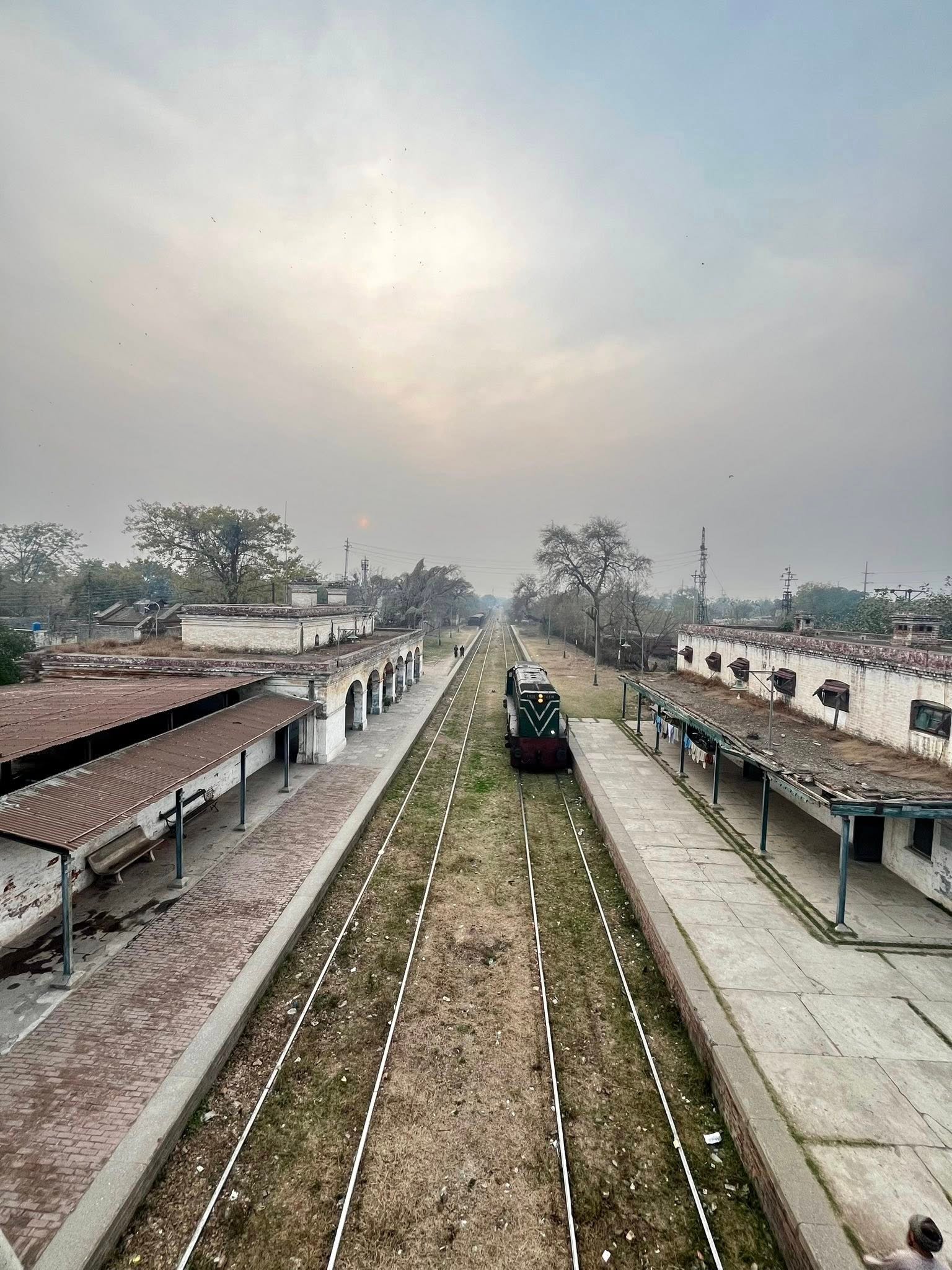
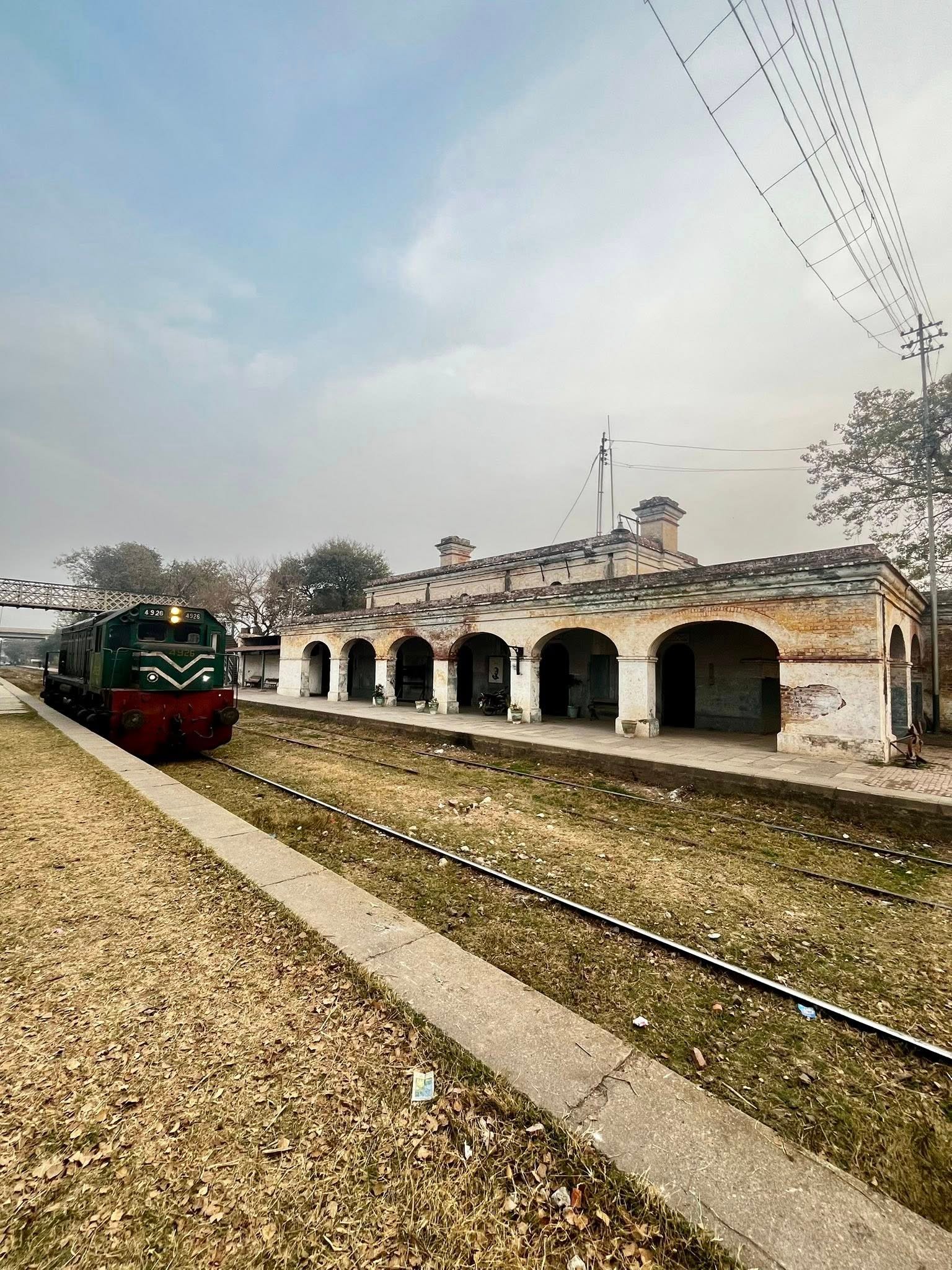
Architecturally, Mughalpura Railway Station Lahore reflects British colonial industrial planning rather than grand Mughal aesthetics. Unlike many traditional stations with a single dominant facade, this site is composed of bungalow style buildings facing the tracks from multiple sides.
Key architectural features include:
• Red brick colonial structures
• Wide verandas and functional layouts
• Iron overhead pedestrian bridge still in use
• Large workshop sheds designed for heavy machinery
• Railway colony style residential planning nearby
The station layout reflects efficiency over ornamentation. Its purpose was mechanical precision and industrial productivity.
The presence of old British era machinery inside the premises still evokes the rhythm of steam engines and the authority of colonial infrastructure.
Those interested in colonial design influence may also explore British Colonial Architecture in Lahore, which explains how imperial power was expressed through built form.


Industrial Expansion Under British Rule
The area became known as the industrial heart of railway operations in the region.
When Lahore became the headquarters of the North Western Railway in 1886, Mughalpura emerged as a strategic industrial hub. By 1908, workshops shifted here to accommodate the growing railway network. These workshops repaired locomotives, manufactured components, and managed technical operations across Punjab.
Partition of 1947
The most haunting chapter of Mughalpura Railway Station Lahore unfolded during Partition in 1947. Trains carrying migrants between India and the newly formed Pakistan often became sites of violence. Bodies of murdered passengers were discovered here.
This station became a silent witness to human tragedy. The railway lines that once symbolized connection became corridors of fear.
For a broader understanding of this period, you may read Partition 1947 Sites in Lahore, which explores other locations marked by that history.


Current Use and Condition
Today, Mughalpura Railway Station Lahore primarily handles goods trains. Passenger activity is limited. Within its grounds operates the Mughalpura Police Station, an unusual administrative presence inside a railway complex.
The official spelling reads Moghal Pura, reflecting a colonial transliteration.
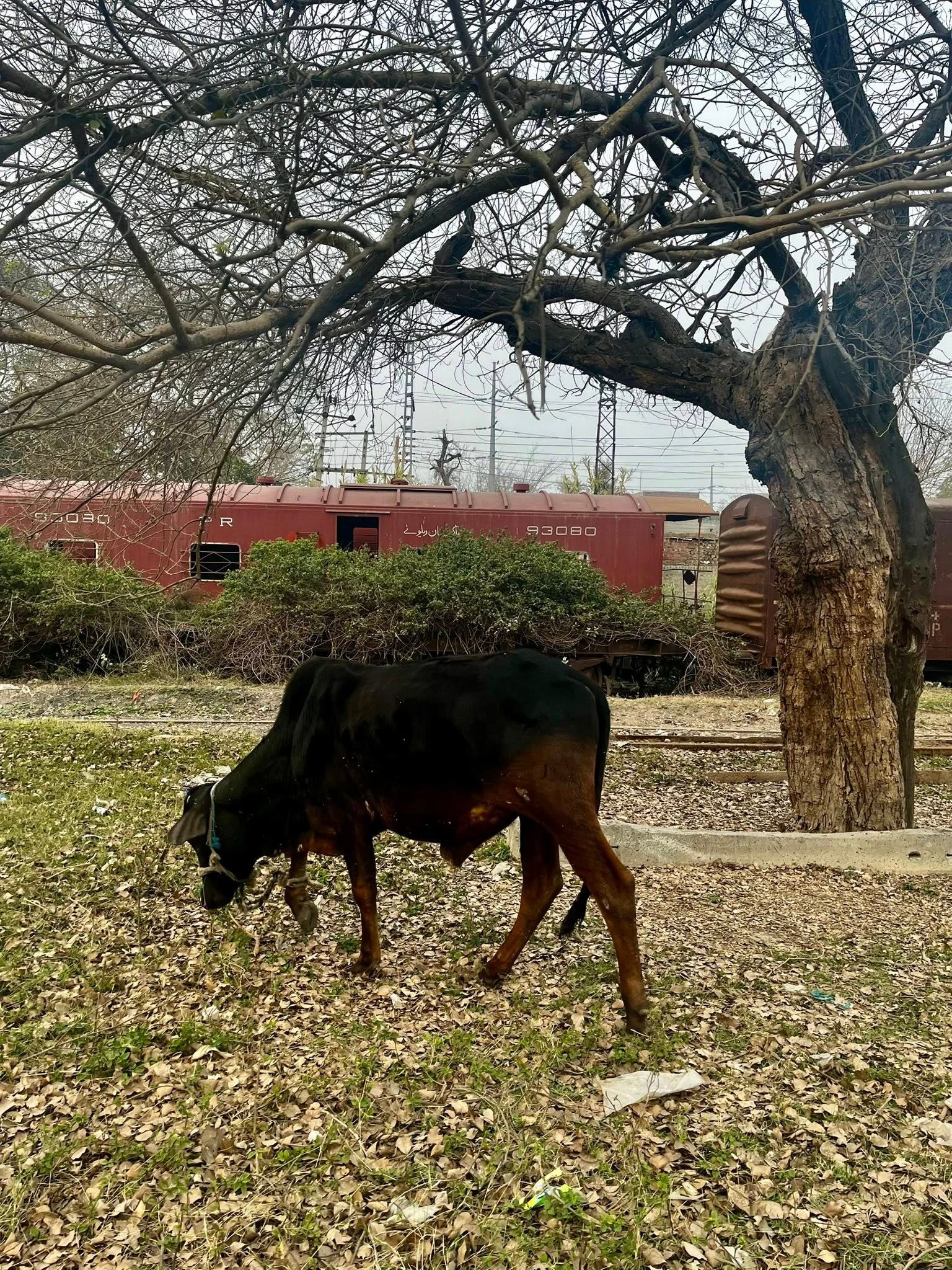
The surrounding landscape feels neglected. Wild grass and bushes grow across open land. Abandoned bogies and damaged goods wagons lie scattered. Cows and buffaloes gather in the evening, reclaiming industrial space with rural calm.
Despite its historical weight, the station remains under documented and under preserved.
Those curious about operational contrasts may compare it with Lahore Railway Station History, which continues to function as a major passenger hub.
My Personal Experience
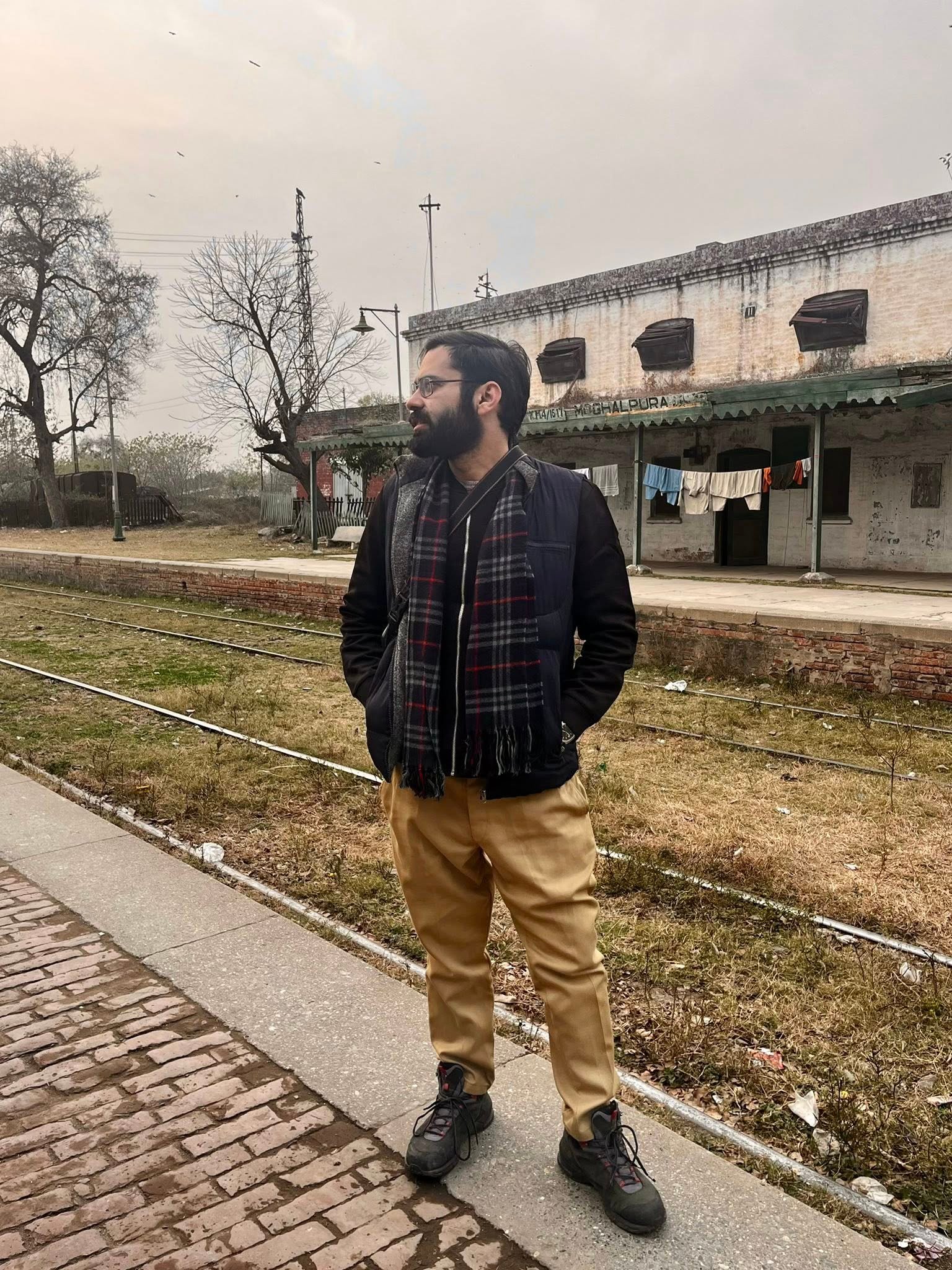
I had wanted to document Mughalpura Railway Station Lahore for years. When I finally entered its grounds, I felt as though I had stepped into a forgotten industrial city.
The silence was striking. Rusted machinery rested in shadows. Iron beams carried the fatigue of a century. As I navigated the uneven pathways, I even fell from my bike while trying to move through neglected terrain.
Yet that fall felt symbolic. Heritage documentation is rarely smooth. It demands patience, risk, and emotional resilience.
Standing near the tracks, I tried to imagine steam engines roaring, engineers shouting instructions, workers moving with urgency. Then another image surfaced. The year 1947. Trains arriving not with goods, but with grief.
The station does not speak loudly. It whispers. And if one listens carefully, it tells stories of ambition, empire, migration, and loss.
Why Mughalpura Railway Station Lahore Matters Today
Industrial heritage is often overlooked in Pakistan. We celebrate forts, mosques, and palaces, yet railway workshops shaped economic and political landscapes just as profoundly.
Mughalpura represents:
• Colonial industrial planning
• Railway urban development
• Migration history
• Partition memory
• Neglected industrial heritage
There is immense potential for heritage walks, railway tourism, documentary filmmaking, and academic research.
With proper conservation and interpretation, this site could become part of a broader Lahore industrial heritage circuit.
Conclusion
Mughalpura Railway Station Lahore is more than brick and iron. It is a chapter of power, productivity, tragedy, and silence. It reminds us that heritage is not always beautiful in appearance. Sometimes it is heavy. Sometimes it is uncomfortable. But it is always necessary. To preserve such places is not merely an act of nostalgia. It is an act of responsibility.
If you are passionate about discovering the hidden layers of Lahore’s past, join one of my guided heritage explorations focused on railway and industrial history.
For collaborations, academic visits, documentary research, or curated heritage walks, visit https://saadzahid.co and get in touch.
Let us walk through forgotten stations together and allow history to speak again.