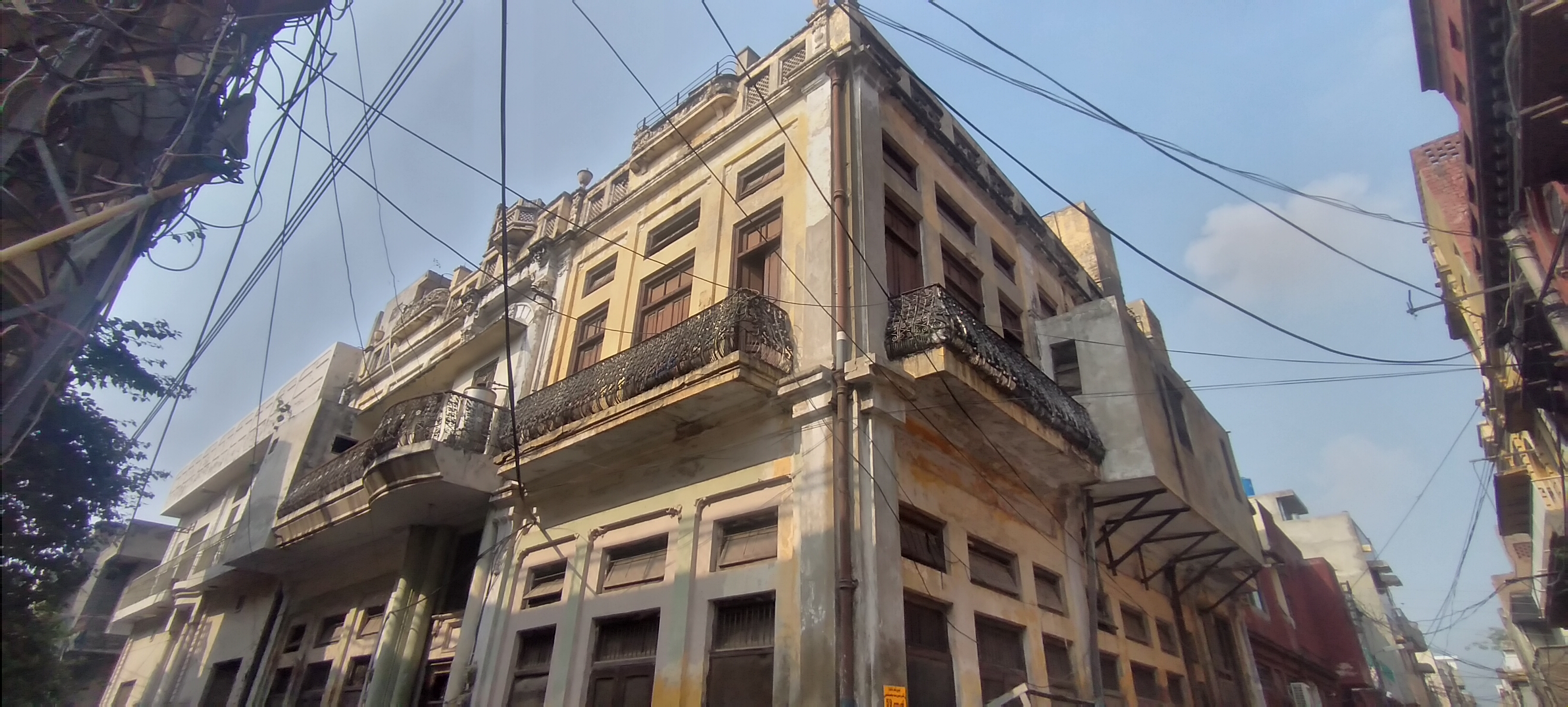
British Raj architecture in Lahore is not confined to grand avenues or monumental government buildings. It also lives quietly in residential neighborhoods where memory breathes through brick, veranda, and roofline. Krishna Nagar, now officially known as Islampura, is one such place. Developed in the 1930s under British rule, this neighborhood reflects a carefully planned colonial vision shaped for the urban middle class, yet layered today with stories of migration, loss, and continuity.
Walking through Krishna Nagar is not merely a stroll through streets. It is an encounter with history still standing, still speaking, and still waiting to be understood.
What was Krishna Nagar
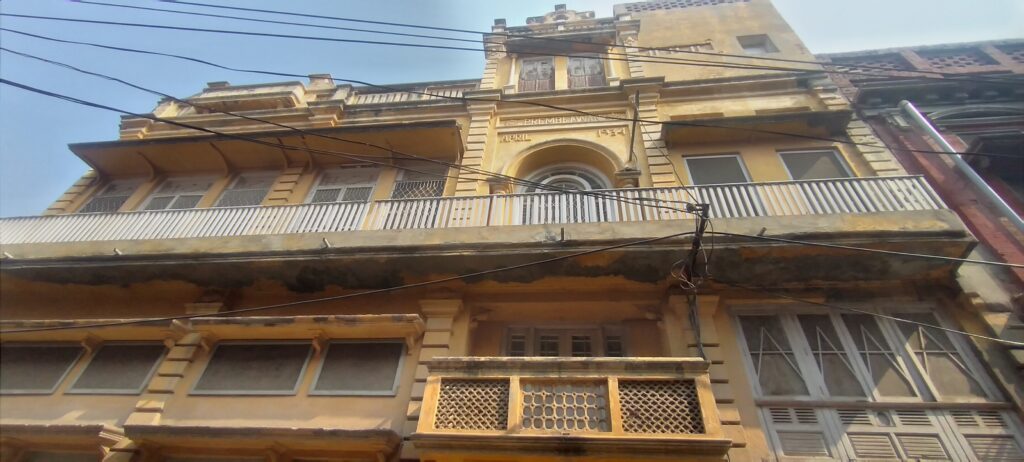
Krishna Nagar was a planned residential society established during the late British Raj period. Designed primarily for the non Muslim middle class, it stood apart for its orderly layout, raised rooftops, and bungalow style houses that reflected British domestic architecture adapted to the local climate.
Where is it located
The area lies in Lahore and is now administratively merged with Sant Nagar under the name Islampura. Despite the official renaming, Krishna Nagar continues to live in public memory, conversation, and cultural identity.
When was it developed
The society took shape in the 1930s, a time when Lahore was expanding rapidly under colonial governance and new residential models were being introduced.
Who lived here
Before Partition, Krishna Nagar was home largely to Hindu families, many of whom were merchants, professionals, and civil employees. After 1947, the area welcomed Muslim families migrating from UP, Delhi, and Lucknow, many of whom joined state institutions such as Radio Pakistan, PTV, PTCL, the Postal Department, and the Civil Secretariat.
Why it matters
Krishna Nagar represents a human scale example of British Raj architecture in Lahore. It shows how colonial urban planning intersected with everyday life rather than imperial symbolism alone.
How it evolved
Following Partition, the physical fabric remained largely intact while the social fabric transformed. Homes changed hands, religious identities shifted, but architecture endured, silently adapting to new lives.
Architectural Character and Urban Design
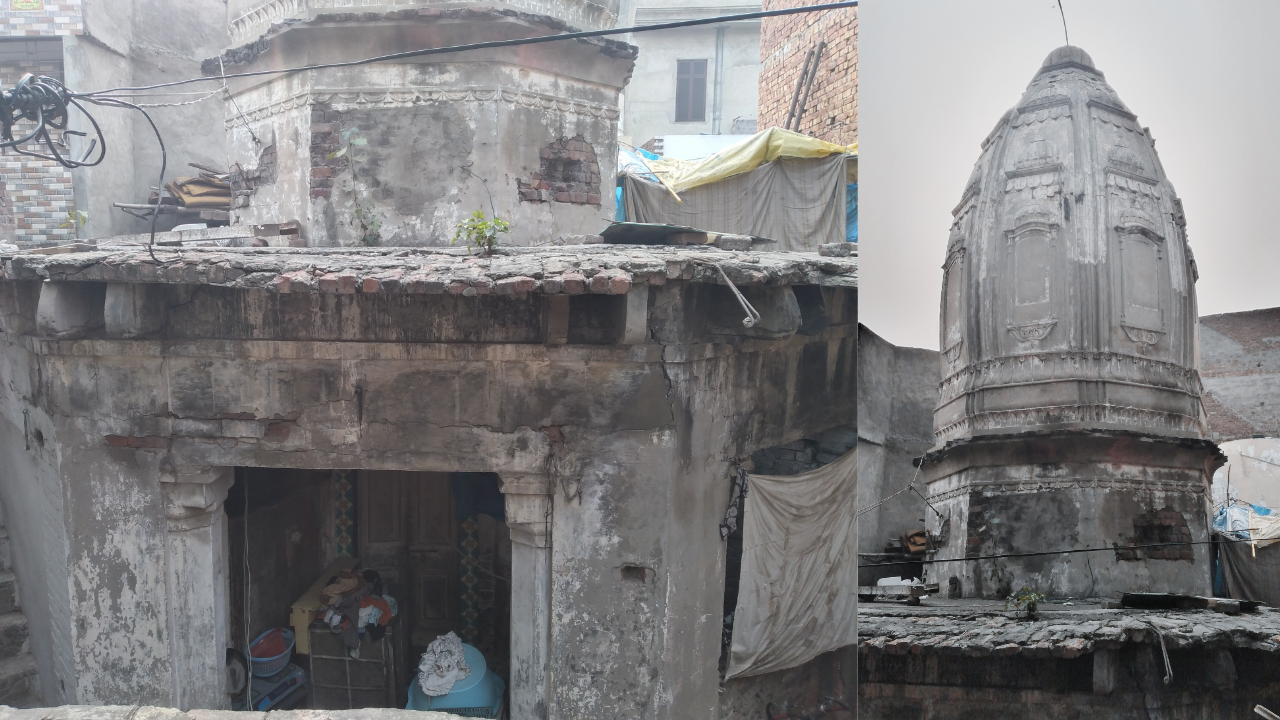
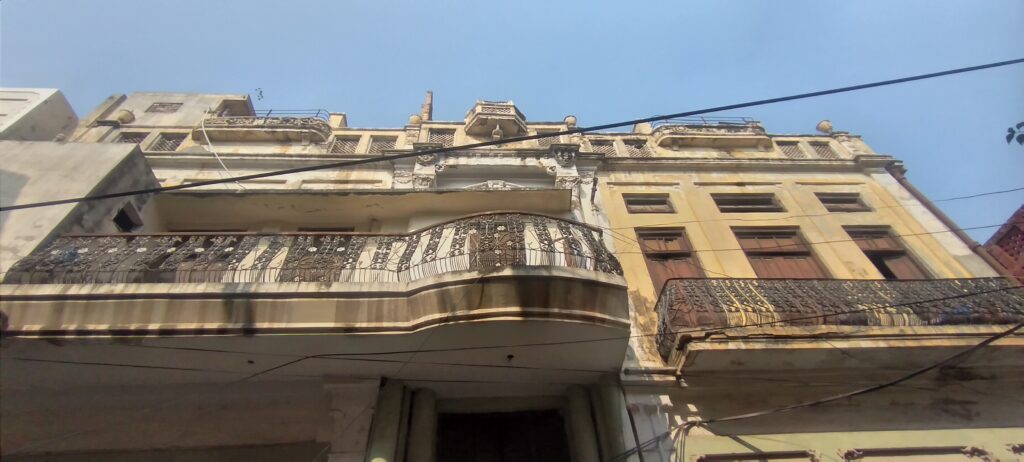
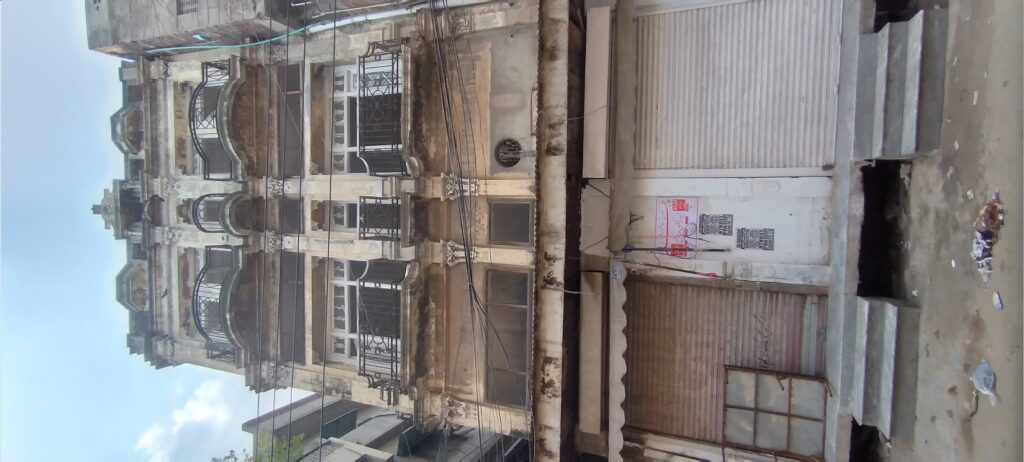
The architecture of Krishna Nagar reflects a hybrid colonial aesthetic. Houses were built with raised roofs inspired by British bungalows, allowing better ventilation and climatic comfort. Wide verandas, solid brick construction, and symmetrical facades defined the streetscape.
What makes this area particularly compelling is the presence of religious symbols still visible on many homes. These signs indicate the faith of former occupants and serve as architectural footnotes to Lahore’s plural past. Unlike monumental colonial buildings, these houses were designed for families, for routine life, and for long term settlement.
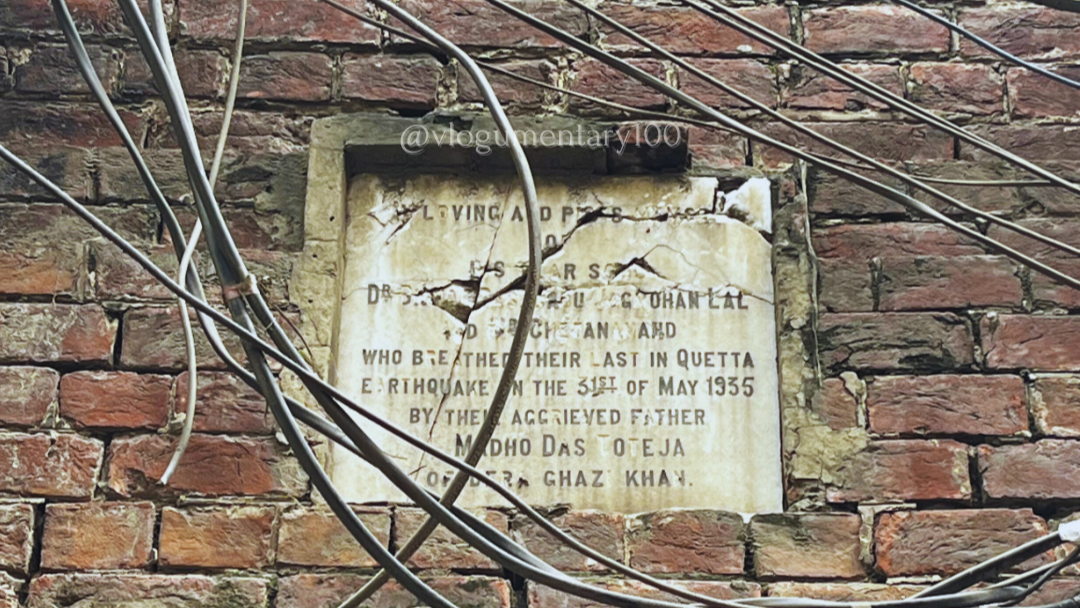
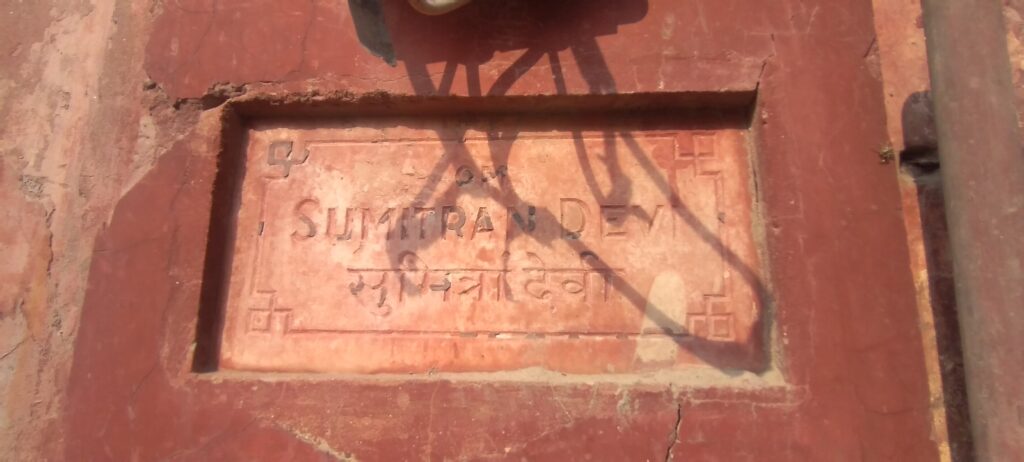
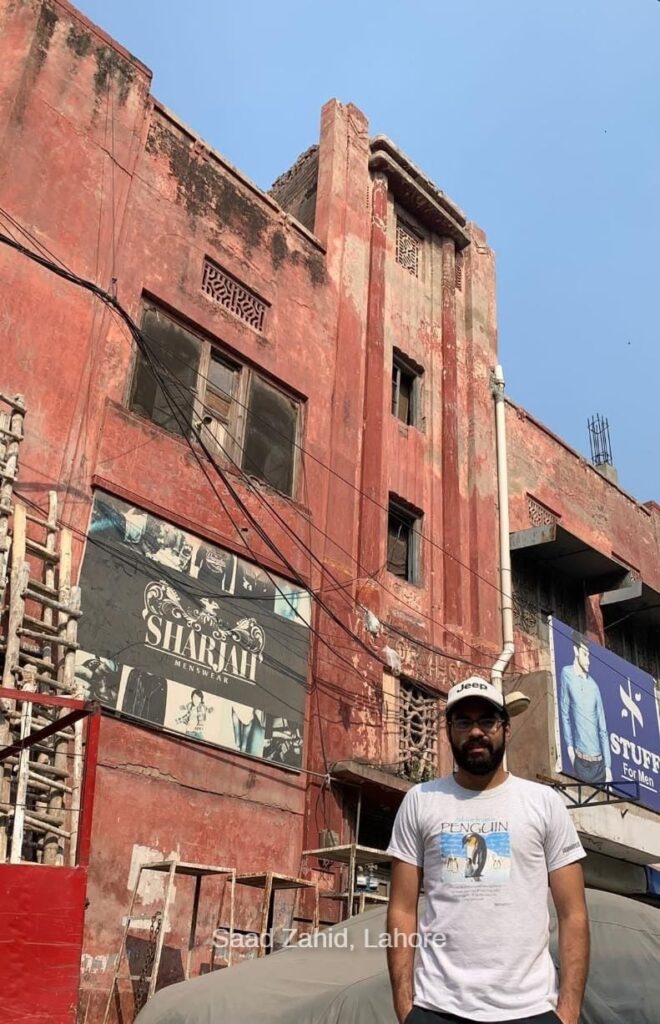
Victory House stands as one of the most striking structures near the bazaar. This red building, once owned by Sumitraan Devi, still bears her nameplate. It is a rare surviving witness to pre Partition Lahore, dignified yet vulnerable.
Readers interested in similar residential patterns may explore Colonial Era Neighborhoods of Lahore and Hindu Heritage Sites in Lahore, which expand this architectural conversation further.
Important Historical and Cultural Associations
Krishna Nagar has been home to some of Pakistan’s most influential literary and cultural figures. Ishfaq Ahmed, Mannu Bhai, Mirza Adeeb, Mumtaz Mufti, Qudratullah Shahaab, Habib Jalib, and actor Yousuf Khan all had associations with this neighborhood.
The presence of such figures transformed Krishna Nagar into a cultural incubator. It was a place where intellectual thought, literature, and state media quietly took shape within residential walls. Even everyday details such as scooter culture and the double decker bus route to Aarey Bazaar reveal a vibrant urban rhythm now mostly forgotten.
Life after Partition and the Changing Identity
After independence, Krishna Nagar experienced one of the most profound transformations in its history. The original residents migrated to India, leaving behind homes filled with memory. New families arrived carrying their own stories of displacement and hope.
While the name officially changed to Islampura, identity does not shift as easily as signage. Many residents still refer to the area as Krishna Nagar, not out of resistance, but out of remembrance. The streets hold layered identities, colonial, pre Partition, post Partition, and contemporary, all existing simultaneously.
Current Use and Condition of the Area
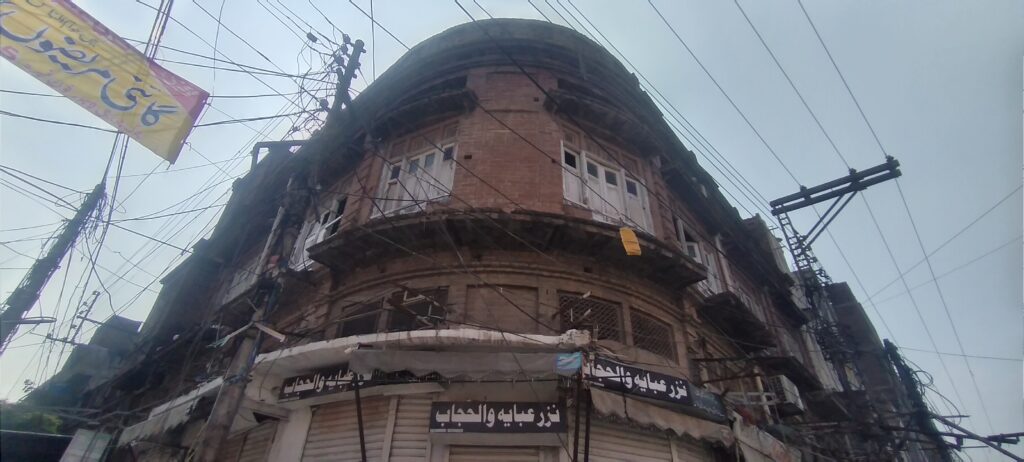
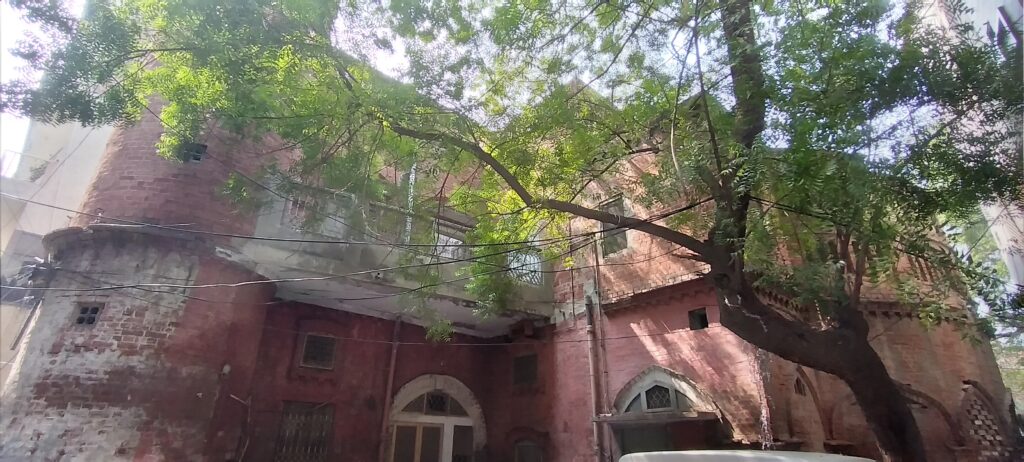
Today, Krishna Nagar functions as a dense urban neighborhood. While the bazaar has lost many historic structures, inner streets still preserve a remarkable number of original houses. These homes are lived in, altered, repaired, and sometimes neglected, yet their bones remain colonial.
The biggest challenge is the lack of formal heritage recognition. Without awareness and documentation, these structures risk gradual erasure. Yet they also present immense potential for community based heritage tourism and storytelling.
Those interested in experiential exploration can also read Heritage Walks in Lahore Pakistan, which highlights how living neighborhoods can become open air classrooms.
My Personal Experience Walking Krishna Nagar
As an archaeologist and heritage explorer, my walks through Krishna Nagar are always quiet conversations with the past. I pause at doorways, study fading symbols, and imagine voices that once filled these spaces. There is humility in realizing that heritage does not always announce itself. Sometimes it whispers.
Every visit reinforces my belief that British Raj architecture in Lahore is not only about grand colonial power. It is about ordinary lives shaped by extraordinary times. Krishna Nagar taught me that preservation begins with attention and respect.
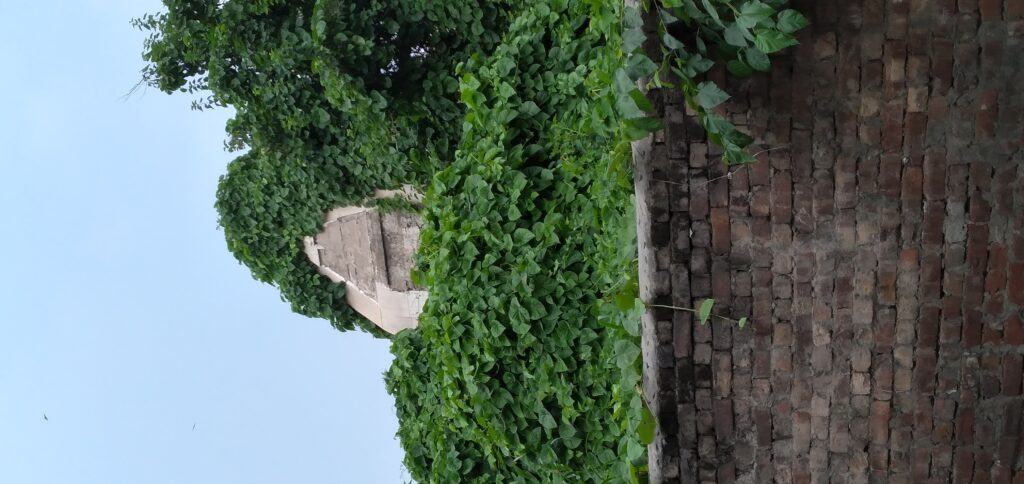
Why Krishna Nagar Matters Today
In a city racing toward vertical growth, Krishna Nagar reminds us of human scale planning. It offers lessons in climate responsive design, social integration, and cultural continuity. More importantly, it challenges us to preserve not just buildings, but stories.
If you wish to experience British Raj architecture in Lahore beyond textbooks and landmarks, I invite you to walk these streets with me. Through guided heritage walks, curated storytelling, and in depth documentation, we can rediscover neighborhoods like Krishna Nagar together.
Explore, learn, and become part of preserving Pakistan’s living heritage. Reach out to join an upcoming heritage walk or collaborate on cultural storytelling projects that keep these histories alive.