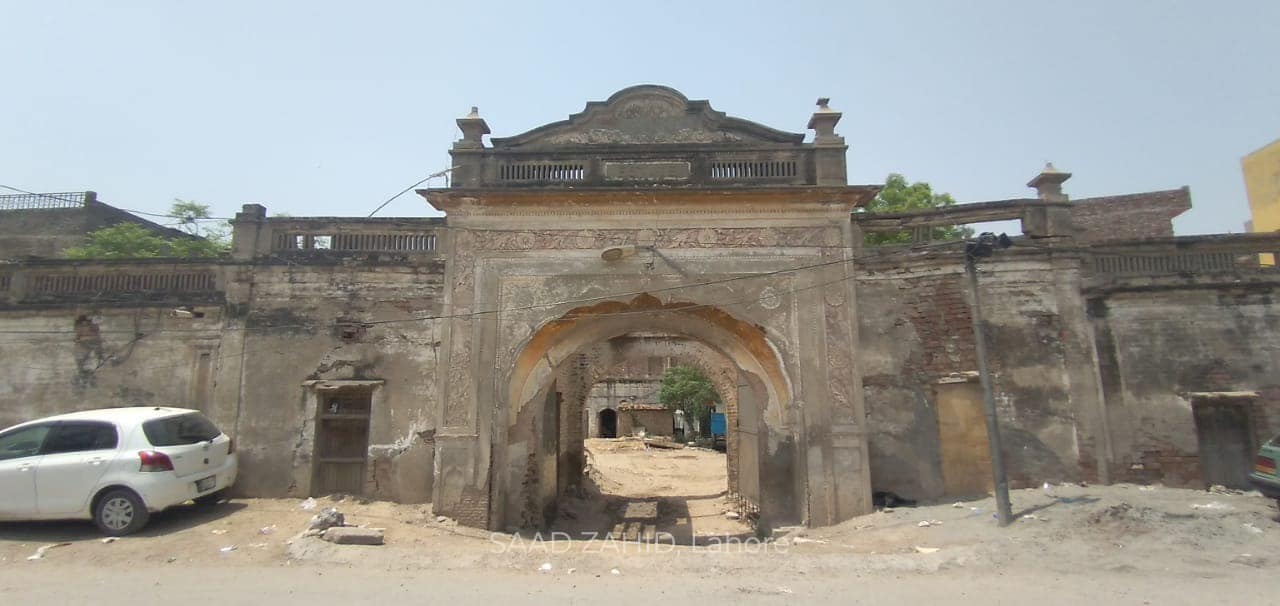
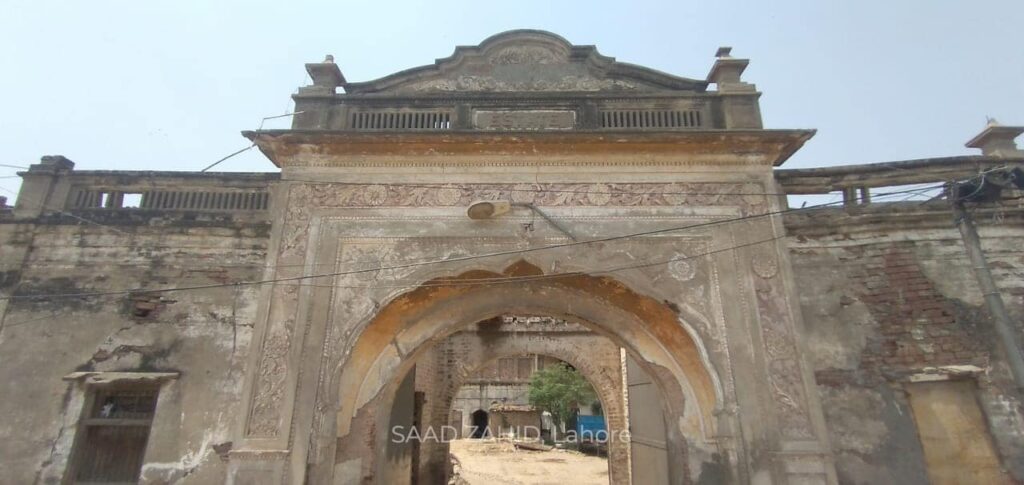
The Fateh Singh Mansion, A Hidden Haveli in Lahore, stands quietly inside the vast landscape of the Punjab University New Campus, a place where thousands of students walk past without knowing the silent story rising behind those ancient walls. This haveli belongs to a lineage connected to the Sikh era and the British period, a lineage once woven through courts, jagirs, politics, and power. In the first glance, its carved entrance and crumbling corners reveal a forgotten world waiting to be retold. In this article, I explore its origins, its architecture, the events that shaped it, its present condition, and the reasons why it deserves our attention today.
Youtube video, https://www.youtube.com/watch?v=hW2V5LjABv0
History of the Mansion
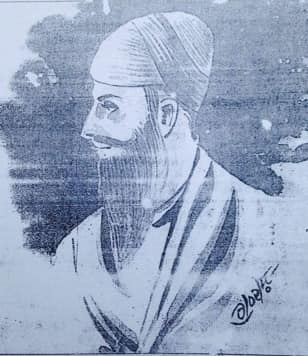
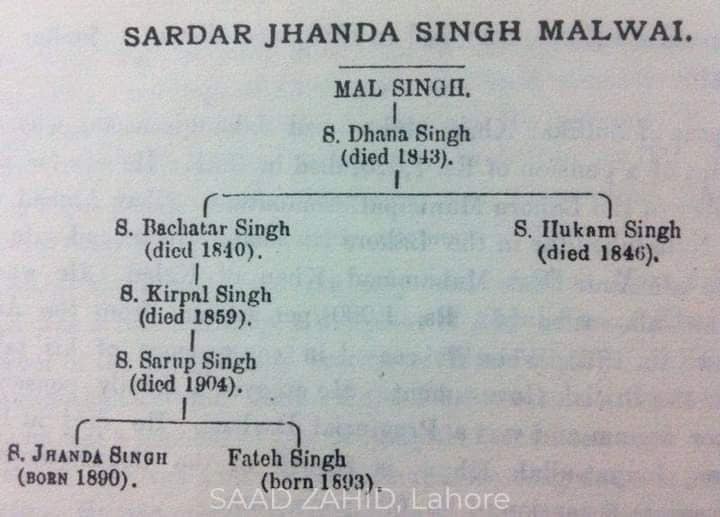
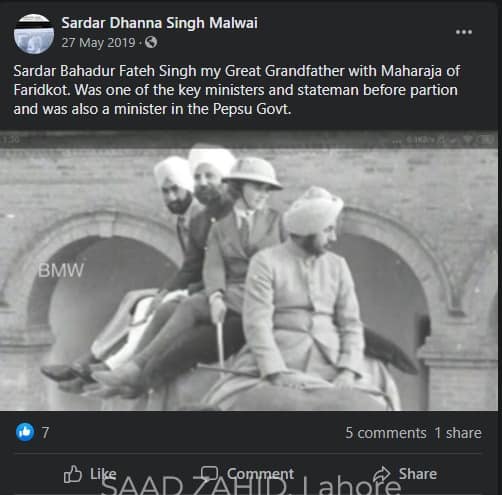
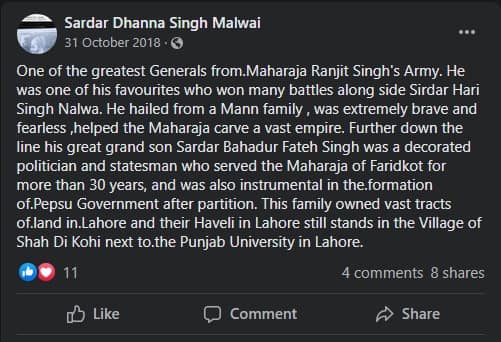
To understand the story of the Fateh Singh Mansion Lahore, we must begin with its roots. The mansion belonged to the family of Fateh Singh, a descendant of Dhana Singh, who served as a military commander under Maharaja Ranjit Singh. The genealogy flows from Dhana Singh to Bhachtar Singh, Karpal Singh, Saroop Singh, and finally to Fateh Singh, who inherited both prestige and influence.
Fateh Singh was educated at Aitchison College, a place known for producing administrators, landholders, and nobles of the colonial period. Over time he accumulated several villages and became an influential statesman in the political structure of the Patiala and East Punjab States Union before the partition of the subcontinent.
The mansion stands in what was once the village of Shah Di Khoi, now fully absorbed into the campus of Punjab University. What was once a quiet village with its own well and its own rhythm of life has now become a part of a modern educational landscape. The transition of this land from a small settlement to a part of one of Pakistan’s largest universities reflects the living history of Lahore itself.
Architecture
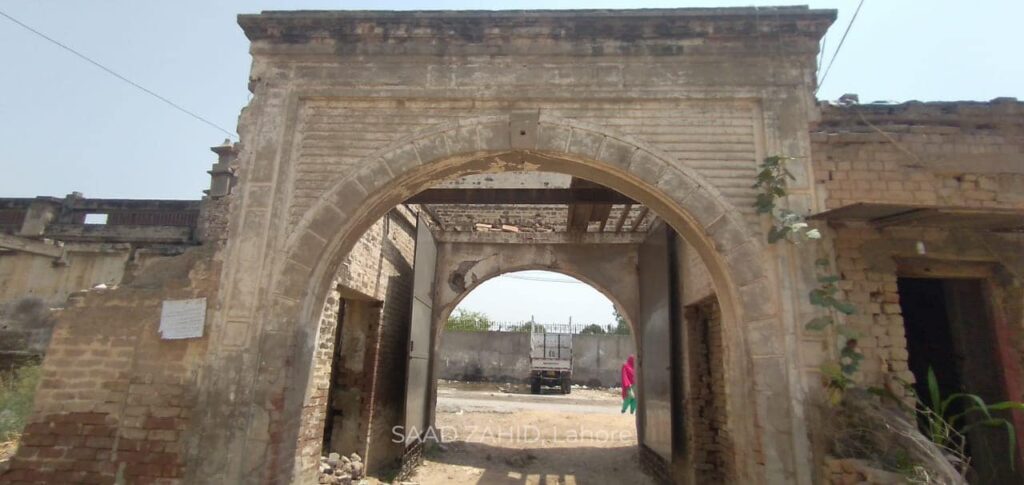
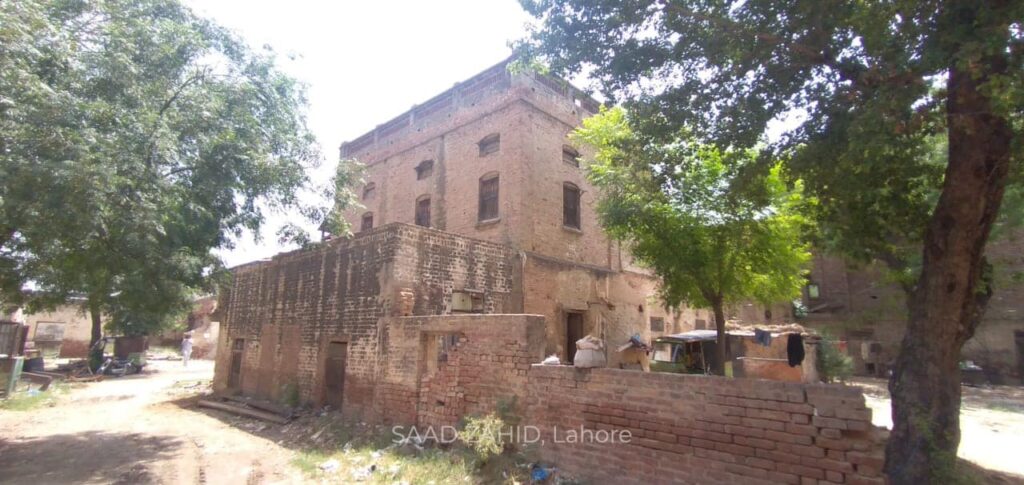
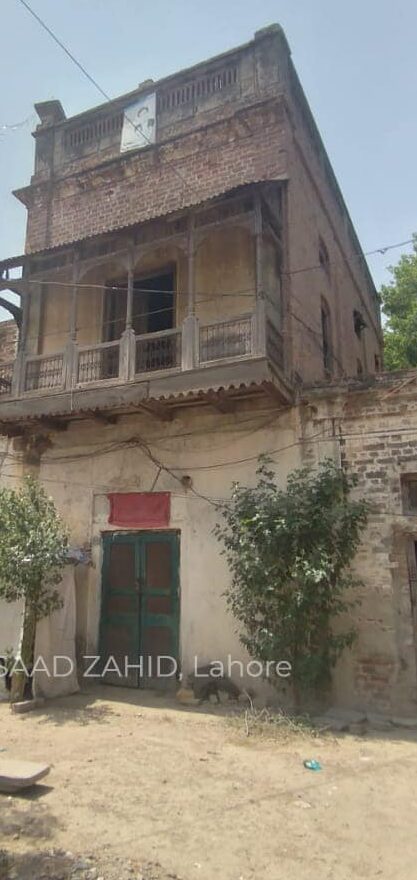
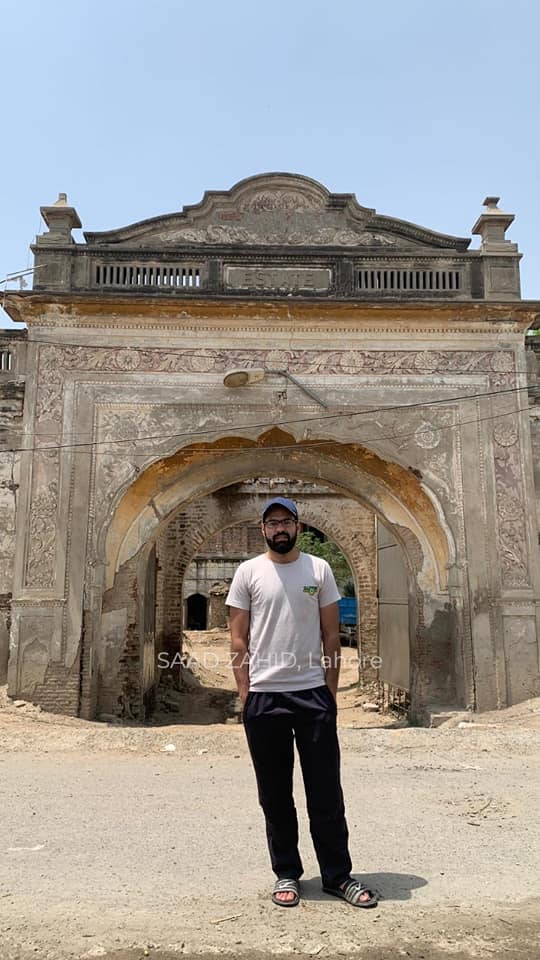
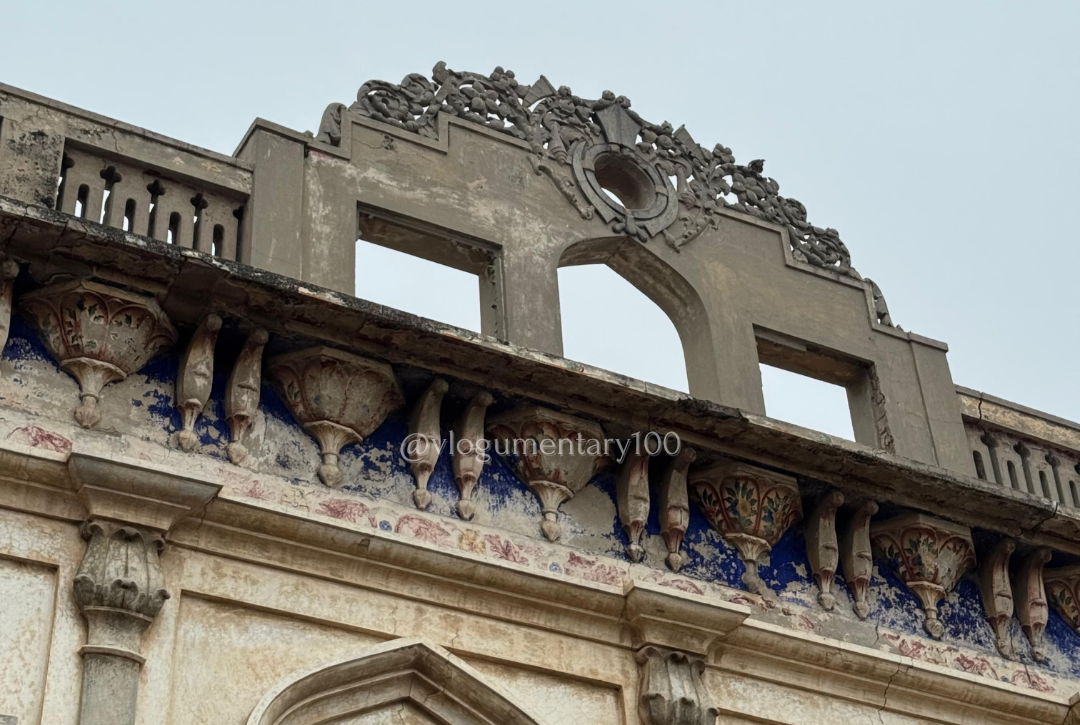
The architectural style of the Fateh Singh Mansion Lahore offers a rare blend of Sikh era tradition and British era influence. The entrance is entirely rounded, a unique feature that instantly draws the eye. The carved wooden doors, though weathered by time, still carry the artistic touch of a master craftsman.
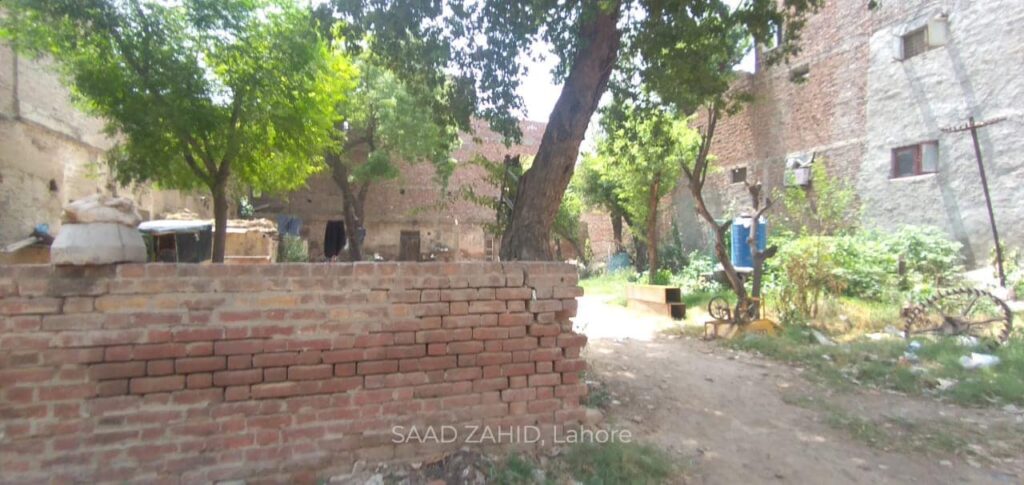
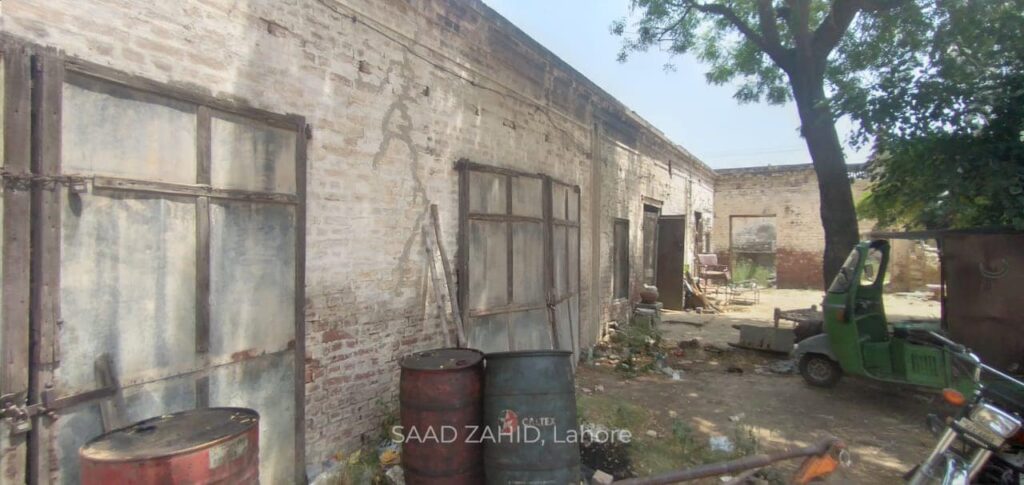
Inside, a courtyard opens to the sky, surrounded by rooms on every side, echoing the traditional haveli layout of Punjab. Large bricks from the British period were used in its construction, giving it a heavy and commanding presence. A variety of staircases wind upward, each leading to once private spaces that now serve as residences for university staff.
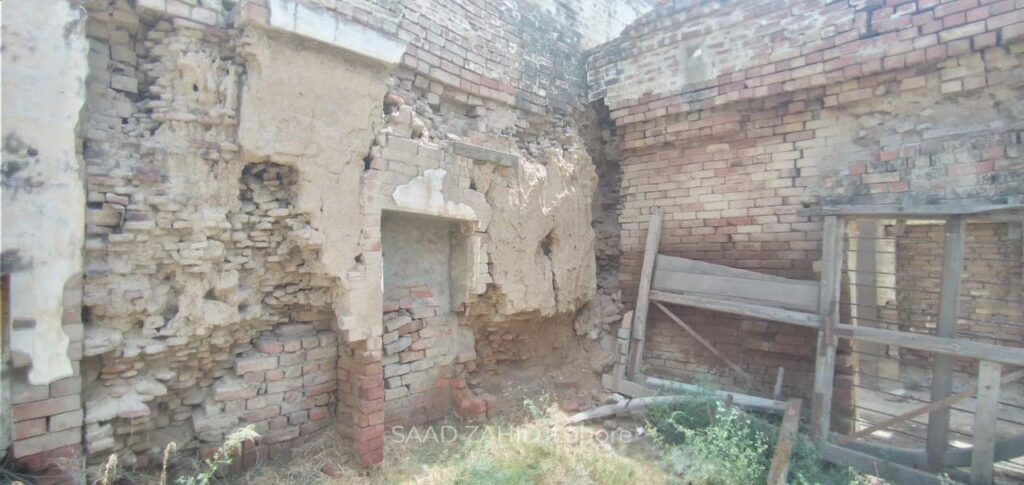
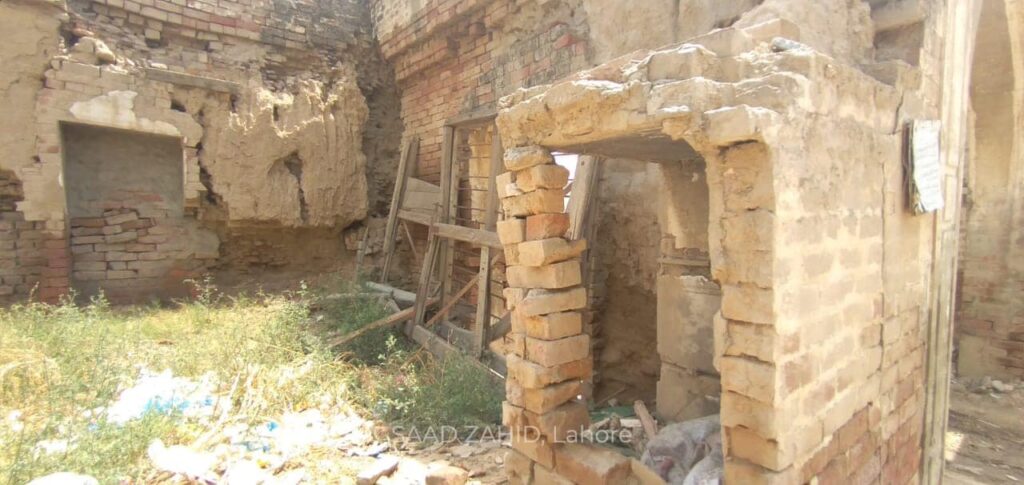
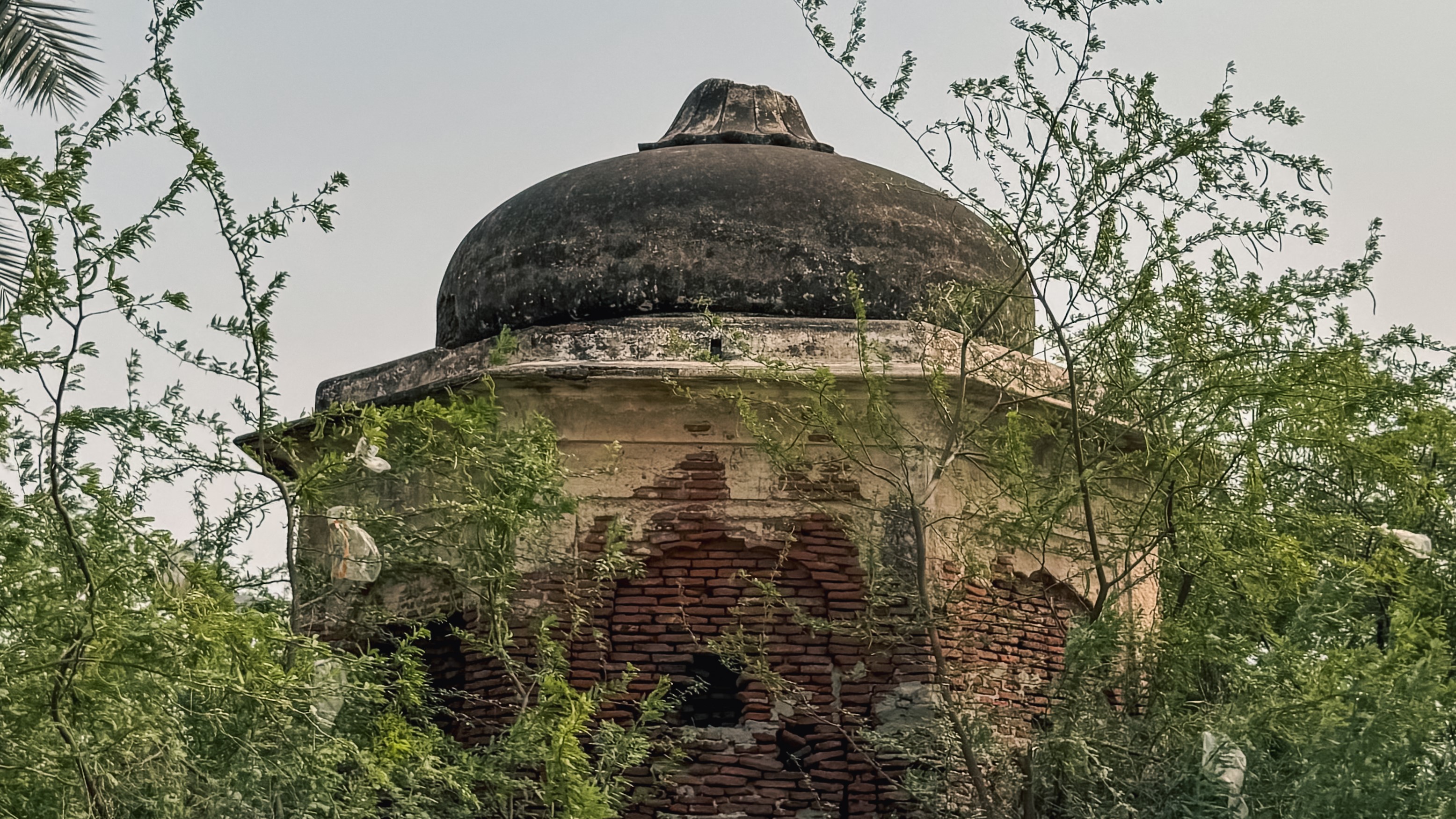
Some parts of the mansion remain strong, standing firm against time. Other sections show painful signs of decay. One room near the main entrance has already lost its roof, leaving a single girder suspended in the air like a silent survivor. A fireplace that once warmed winter nights now lies hidden in wild bushes, half reclaimed by nature.
Important Historical Events
The mansion witnessed multiple political shifts, from the closing years of Sikh sovereignty to the rise of British rule and then to the post colonial world. The family’s relationships with both Sikh and British administrations helped them secure jagirs, influence, and respect across Punjab.
Fateh Singh’s role as a minister in a princely state before independence adds another layer to the political texture of this building. The haveli was not only a place of residence. It was a space where decisions were discussed, where guests were welcomed, where land matters were negotiated, and where the standing of the family was visibly displayed through architecture.
This interplay between authority and architecture makes the mansion a valuable piece of Lahore’s layered past. For readers who wish to explore more related content, feel free to visit Lahore heritage tours, and Heritage Tours Across Pakistan.
- British Heritage (2)
- Cities (2)
- Hindu Heritage (4)
- Muslim Heritage (7)
- Sikh Heritage (2)
Current Use of the Building
Today, the Fateh Singh Mansion Lahore is quietly serving a completely different purpose. Several of its rooms are now used as residences for staff members of Punjab University. On one hand, this ongoing use has protected parts of the building from total abandonment. On the other hand, this everyday usage presents challenges for historic preservation.
The back portion of the mansion is in severe decline. Cracked walls, collapsed ceilings, and overgrown vegetation show how quickly history fades when protection is not prioritized. Yet even in this condition, the haveli maintains an undeniable charm. It is a reminder of Lahore’s multilayered identity, one that deserves acknowledgement, study, and care.
My Personal Experience
Like many others, I too once passed this building without understanding its value. It was only after deep research, guidance from knowledgeable friends, and a careful reading of old genealogical texts that the story began to unfold. Standing in its courtyard for the first time, I felt a blend of stillness and sorrow. Stillness from the weight of history that lingered in every brick, and sorrow from seeing how little was known and how little was preserved.
Yet there was also hope. The kind of hope that comes when a forgotten place is finally seen again, when its story finds a voice, and when its future can still be shaped by those who care. That moment encouraged me to write, document, and share this experience so that the mansion’s silence may someday turn into conversation and its neglect may turn into restoration. During my MPhil degree at Punjab University, I and my mentor Dr. Muhammad Hameed have made a lot of efforts to somehow bring this mansion to the Archaeology Department and activate it as a classroom for our department at Punjab University where regular classes on History, Architecture and Archaeology can be held. Hopefully, we will hear good news in this regard soon from the university administration.
A Call for Restoration
The Fateh Singh Mansion Lahore is more than an old structure. It is a bridge between eras, a record of architectural traditions, and a reminder of the families and communities that shaped Lahore. Saving it is not only about preserving bricks but about keeping alive the memory of a cultural landscape that shaped our present.
Punjab University, along with its history department, can play a pivotal role by approving research visits, initiating conservation discussions, and encouraging students to explore the heritage that stands within their own campus.
If this journey into the Fateh Singh Mansion Lahore has touched your heart, I warmly invite you to explore these stories with me in person. Book a customized heritage tour, walk with me through the forgotten lanes of Lahore, and let us rediscover the city together. You are welcome to explore with me, follow Vlogumentary across all platforms for more stories, histories, and journeys into Pakistan’s living heritage.
It criminal neglect on part of PU to have ignored this heritage building and preferred new concrete buildings for its needs. Above all it is being used as illegal residence of some lower staff or occupants to let it deteriorate to obliviousness. I appreciate your effort to highlight this building and ill treatment by PU management. Governor Punjab should take notice it and students mist raise alarm bells. Sikhs has been very potent part Punjab civilisation and Lahore has been heart of undivided Punjab since centuries. Sikhs still love Lahore than any other city of both Punjab as their cultural heritage. If Ranjit Singh Smadhi could be maintained, why not this building. The old city authority could be asked to renovate it its original and some education purpose like Punjab heritage museum or some other use could be made of it.