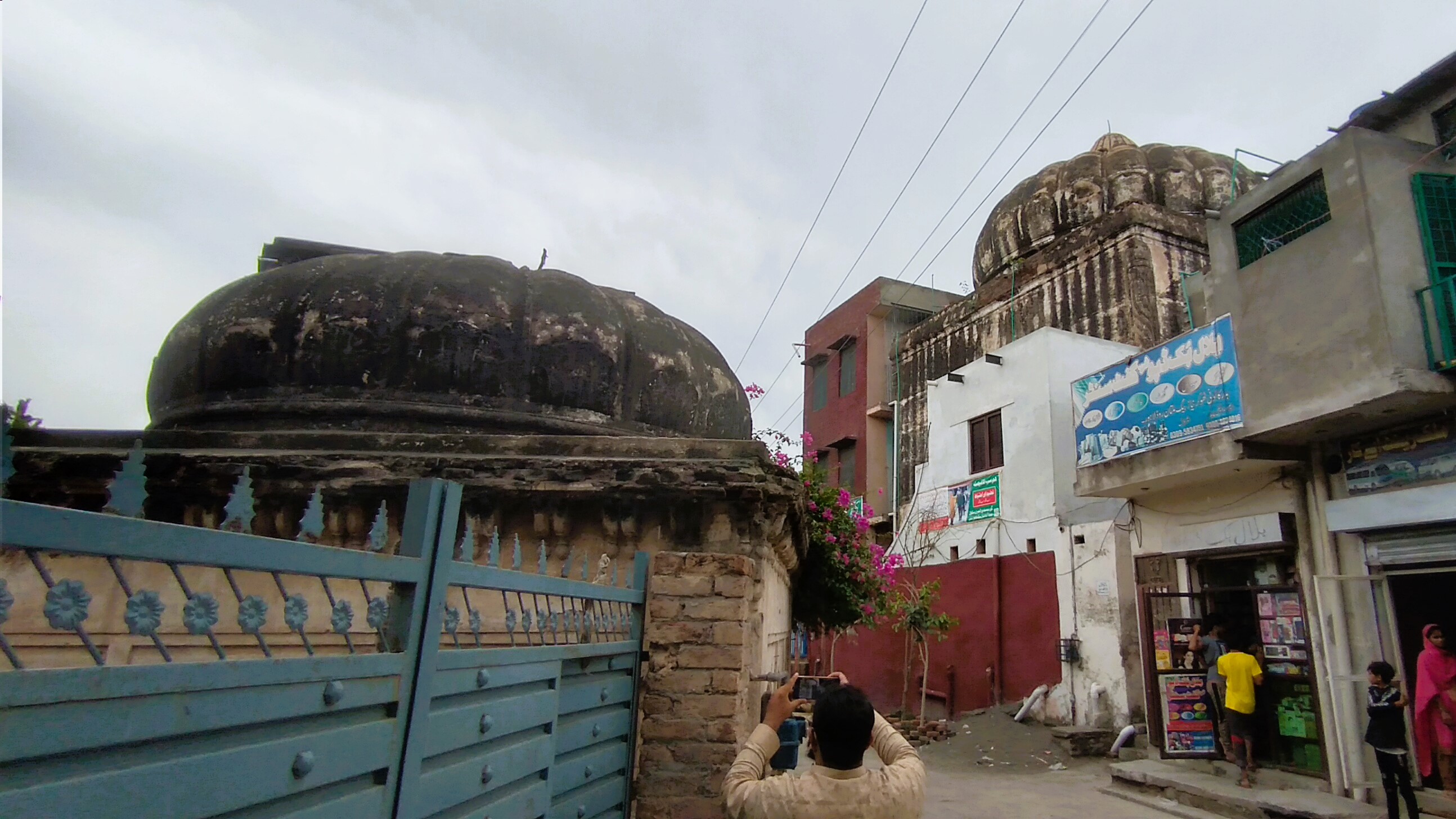
Hidden behind Lahore’s crowded streets and fast-growing suburbs lies a fragment of forgotten devotion – the Bhadrakali Temple, once a center of worship, celebration, and community life. Today, only traces remain of this once-vibrant site, yet its story still whispers through the soil of Thokar Niaz Baig. This narrative forms part of heritage temples Lahore tours, a journey through the city’s layered faiths and timeless architecture.
History: The Origin and Story Behind the Temple
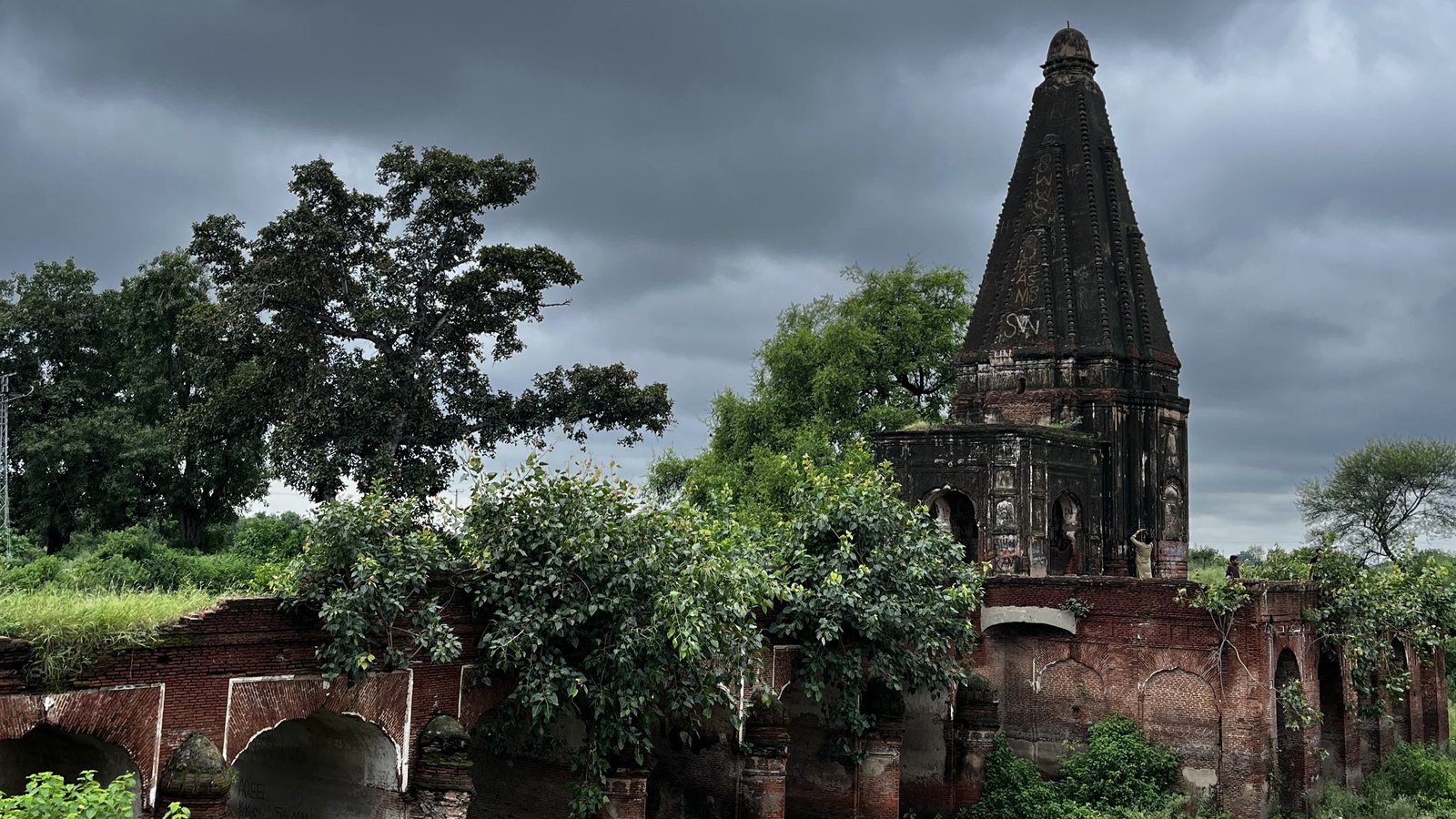
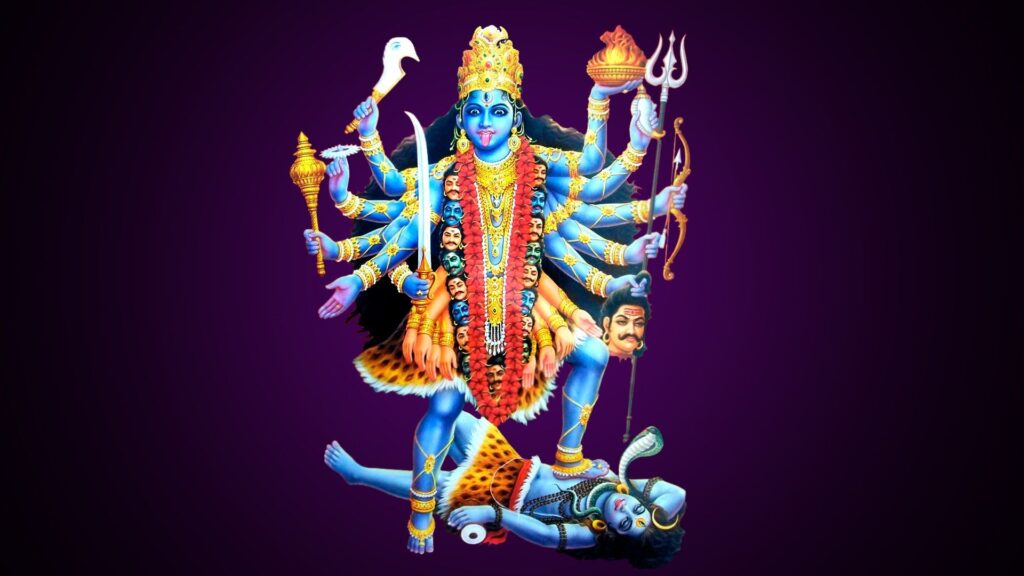
Badr Kali, also known as Maha Kali or Kali Mata Chaminda, is a revered Hindu goddess symbolizing strength, protection, and the power to destroy evil. Across India, many temples are dedicated to her. One such shrine once stood proudly on the outskirts of Lahore, near what we now call Thokar Niaz Baig.
According to Kanahiya Lal’s History of Lahore and the memories of old residents, this area was known as Badr Kal. Each year, a grand Hindu festival was held here, attracting people from surrounding villages. At that time, the place was lush with gardens, ponds, and the fragrance of mango trees. It was an oasis of spiritual life before the modern city expanded around it.
This sacred site was not an isolated case. Across Punjab, from Lahore to Multan, many forgotten temples still speak of shared histories that shaped Punjab heritage tourism in Pakistan.
Architecture: What the Site Reveals
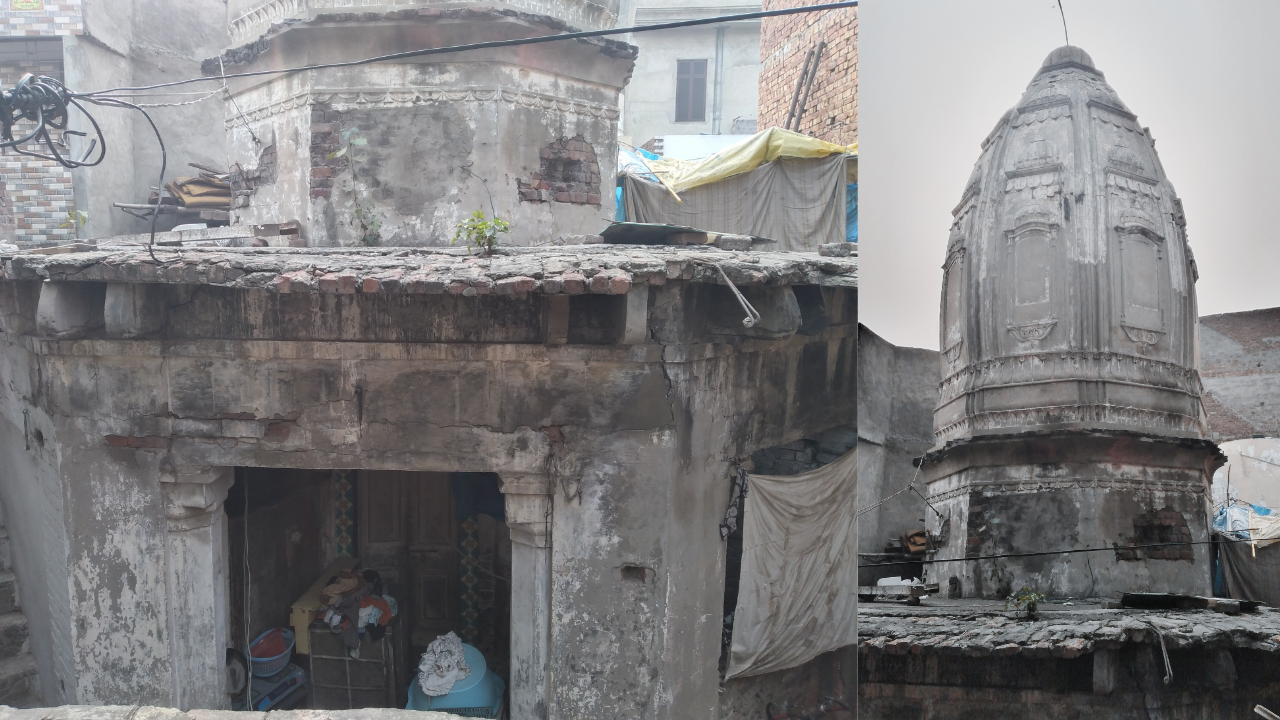
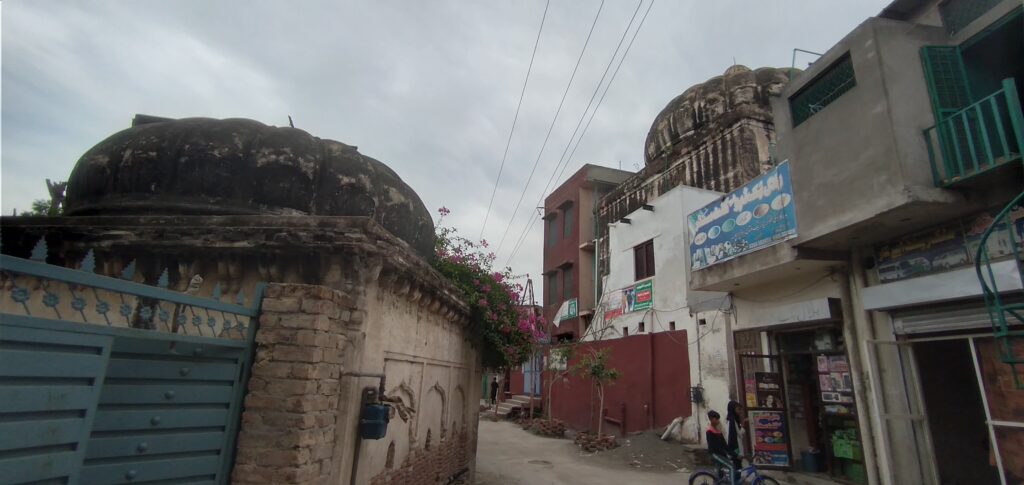
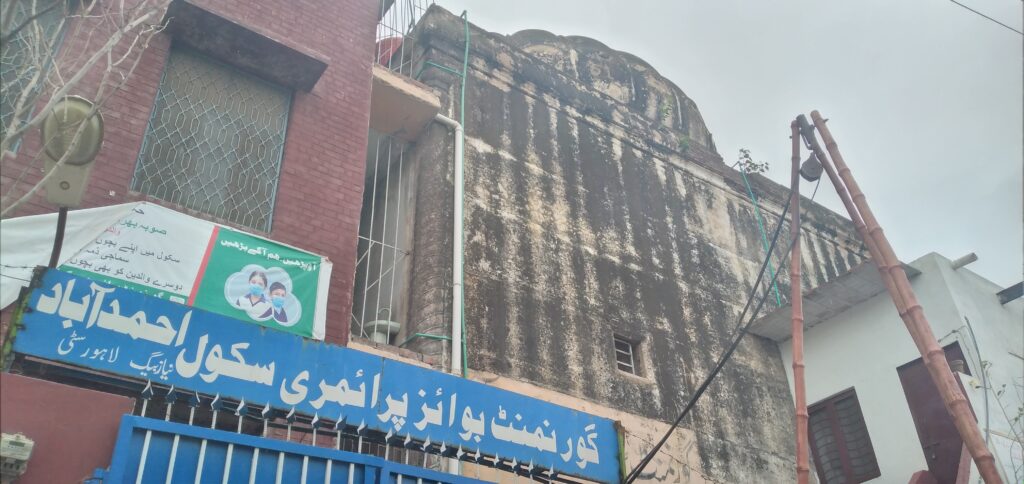
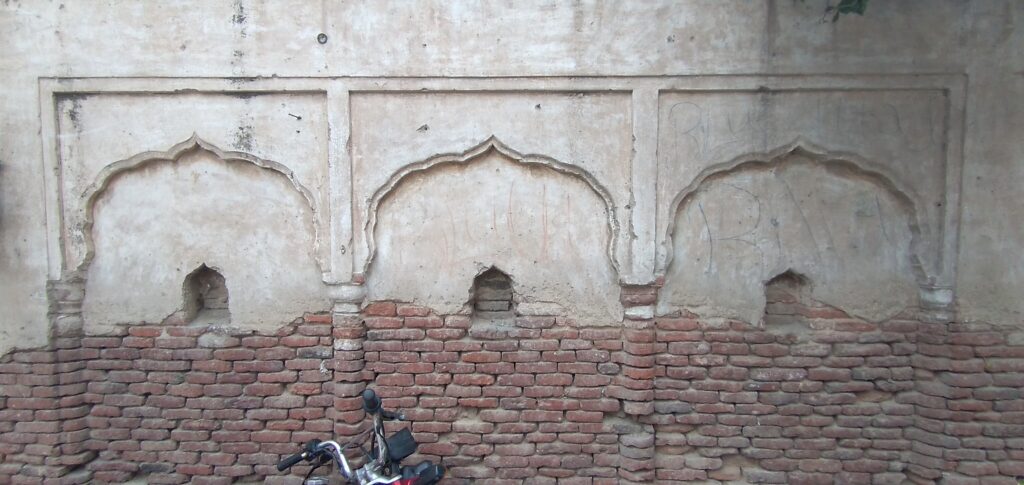
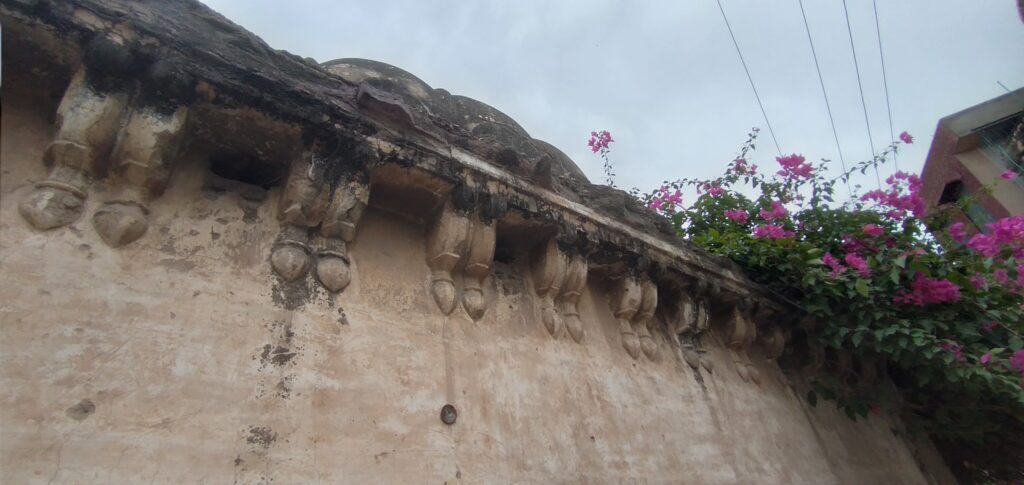
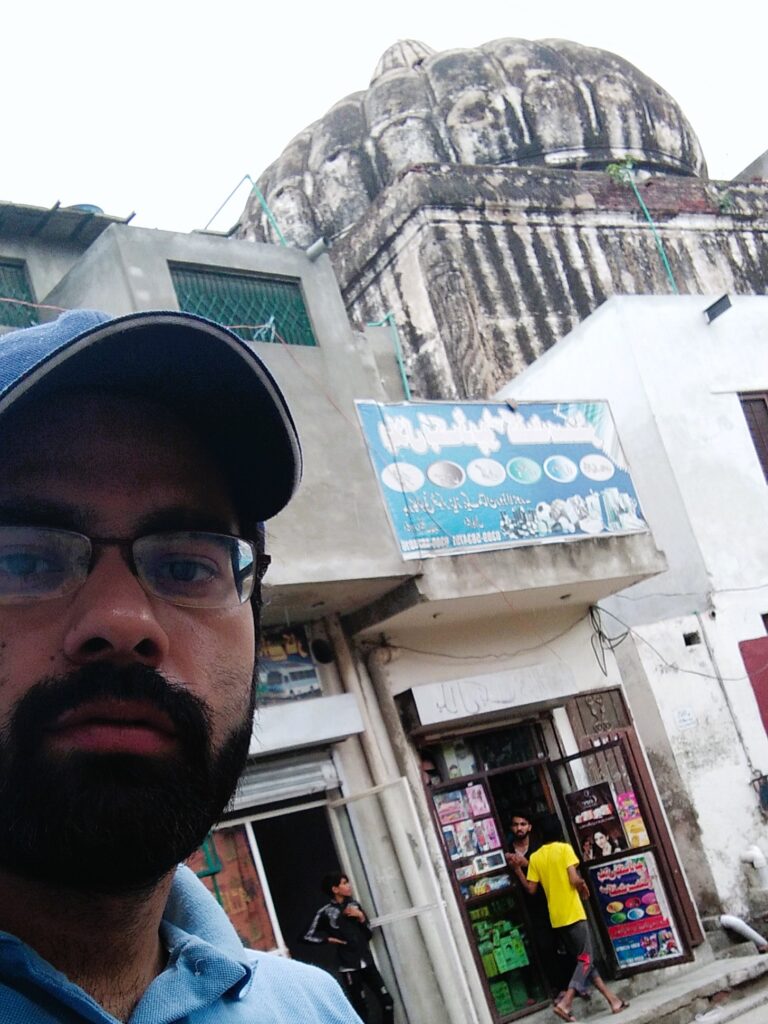
Within the historical region once called Ahmedabad, five temples once stood, each of different scale and design. The largest still stands today, though it has been repurposed as the Government Boys Primary School, Ahmedabad. Despite alterations, some of the original stonework and wall features remain visible.
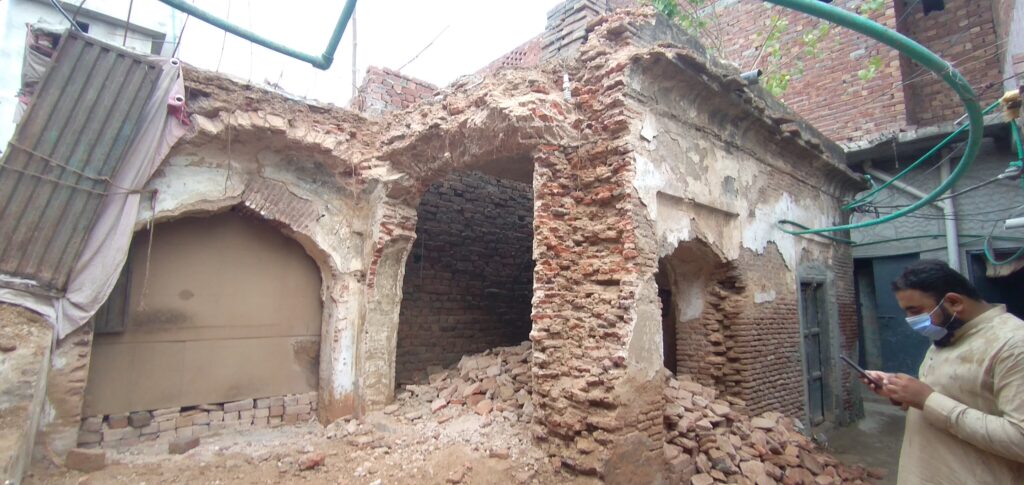
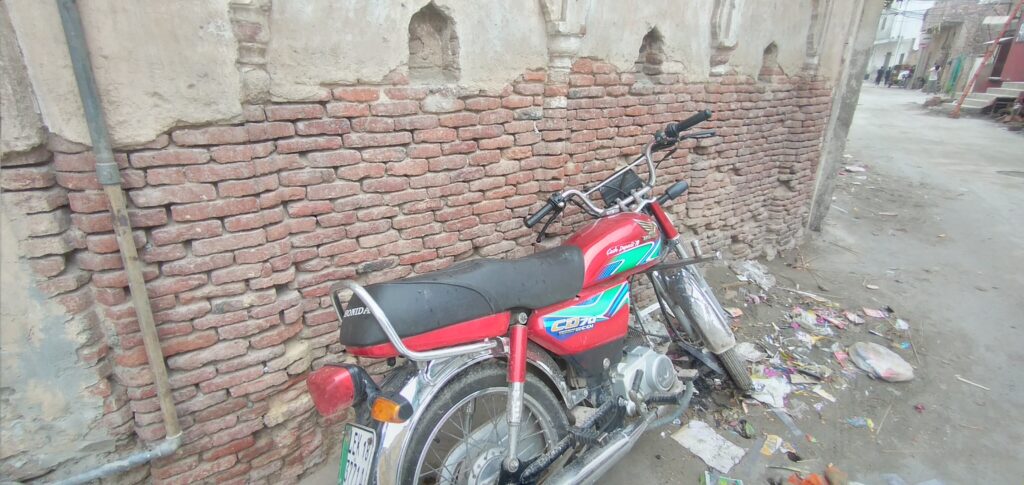
Another smaller temple building survives partially, now absorbed into a private residence. Ancient bricks scattered nearby mark where other shrines once existed. The structure’s traditional Hindu architectural elements – such as carved niches and domed roofs – hint at a once-complex temple layout typical of South Asian temple design.
Exploring such remnants is an essential part of Lahore aerial heritage exploration, where drones and digital documentation help capture what remains of these heritage sites before they vanish completely.
Important Historical Events
Following the Partition of 1947, most Hindu families migrated to India, leaving the temple vacant. Over time, the once-sacred site found unexpected new life as a filming location for Lollywood movies. In the 1986 film Laado, featuring Habib and Neelo, the temple’s walls can be seen in the background of a dramatic fight scene.
Locals recall that the complex and its surrounding gardens became a gathering point for film crews and artists. The echoes of music and dialogue replaced temple chants, briefly turning it into a stage of creative energy before neglect reclaimed it.
Video link
https://www.youtube.com/shorts/1Z8v9ziN2PY
Current Use of the Building
Today, the temple’s main building functions as a school. Its courtyard rings with children’s laughter instead of temple bells. The current principal, aware of its historical value, has preserved fragments of the original structure – a rare act of care in a city where many similar sites have been erased.
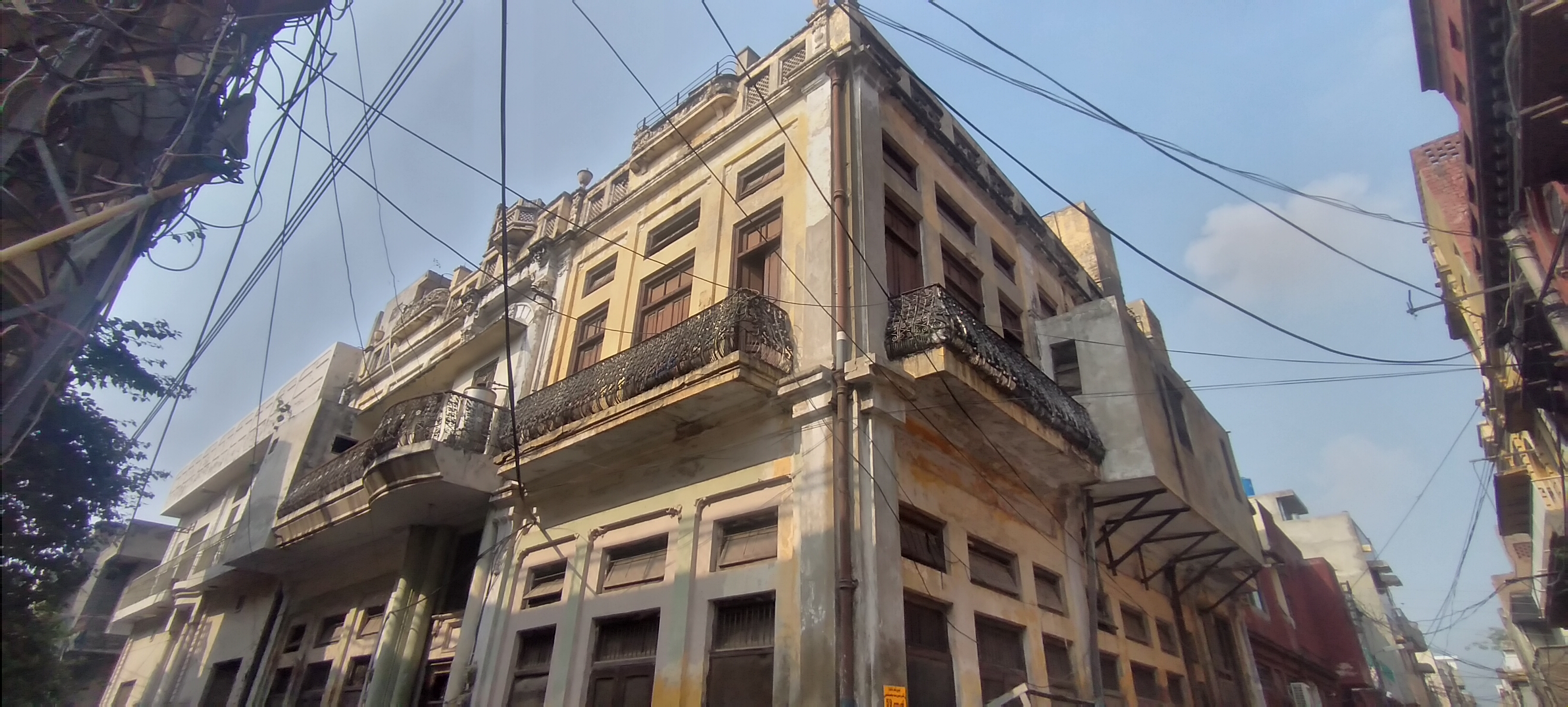
Around it, the remaining temples have vanished, replaced by houses and narrow lanes. Yet every corner of the area still holds stories, if one listens closely enough. Visitors on heritage temples Lahore tours often pause here, reflecting on how faith, memory, and time intertwine within Lahore’s evolving identity.
My Personal Experience
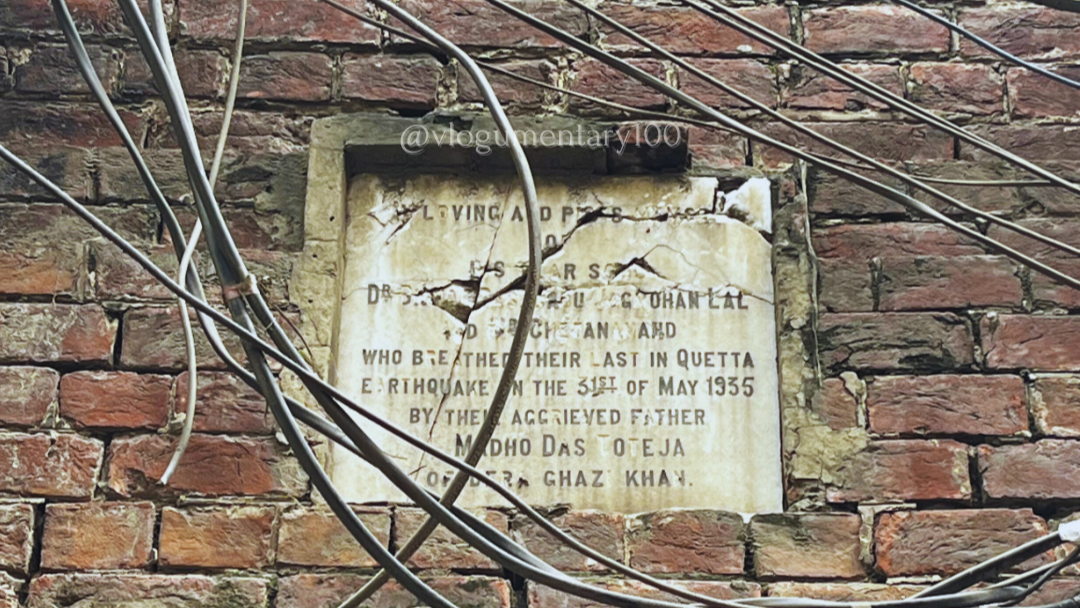
I first visited the Bhadrakali site with my friend and fellow historian Dr. Azeem Shah Bukhari. Later, during another field visit with Umair Hashmi, we explored the area further as part of our Lahore aerial heritage exploration initiative. A child from the neighborhood led us to piles of broken bricks – silent relics of lost architecture. The scene was moving, reminding me how fragile our tangible heritage is.
Standing there, surrounded by new concrete homes and distant traffic noise, I could almost sense the forgotten rhythm of the annual festival once celebrated here. If the temple had not been converted into a school, it too would have likely disappeared without a trace.
This experience reinforces the mission behind Vlogumentary and my ongoing Punjab heritage tourism in Pakistan projects: to document, protect, and revive narratives that risk being buried beneath modernity.
Additional Notes on Research and Legacy
The historian Iqbal Qasir, a respected scholar of Punjabi language and culture, has also researched the history of Niaz Baig and its surroundings. His work preserves the memory of these lost shrines and their role in Lahore’s plural past.
For those who wish to explore more forgotten faiths and sacred spaces, related readings include:
- British Heritage (2)
- Cities (2)
- Hindu Heritage (3)
- Muslim Heritage (7)
- Sikh Heritage (2)
These pieces together form a thematic cluster of heritage temples Lahore tours, guiding readers and travelers through the multi-faith fabric of the region.
Conclusion & Call to Action
The Bhadrakali Temple stands today as a silent witness to Lahore’s shared heritage, a symbol of diversity, memory, and endurance. Visiting such sites is not merely tourism; it is a pilgrimage into the soul of a city that has always embraced many identities.
If you wish to explore such forgotten sites and experience the living stories of our land, join my heritage temples Lahore tours. Together, we can rediscover the city’s hidden layers – from the aerial views that map its sacred ruins to the ground-level tales that define who we are.