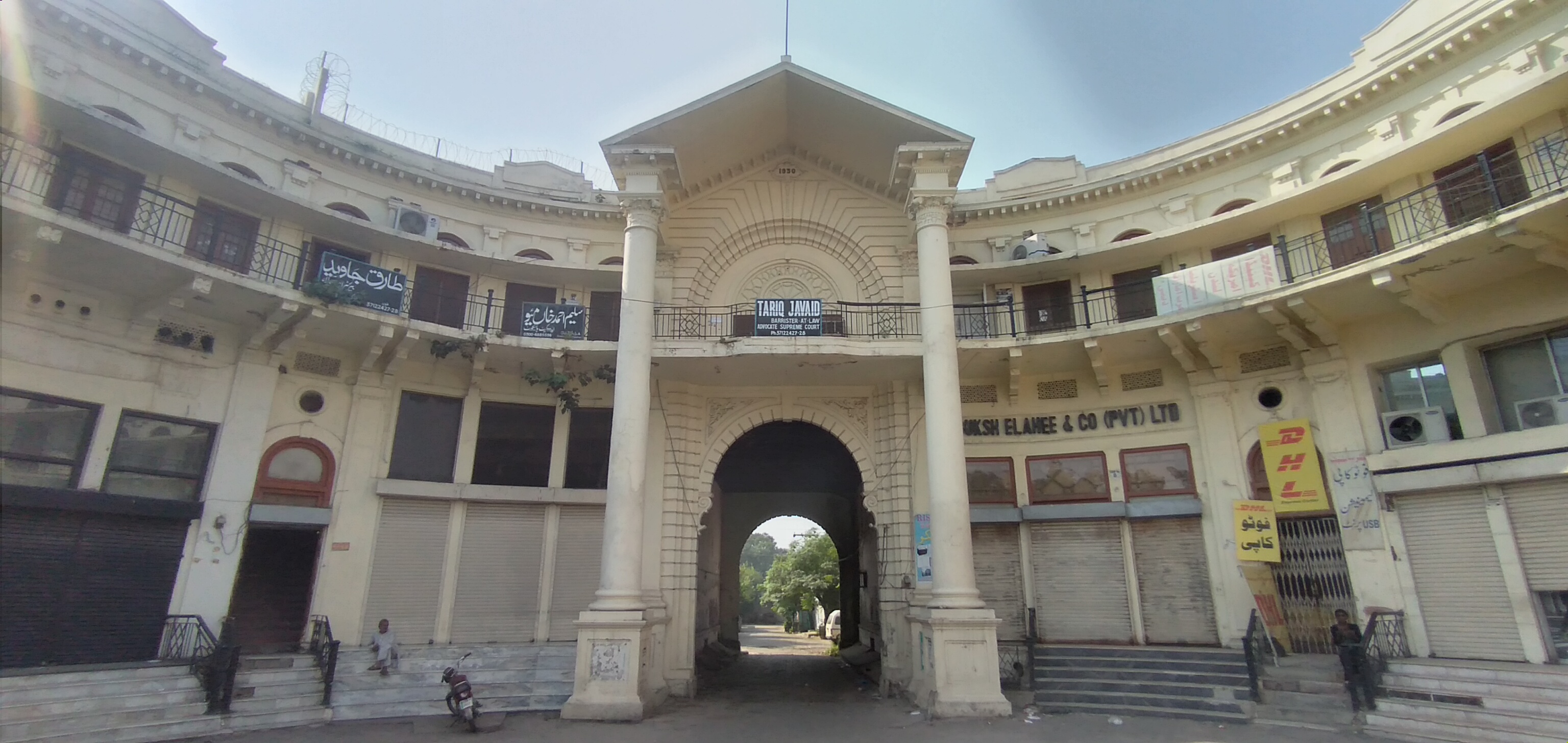
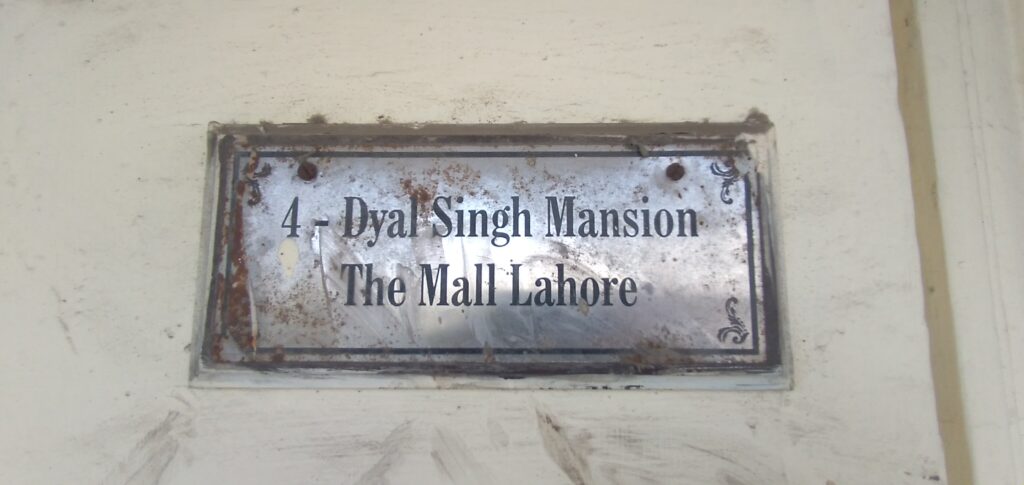
Lahore is a city where every street hides a story. Among these stories, the ones told by its colonial buildings are the most fascinating. If you ever join the Colonial architecture Lahore walking tour, one place you should not miss is the Dayal Singh Mansion on Mall Road.
This mansion is not just an old building. It is a beautiful reminder of how art, culture, and generosity can live together in stone. Every time I walk past its tall pillars, I feel as if the past is quietly greeting the present.
History: Who Was Dayal Singh Majithia and Why This Mansion Matters
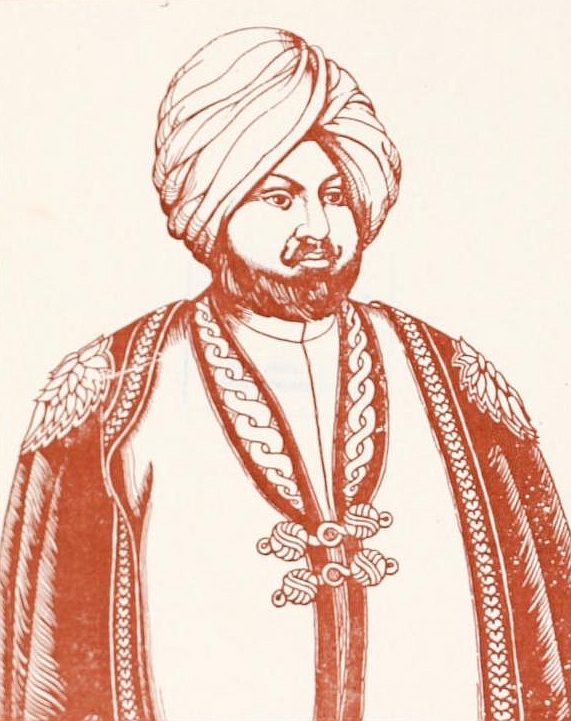
To understand the mansion, you must first know about Sardar Dayal Singh Majithia. He was a nobleman during the Sikh Empire under Maharaja Ranjit Singh. His family served the Sikh army for three generations. Later, Dayal Singh became a well-known businessman in real estate and precious stones.
He was also a kind-hearted man who loved learning. When he passed away in 1898, he donated all his wealth to education. His donations helped create Dayal Singh College, Dayal Singh Library, and the Dayal Singh Trust. These institutions are still serving Lahore today.
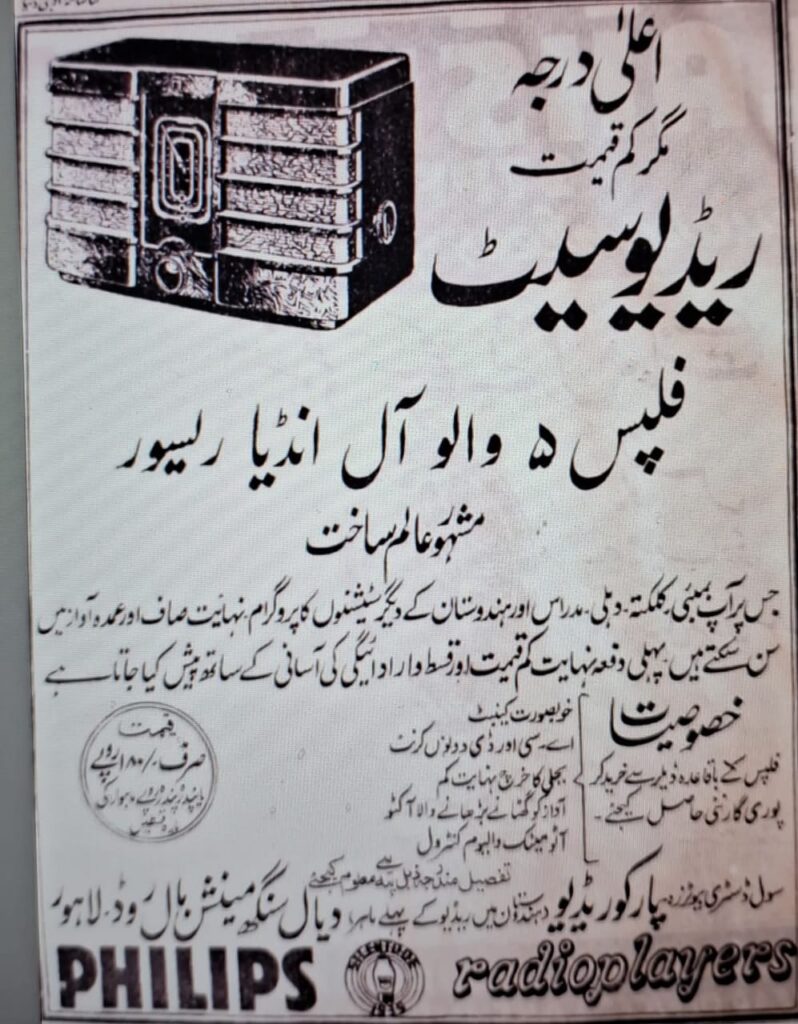
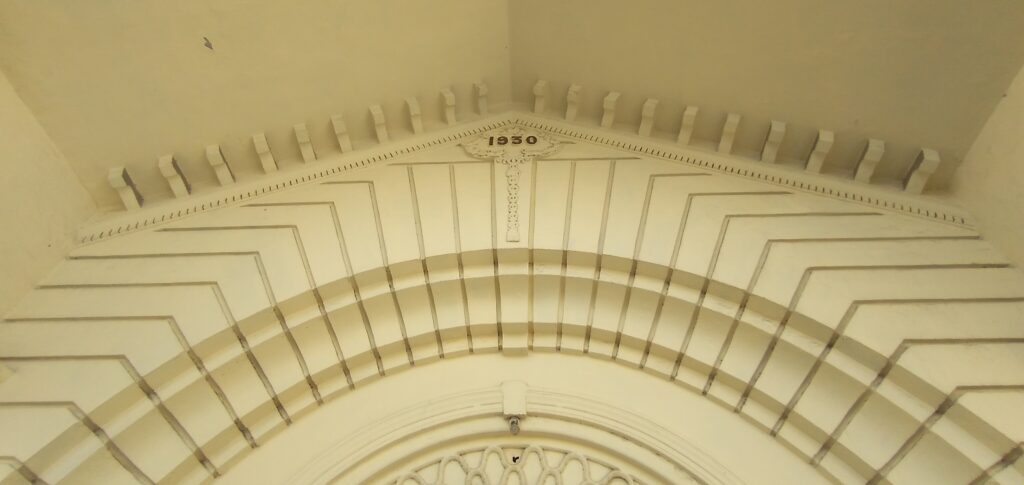
The Dayal Singh Mansion was built around 1930 on Mall Road. It became one of the finest examples of colonial-era architecture in the city.
Architecture: A Blend of Strength and Grace
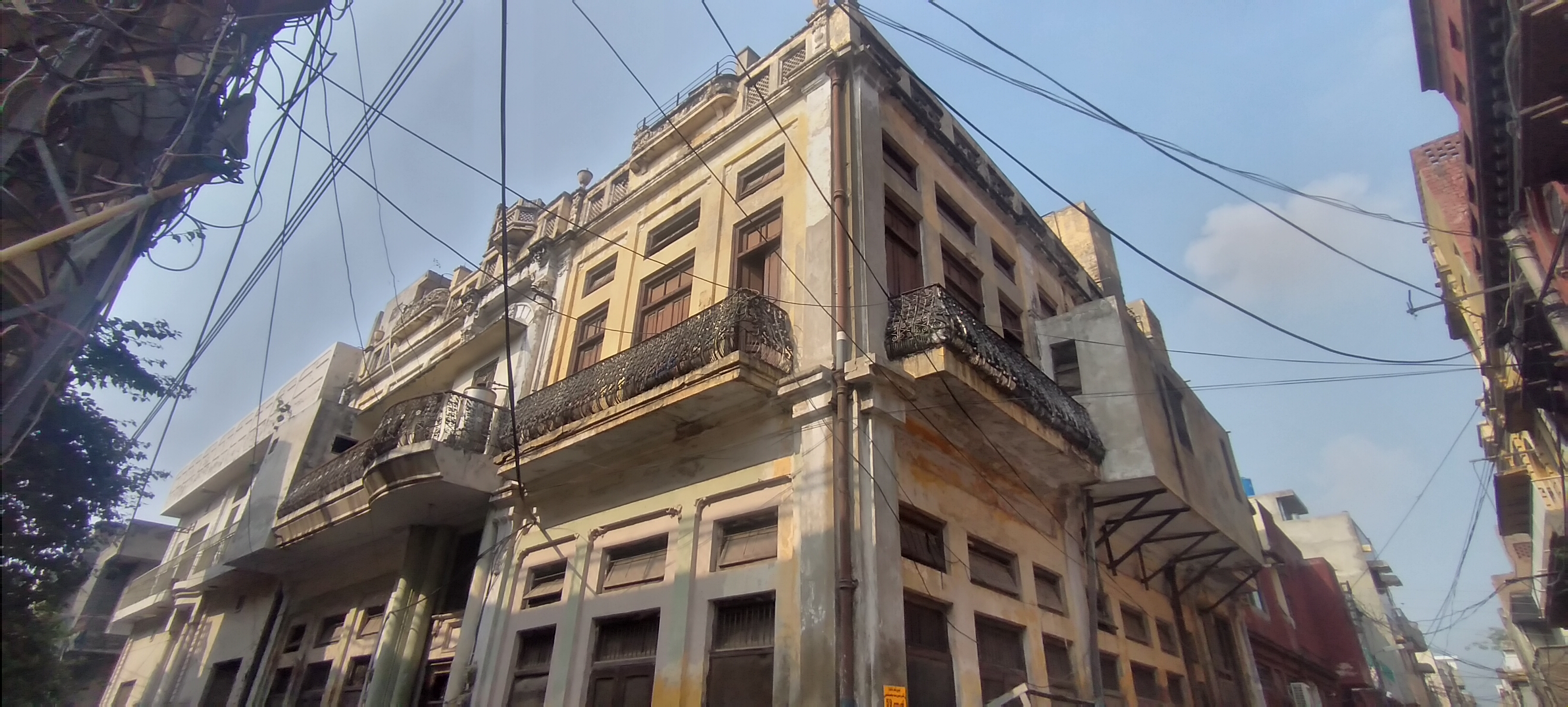
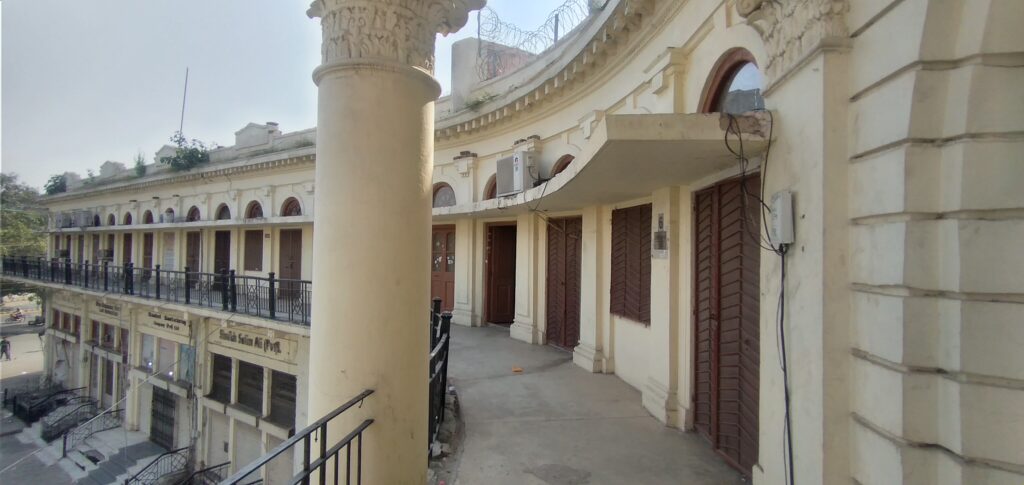
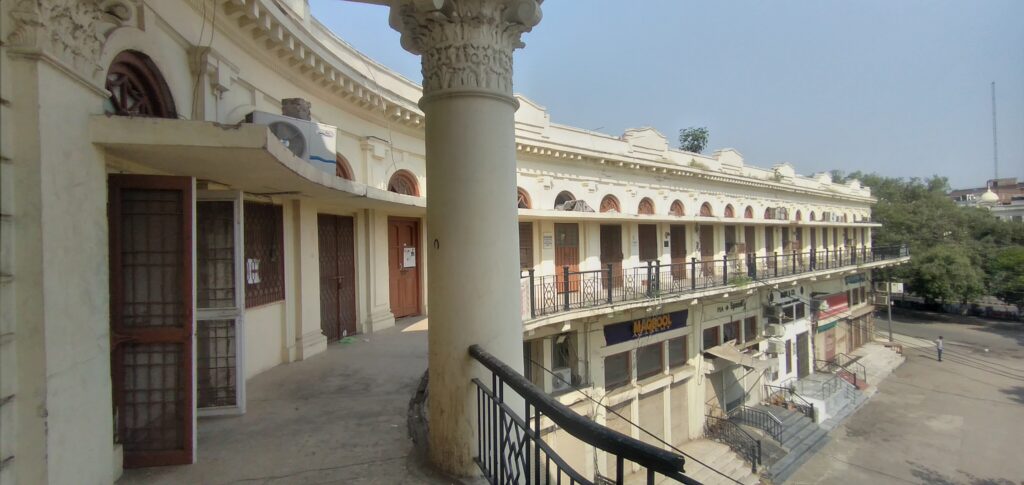
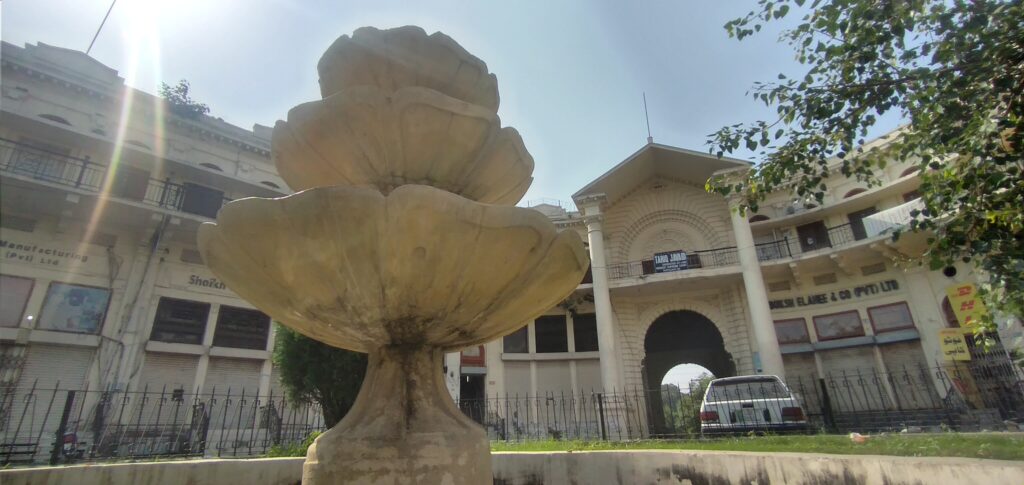
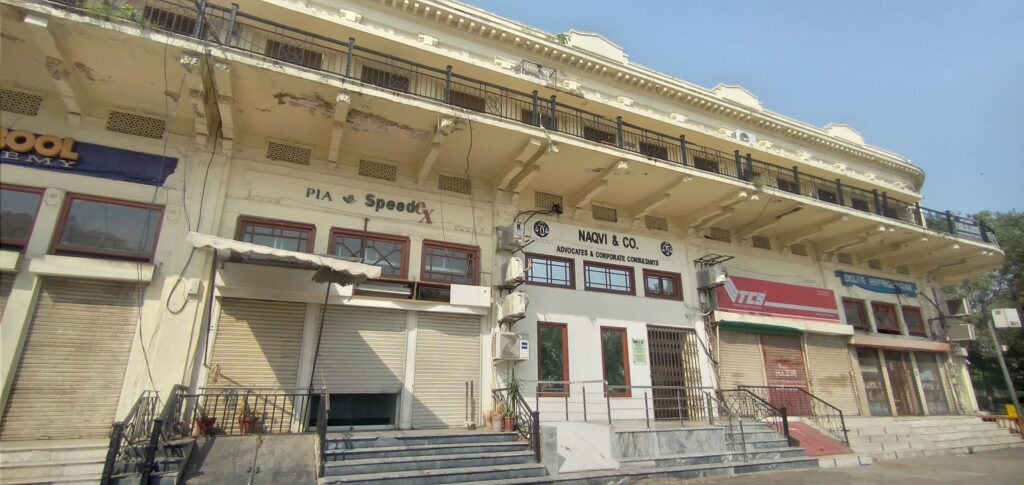
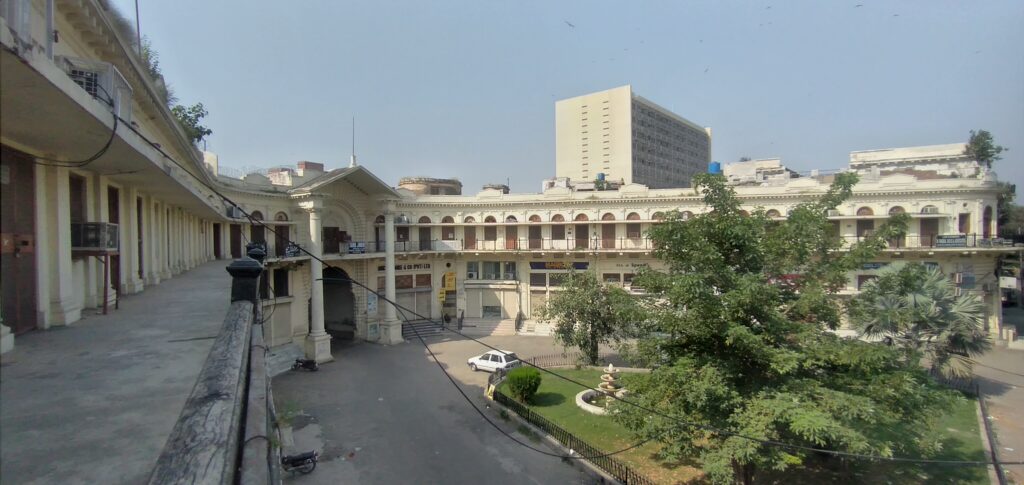
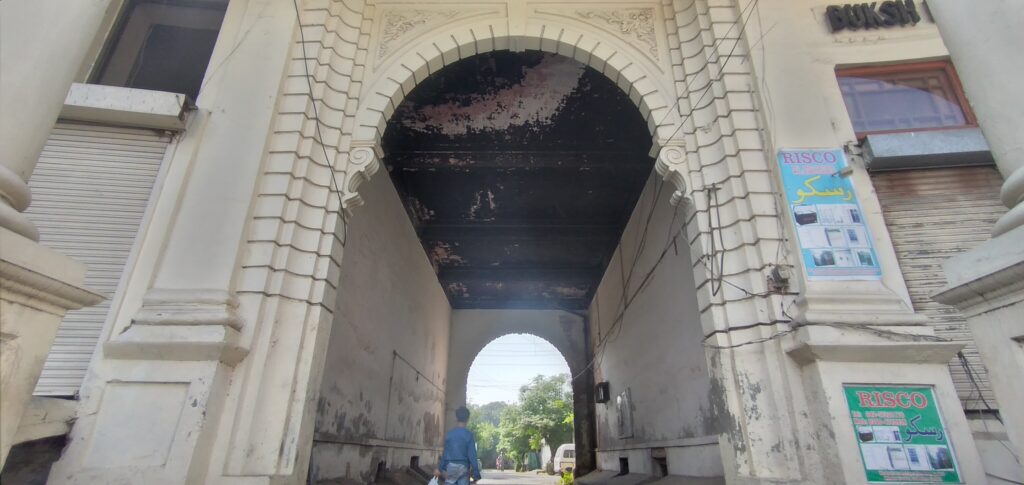
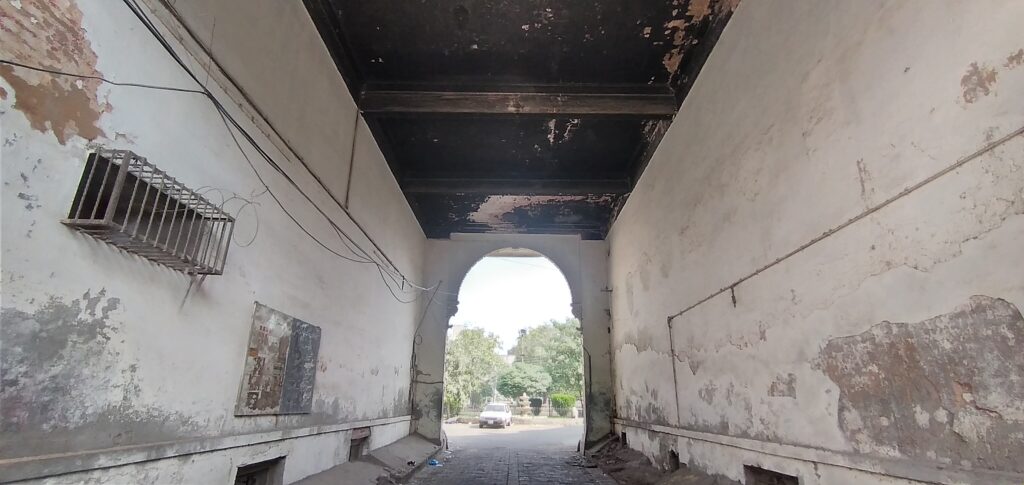
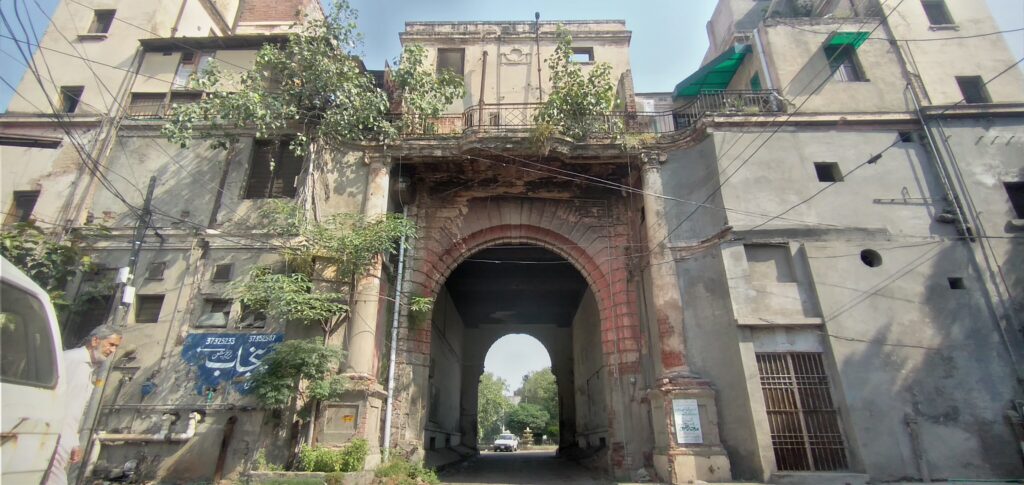
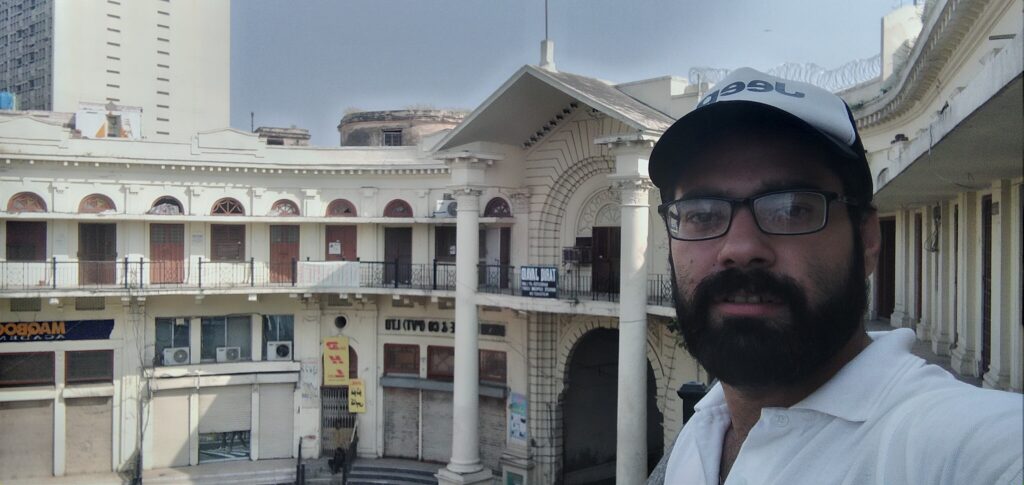
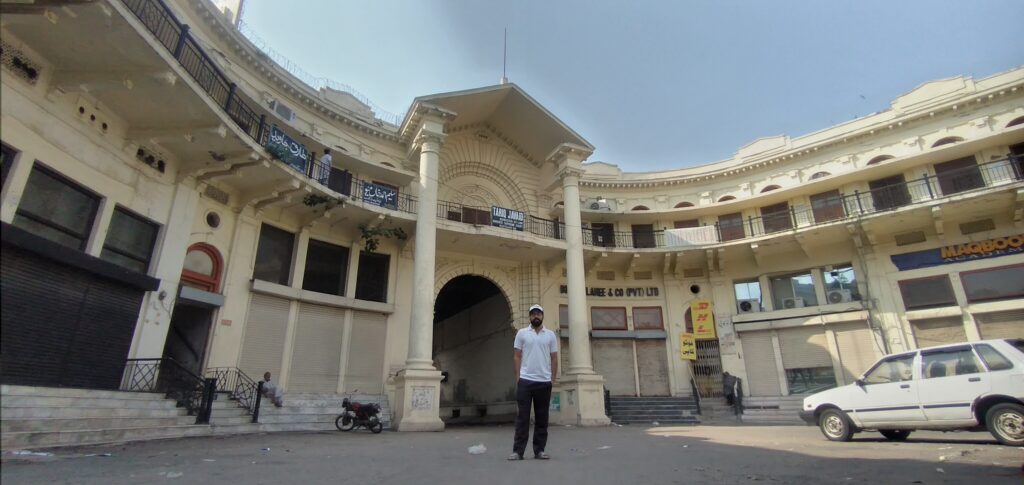
The first thing you notice about the mansion is its V-shaped structure that seems to welcome you with open arms. Its front has tall pillars and a grand passage that looks like a gateway to another time. The design shows a clear mix of classical and neo-classical styles, reflecting both local craftsmanship and foreign influence.
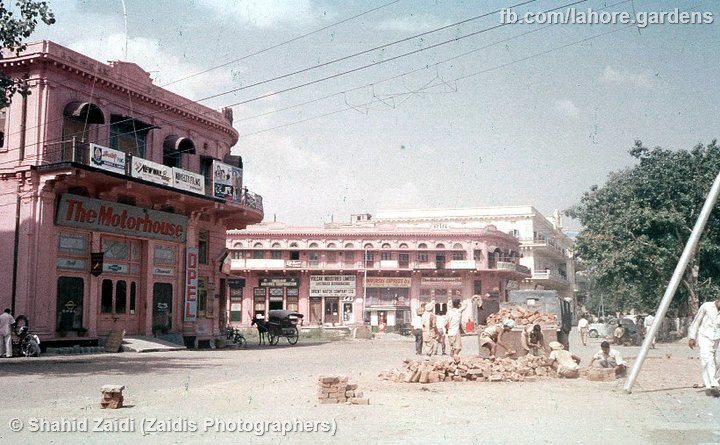
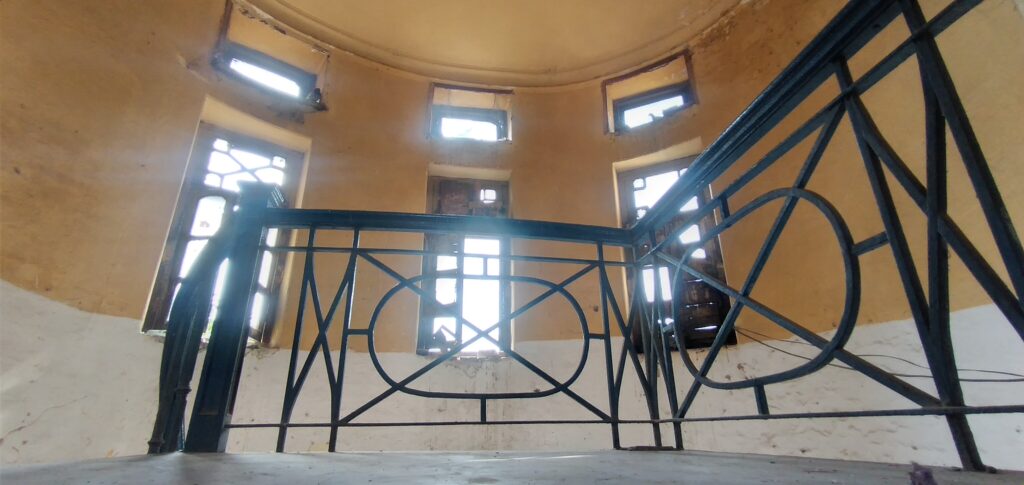
Once, the building was painted a soft pink color. Today it stands in white, but its charm remains. The iron grills, carved pillars, and fine details still carry the grace of its original form. The year 1930 is engraved on the building, marking its birth in an age of elegance.
If you join the Colonial architecture Lahore walking tour, this building helps you see how architecture can tell stories without words.
Important Historical Events
The mansion has seen both proud and painful moments. Years ago, a fire damaged part of the building. Some restoration work was later carried out by the Walled City of Lahore Authority, but much of it still needs care.
For a long time, the building was home to offices, shops, and lawyers’ chambers. In front of it lies a small triangular park with a historic fountain. During the colonial period, this was a favorite meeting spot for officers and merchants. If you stand there today, you can almost imagine carriages rolling by and people sharing news under the shade of the trees.
Current Use of the Building
Today, the ground floor of the Dayal Singh Mansion is filled with offices and commercial spaces. The upper floors still hold traces of its old charm, though they are slowly fading. The paint is peeling, and the back of the building is in need of repair.
Some efforts have been made to restore the façade, but the rear part remains neglected. Yet, even in its worn state, the mansion continues to be one of the most striking heritage buildings on Mall Road Lahore.
Personal Experience
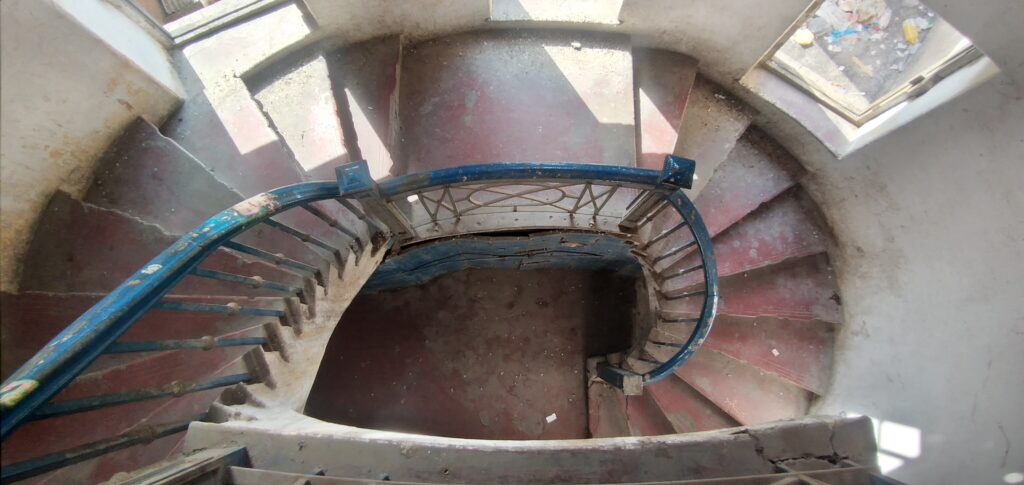
As an archaeologist and tour guide, I have visited this building many times during the Colonial architecture Lahore walking tour. Each visit feels like meeting an old friend. I notice something new every time, whether it is the shape of a balcony, the curve of a staircase, or the pattern on a pillar.
I often see children playing cricket in the small park in front of it. Their laughter fills the same air that once carried the sounds of empire and ceremony. It reminds me how history and life continue side by side in Lahore.
When I walk up its narrow staircase, I can still feel the texture of the red stone and hear the echo of footsteps from another century. The mansion may have aged, but it has never lost its spirit.
Additional Notes and Related Heritage Spots
The Dayal Singh Mansion is part of a larger story that stretches along Mall Road. This road is like an open museum of colonial heritage.
If you are interested in exploring more, you can read about the following related places:
- British Heritage (1)
- Cities (2)
- Hindu Heritage (3)
- Muslim Heritage (7)
- Sikh Heritage (1)
These places, together with the mansion, form the heart of the Colonial architecture Lahore walking tour and give a complete picture of the city’s historical transformation.
If you want to see history come alive, join our Colonial architecture Lahore walking tour. Walk with us through Mall Road, stand before the Dayal Singh Mansion, and hear stories that shaped the city we see today.
Let the stones speak, the wind whisper, and the past unfold around you.
Book your heritage tour now at saadzahid.co and experience Lahore through the eyes of time.