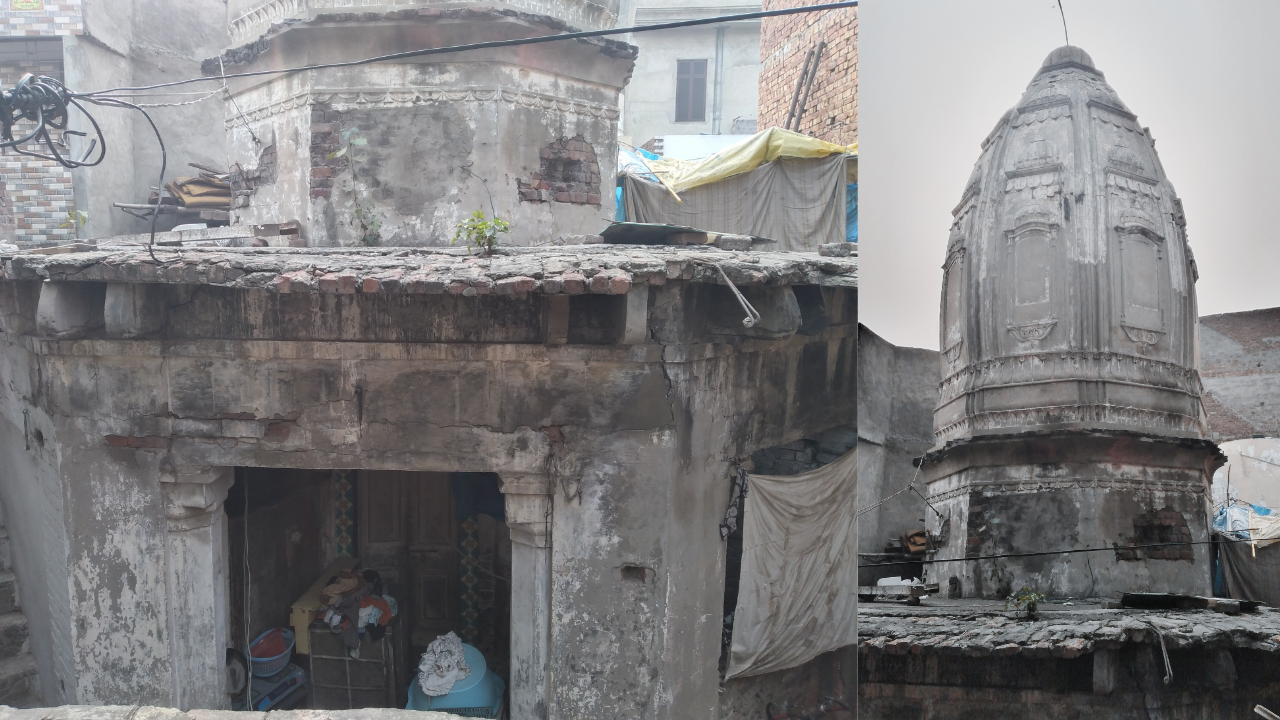
The Arya Samaj Temple Lahore is one of the city’s most hidden and overlooked heritage sites. Located quietly in the streets of Islami Park, this small temple carries deep stories of faith, migration, and change. It was built in 1937 and still stands today, though its surroundings have completely changed. I first heard about it from local residents who told me that their families have lived here since the early years after Partition. The temple is no longer used for worship, but its history still whispers through every brick and corner.
History
Who built it: This is not a very old temple, it was built some time ago in Pakistan, so there is no definitive or confirmed information about it. According to local stories, the temple was built by the Arya Samaj community, which was active in Lahore before 1947.
When: It was completed in 1930’s approx. just a few years before Partition.
Where: The temple is in Islami Park, an area that was once known as Arya Samaj, a neighborhood where many Hindu families lived before they moved to India.
What: The Arya Samaj Temple Lahore was round in shape and had two large entrances. Inside were idols of different Hindu deities, especially Lord Ganesh, which was said to be very special.
Why: The temple was a place for prayer, celebration, and peace for the Hindu community of Lahore.
How: After 1947, when families moved to India, new settlers from Ferozepur in India came to Lahore and began living inside the temple. Among them was the family of Munawar Sahib, who still lives here today.
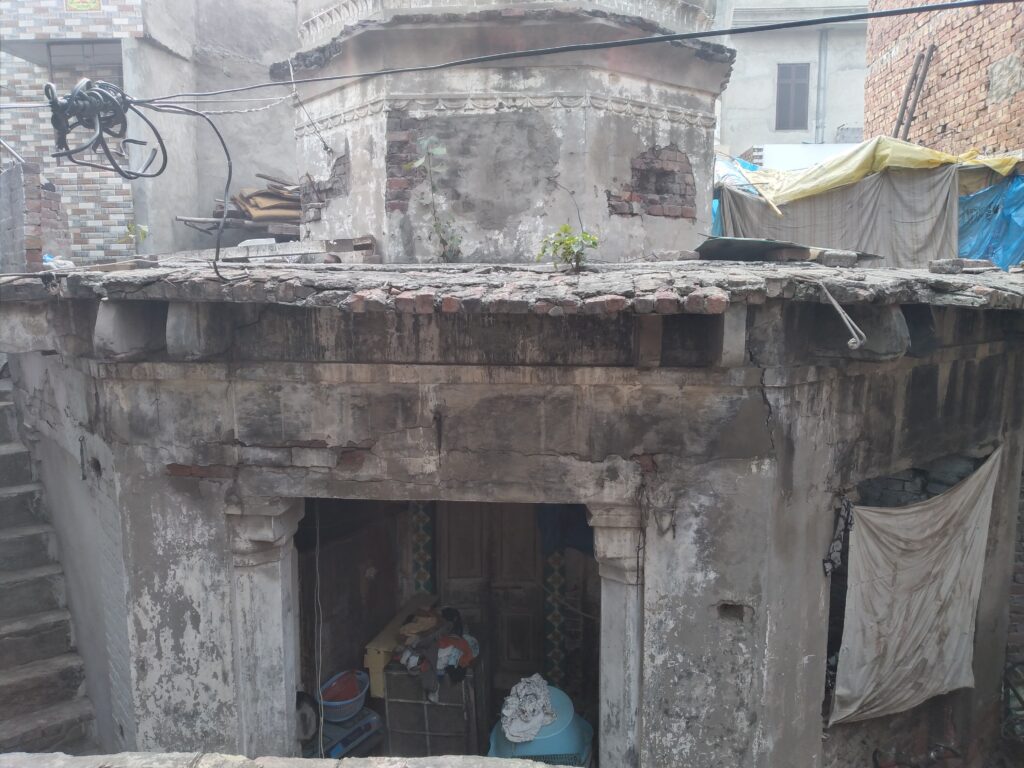
Architecture and Design
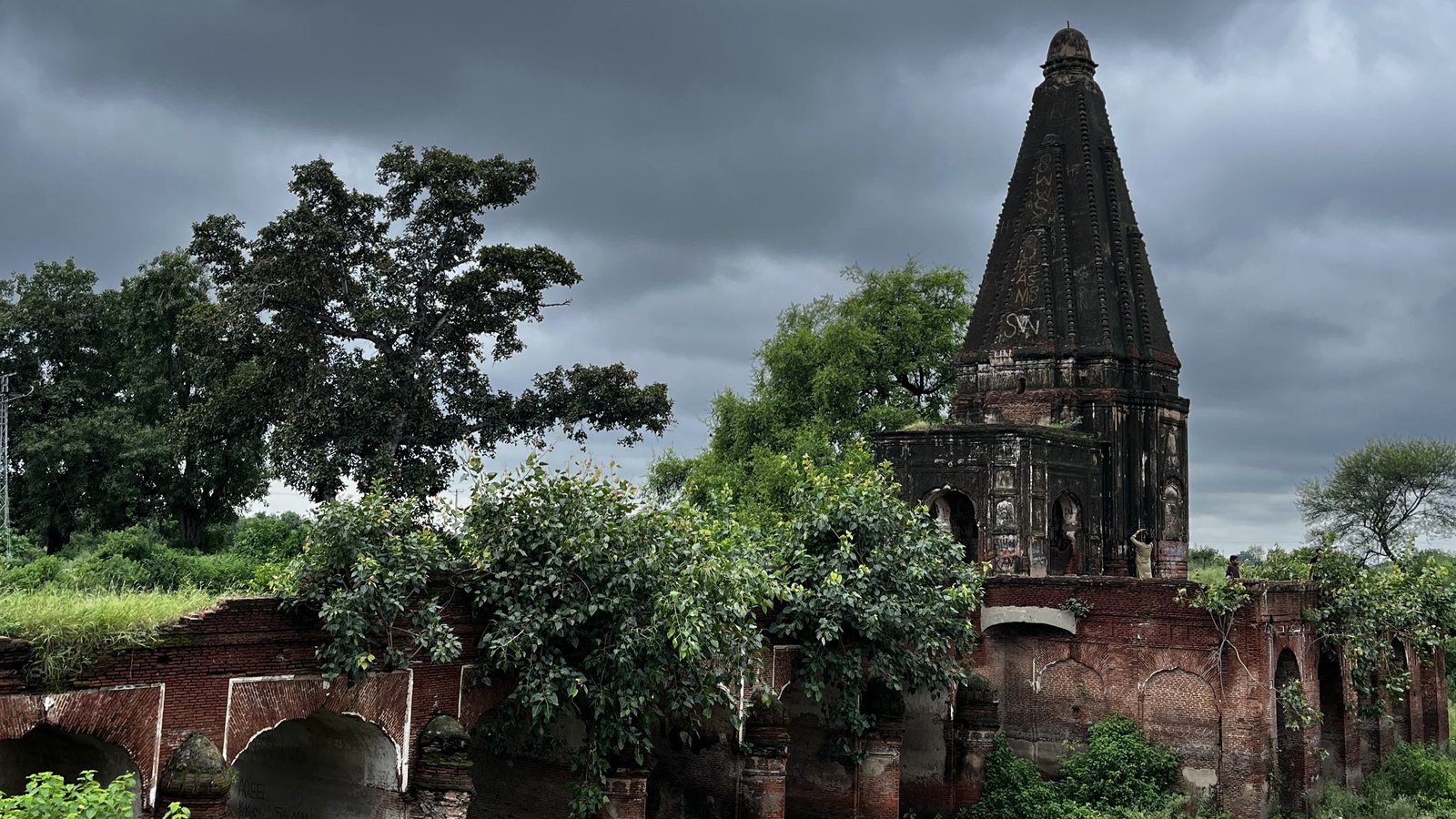
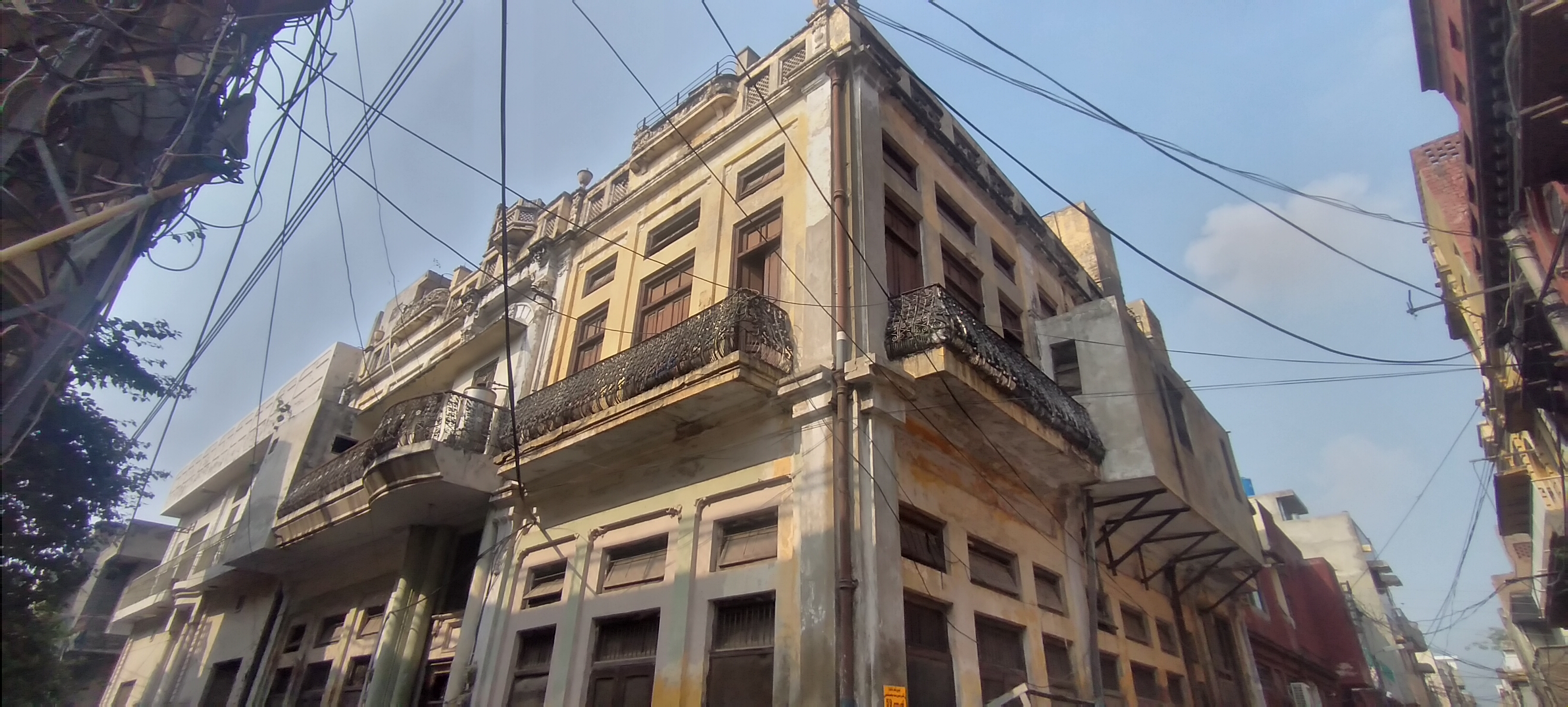
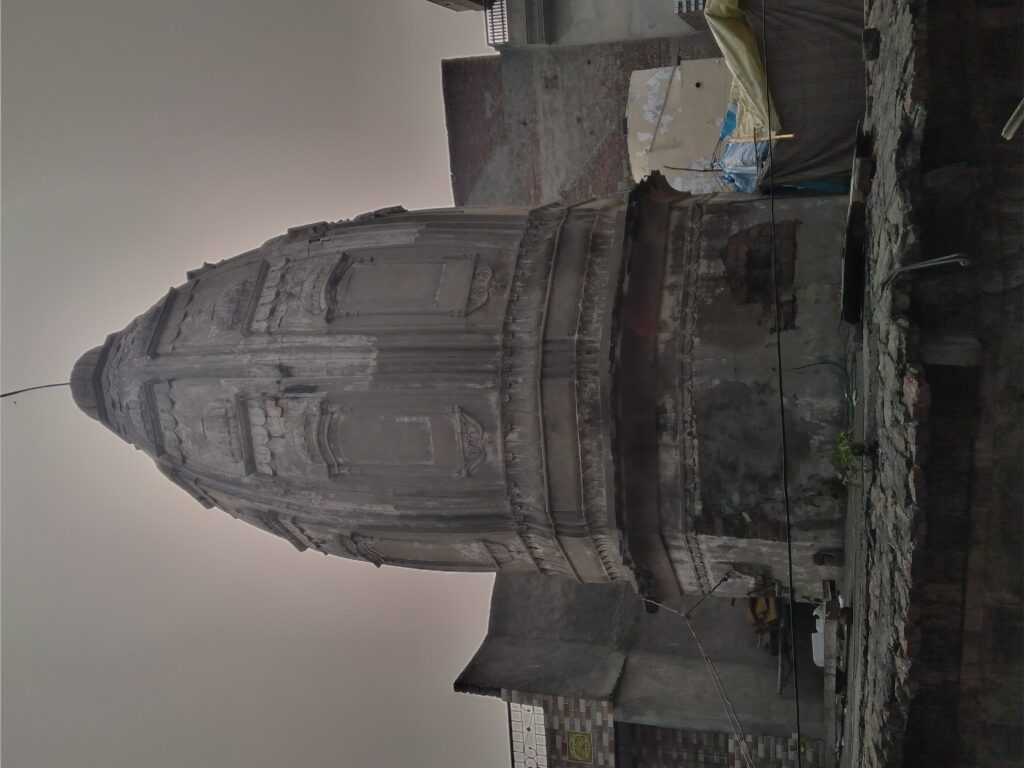
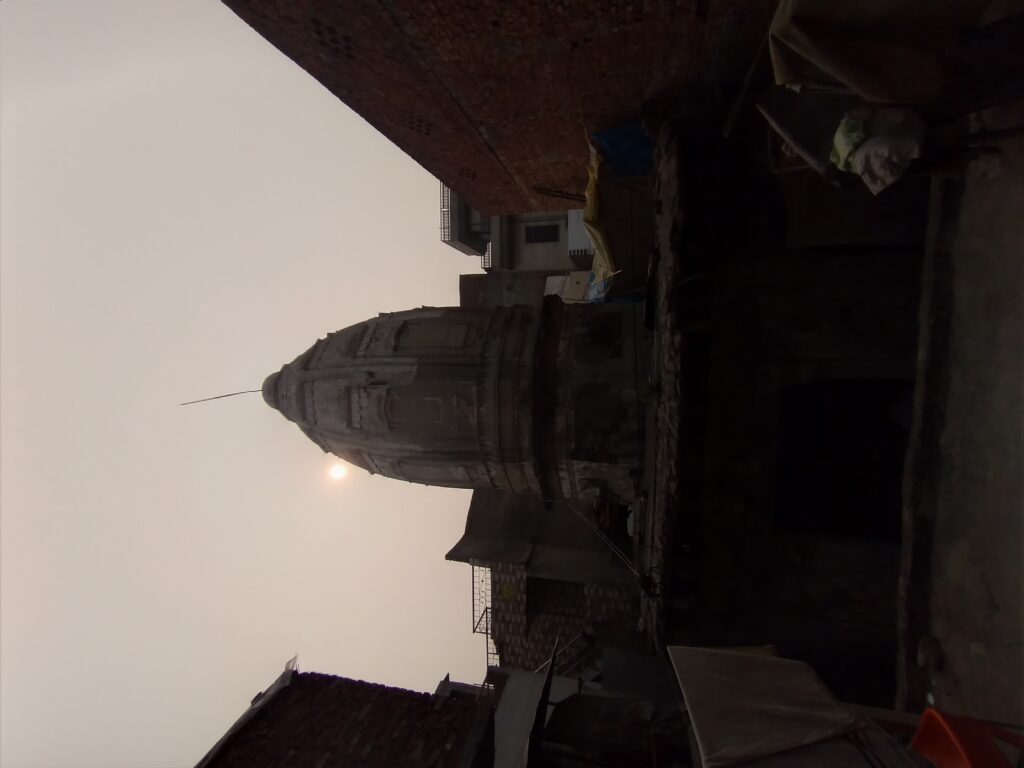
The Arya Samaj Temple Lahore has a beautiful circular shape. It once had two big entrances, and a tall shikara (spire) that rose over the main chamber. Only the shikara can now be seen from the outside, as the rest of the structure is surrounded by nearby houses.
Its walls are made of large pre-Partition bricks that keep the inside cool in summer and warm in winter. Old green tiles and lotus flower designs can still be seen in parts of the interior. The mandap, or prayer hall, no longer exists, and the top part of the shikara has also been removed.
Some local people also believe a treasure is buried under the temple floor, a story that often surrounds old heritage buildings in Lahore.
Historical Events and Decline
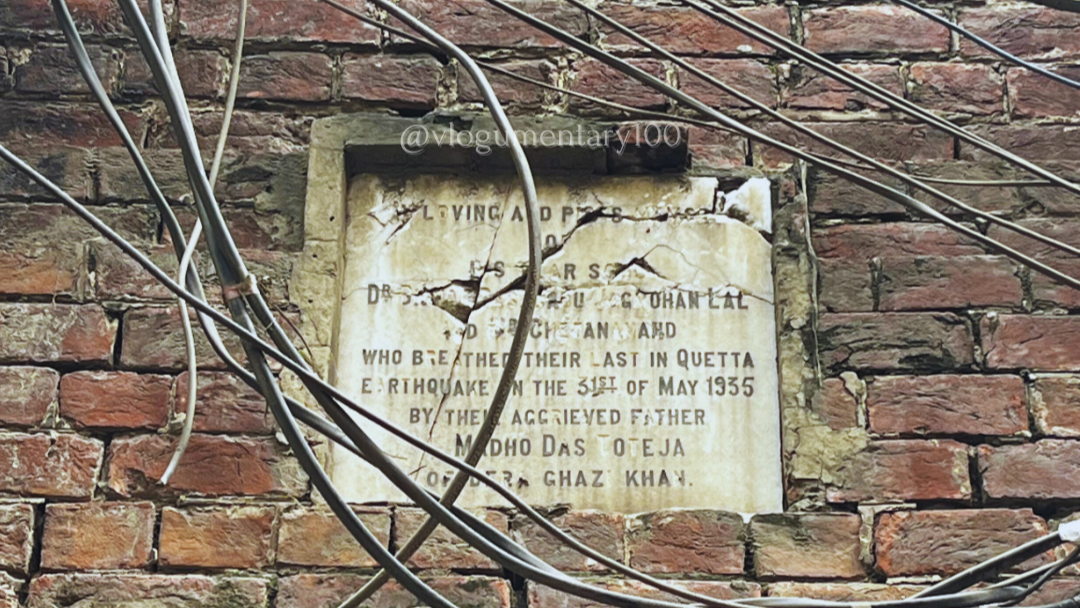
The temple’s decline began soon after the Partition of 1947. When Hindu families left for India, the temple was left empty and later became a home for new settlers. In the early 1990s, during the Babri Masjid incident in India, this temple was also damaged by anger and emotion. The marks of that time can still be seen on its outer walls. Despite all this, the building remains strong, showing the excellent craftsmanship of the people who built it nearly ninety years ago.
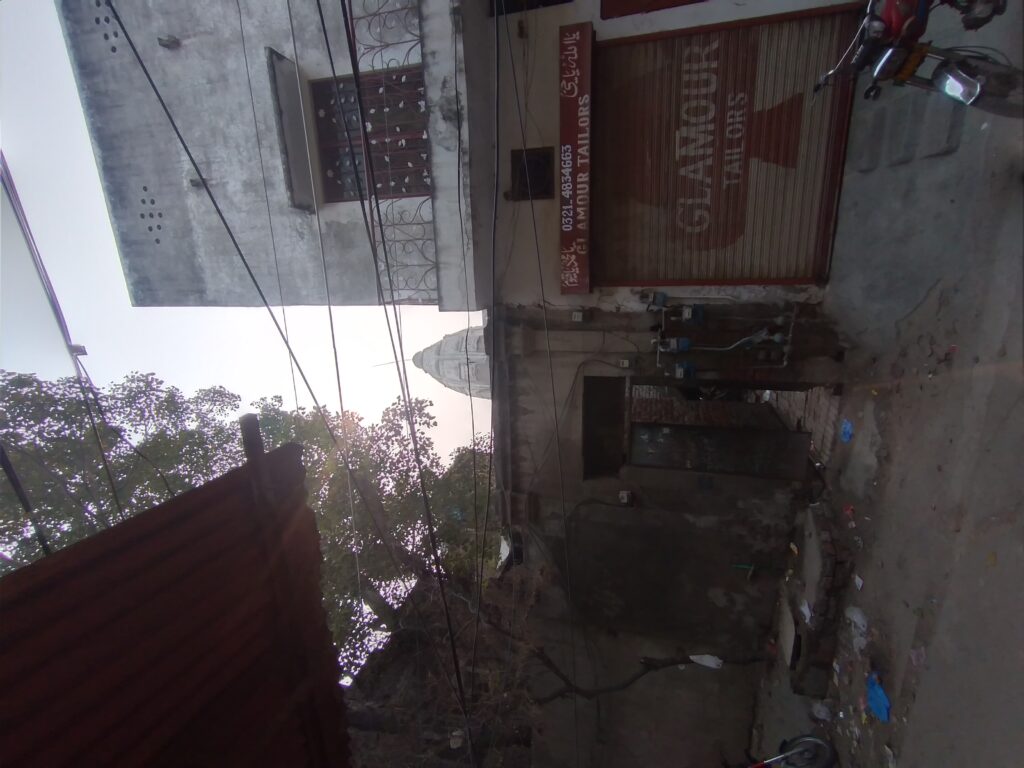
Current Use and Condition
Today, the Arya Samaj Temple Lahore is a private residence. Visitors cannot go inside because the family living there guards their privacy. From the street, one can only see the old shikara standing above the rooftops.
Inside, the structure is still strong. The stone floor is said to be so hard that it could not be broken. Its walls remain thick and cool, preserving a part of the city’s forgotten past.
This temple shows how Lahore’s sacred spaces have changed over time but continue to carry spiritual meaning in new ways.
My Personal Experience
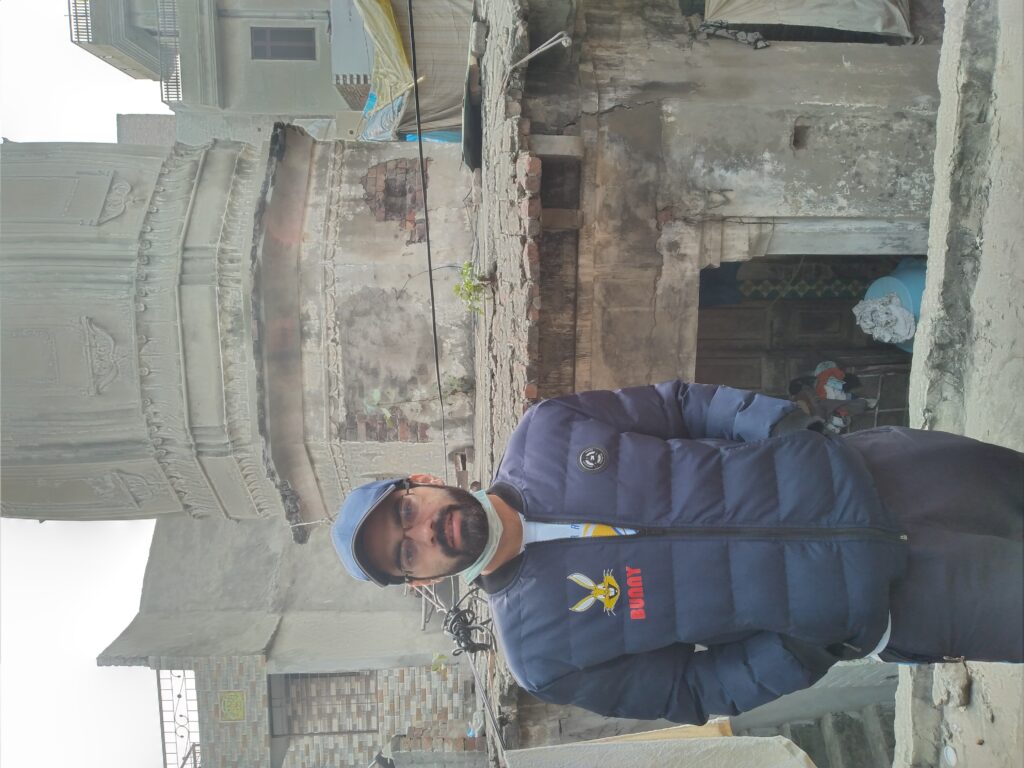
When I visited the temple, I met Munawar Sahib and his son Umar Khan, who shared the temple’s history with me. Their family migrated from Ferozepur and found shelter here soon after Partition.
Because this building is their home, I could not go inside or take photos. But standing outside, I could feel a deep sense of peace and sadness together. The faded green tiles, the strong walls, and the calm surroundings made me imagine the prayers that once filled this space.
It reminded me that Lahore is full of hidden stories waiting to be told.
Cultural and Historical Importance
The Temple is more than just a building. It is a reminder of how Lahore once belonged to many faiths. It stands with other heritage sites like the Krishna Mandir on Ravi Road and the Valmiki Temple near Neela Gumbad as part of a shared cultural history.
Each of these sites helps us understand how faith and art once shaped the character of this great city.
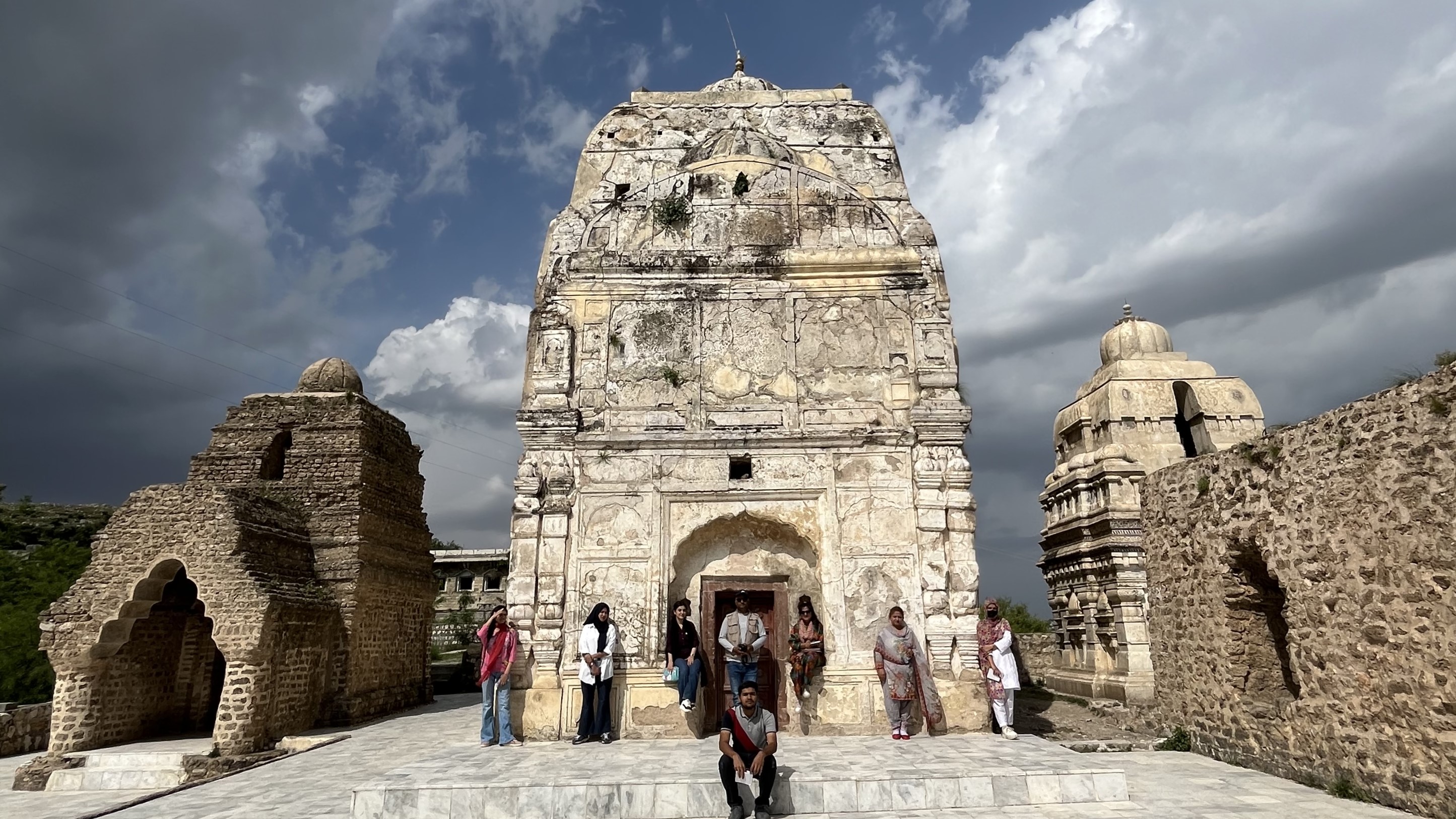
(Explore related reads: Heritage Tourism Pakistan – Exploring the Sacred Katas Raj Temples)
Preservation and Awareness
Though small and almost forgotten, the Temple Lahore is an important part of our story. It connects us to a time of harmony and shared community. By documenting and visiting such sites, we can keep these memories alive for future generations.
Each photograph, each story, and each visit adds to the effort to protect our collective heritage.
The Temple Lahore reminds us that every wall and every stone in this city holds a story. Though time has changed its purpose, the temple still speaks of peace and history.
If you wish to explore this hidden temple and other forgotten places of Lahore, I warmly invite you to book a customized heritage tour with me. Together, we can walk through time and discover stories that deserve to be remembered.
Follow Vlogumentary on all platforms to stay connected with Pakistan’s living heritage and join me, Saad Zahid, in bringing these stories back to light.