A Forgotten Mughal Stepwell Beneath the City’s Silence
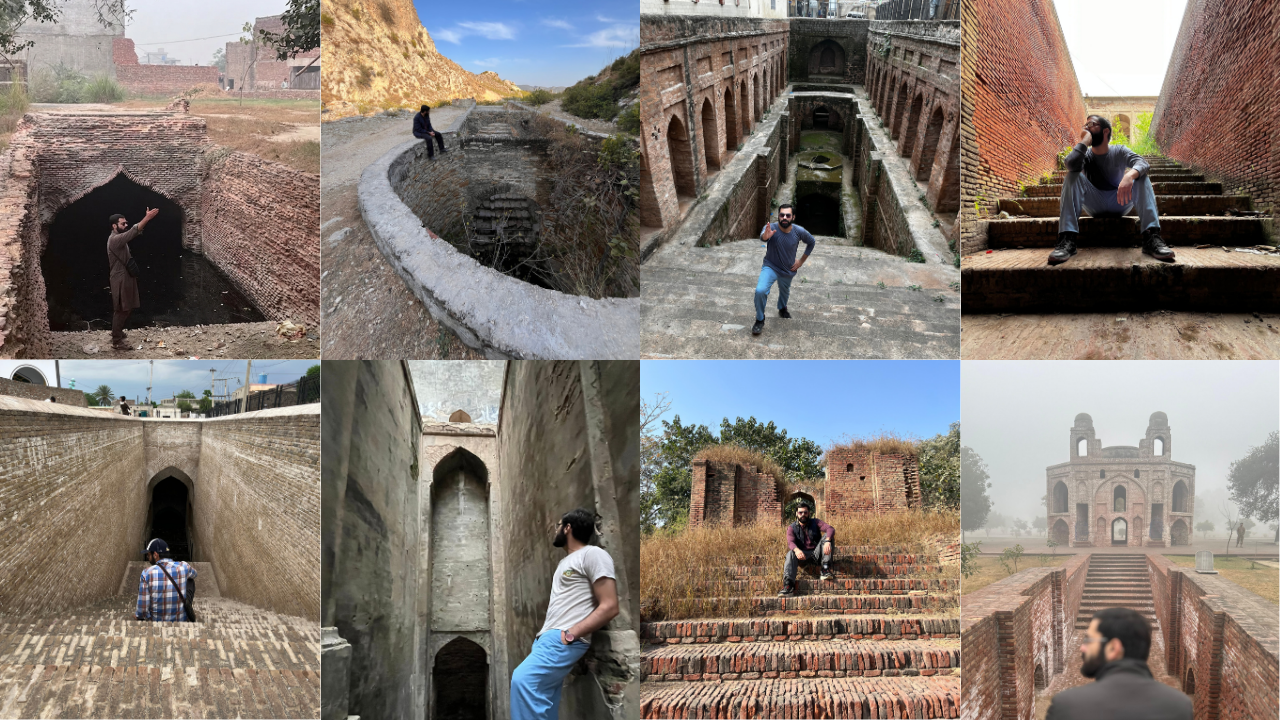
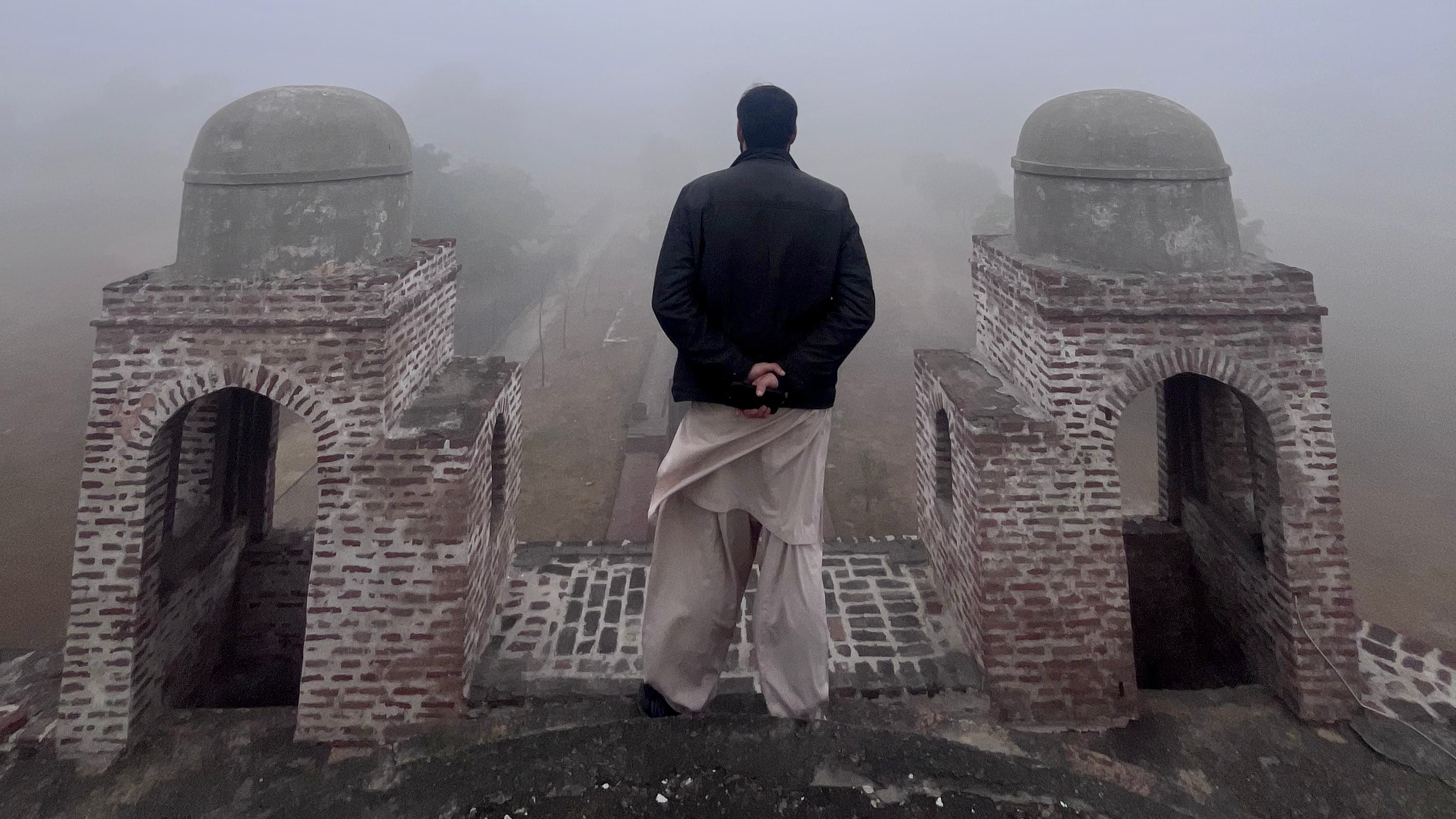
Hidden within the secure boundaries of Mahfooz Shaheed Garrison in Lahore lies an ancient Mughal Baoli that time almost forgot. To reach this remarkable stepwell, one must first obtain formal permission since the area is located within a restricted zone. For years, I longed to visit this site but never found the right opportunity. Finally, on a cold winter morning, I set out on this long-awaited journey along with my senior photographer Amjad Sahib and my teacher and mentor Dr. Hameed. What awaited us was not merely a structure made of stone and brick, but a living whisper from the heart of Mughal Lahore.
History
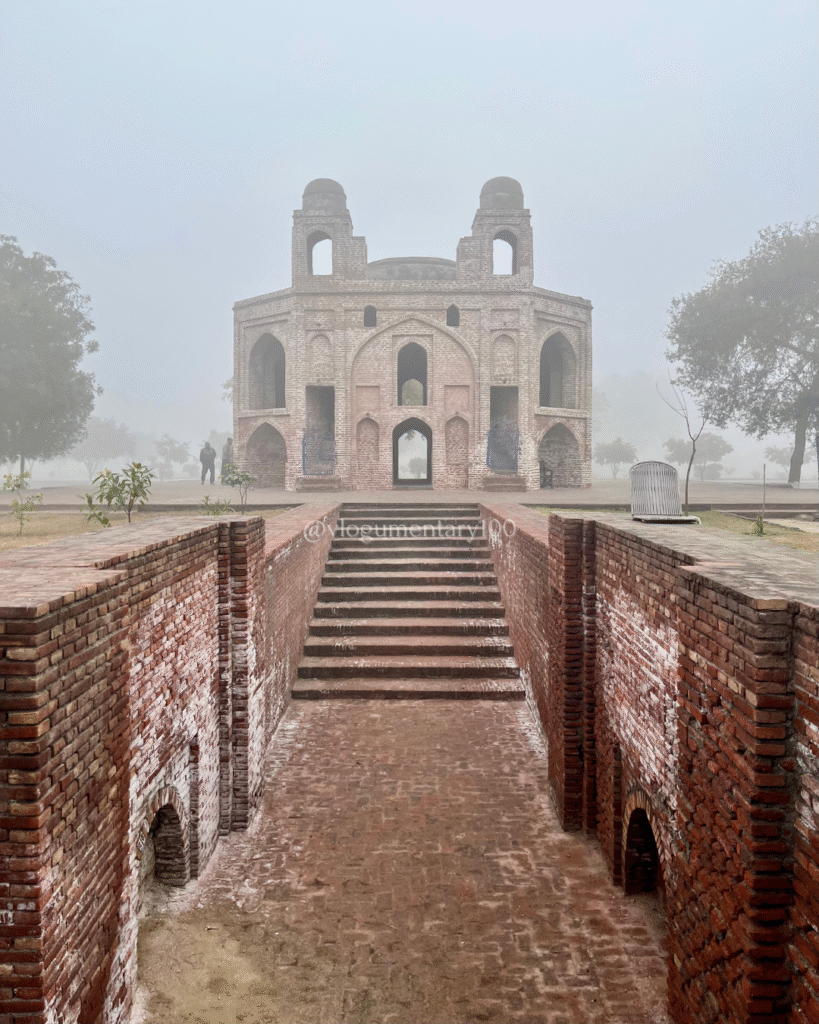
The Baoli of Shaheed Garrison is believed to have been constructed during the Mughal period when stepwells were essential for storing water and providing rest to travelers. The word Baoli refers to a deep stepped well that collected and preserved water, often becoming a community gathering place.
Historically, such Baolis were built along travel routes, creating a network of water points across the region. This particular Baoli is considered one of the historic “earrings” built on an old route because the next Baoli is found in the village of Brahmanabad in Lahore.
Its location inside a modern military area adds a layer of mystery. However, this very placement has also served as protection, preserving it from the urban encroachments that have consumed many of Lahore’s ancient sites.
Architecture
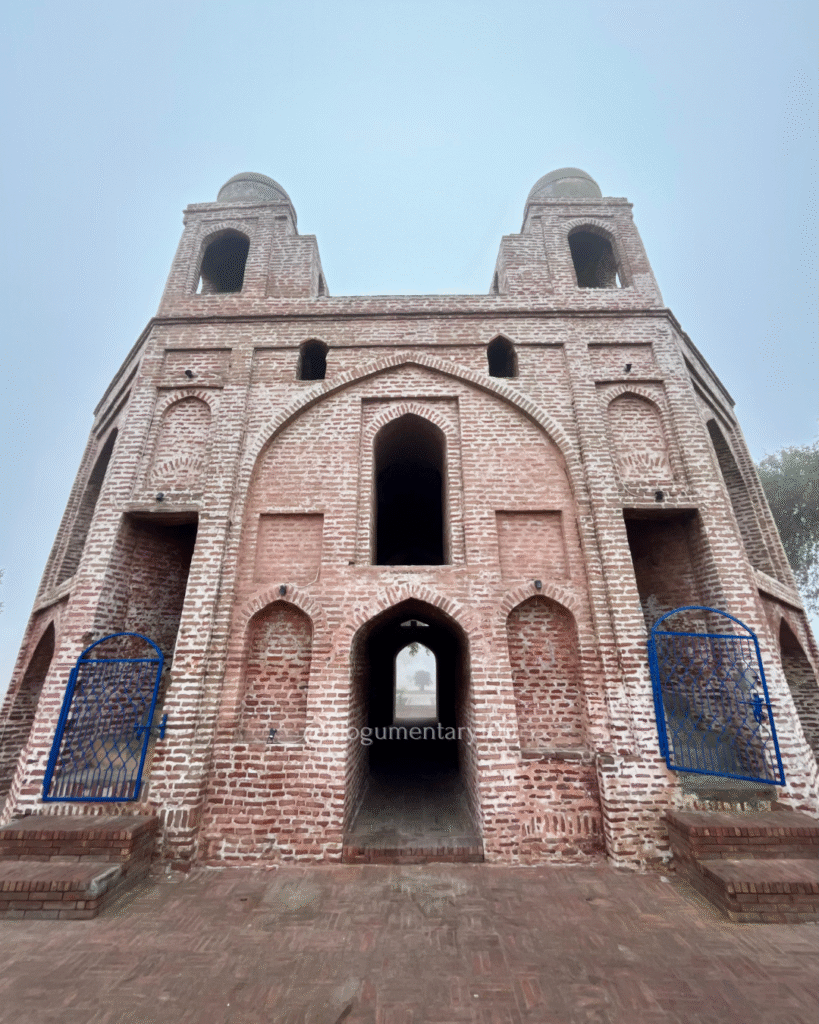
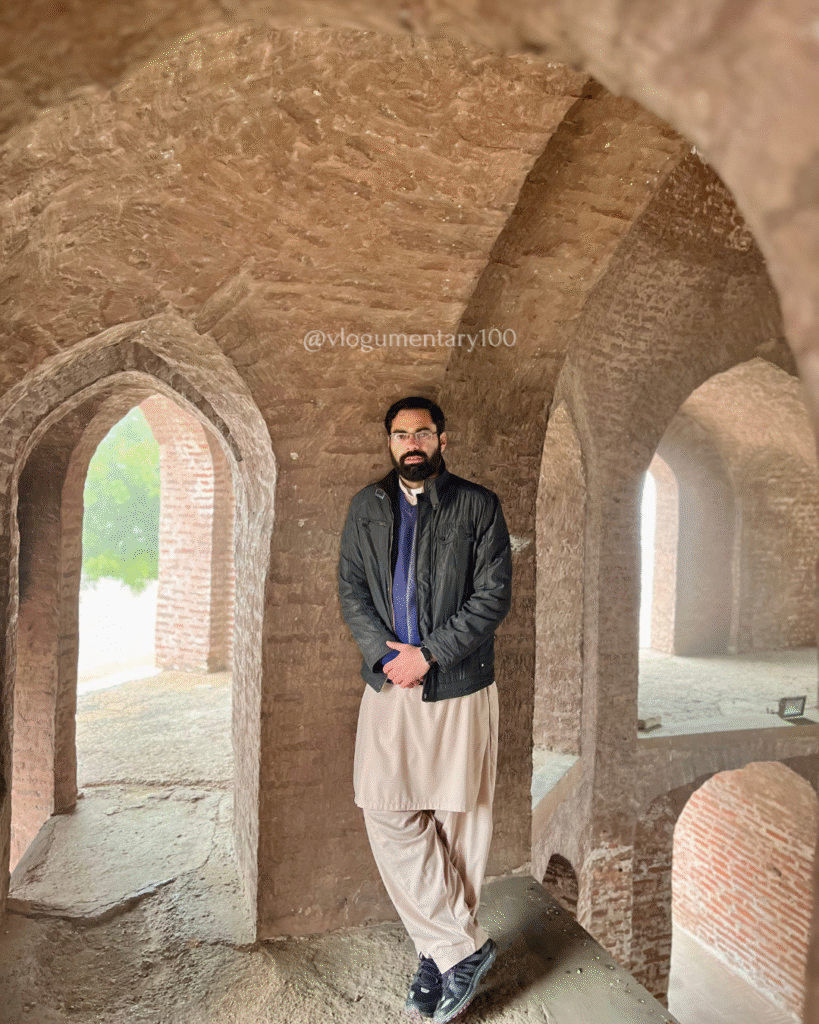
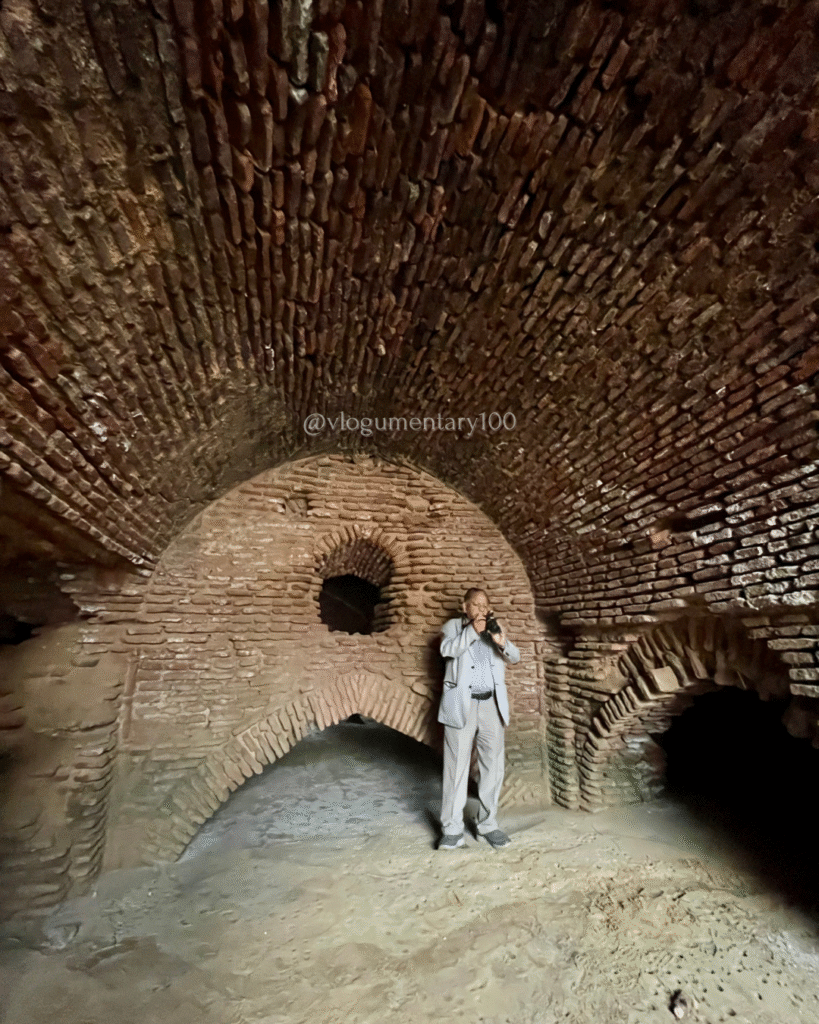
The architecture of the Shaheed Garrison Baoli beautifully reflects Mughal design principles based on symmetry, geometry, and harmony. The structure is octagonal in shape and crowned by a large dome that still stands firm against the passage of time.
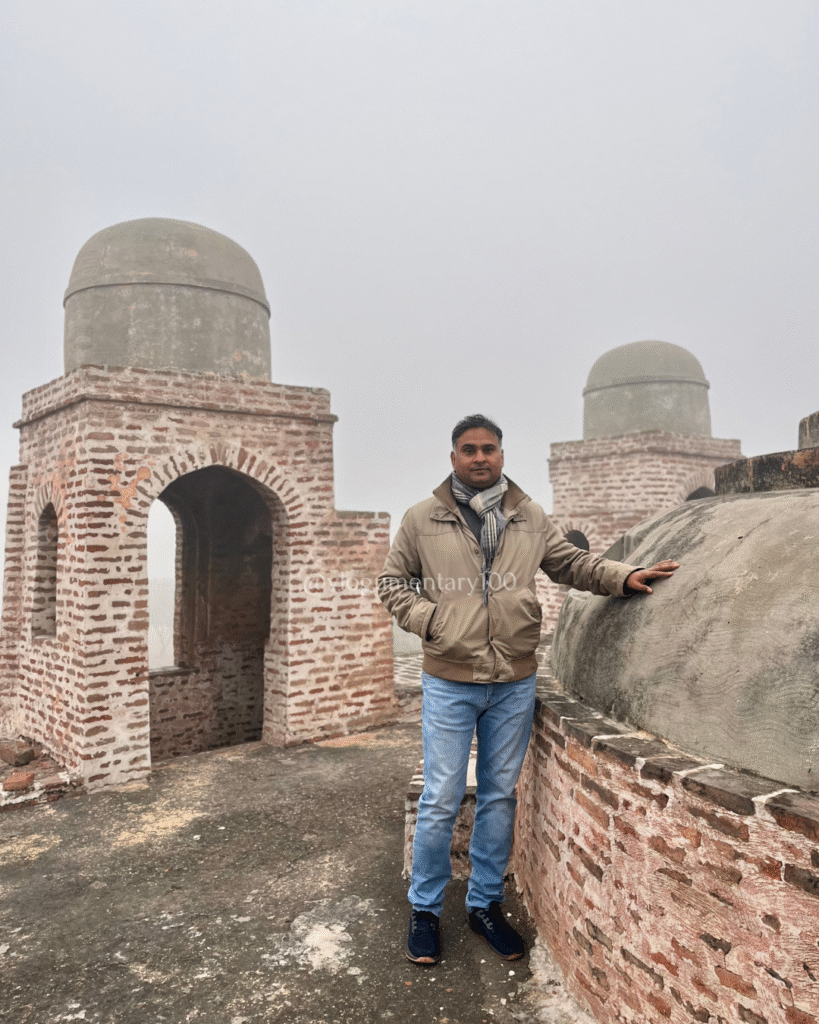
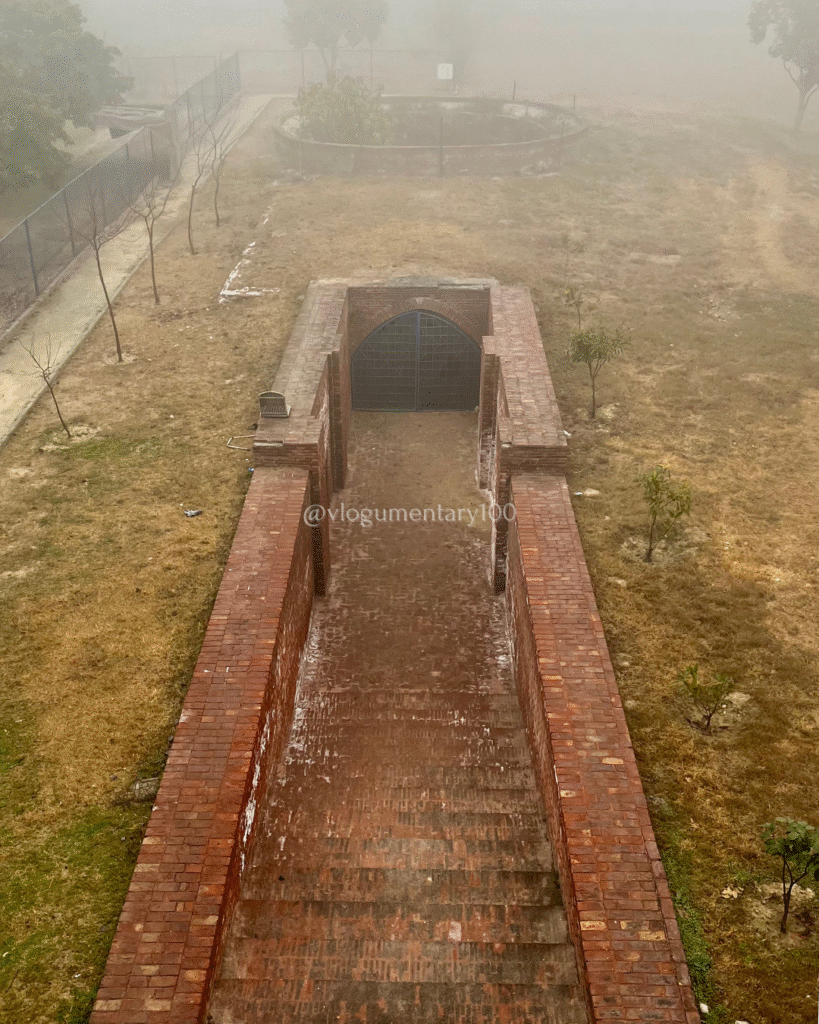
Two towers rise beside it, and two staircases lead upward from opposite sides to the roof. The building has four entrance doors and eight windows that let in sunlight and air. Inside, a few stairs descend toward the well, while many more seem to lie buried beneath layers of earth.
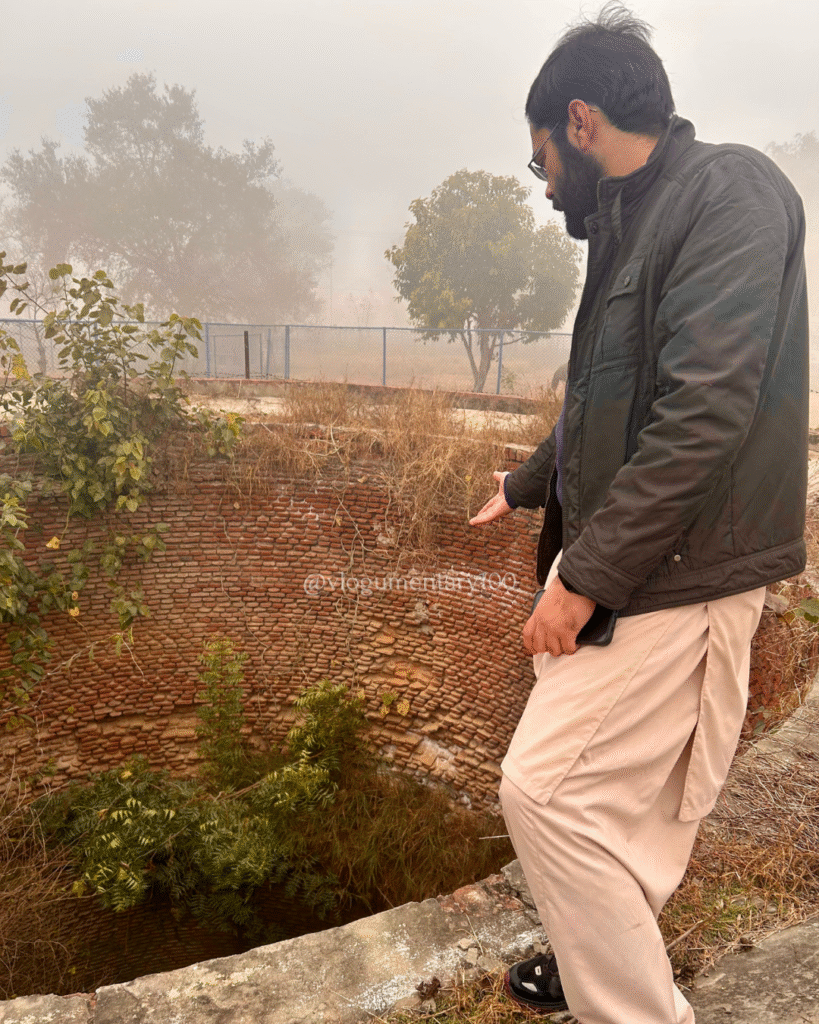
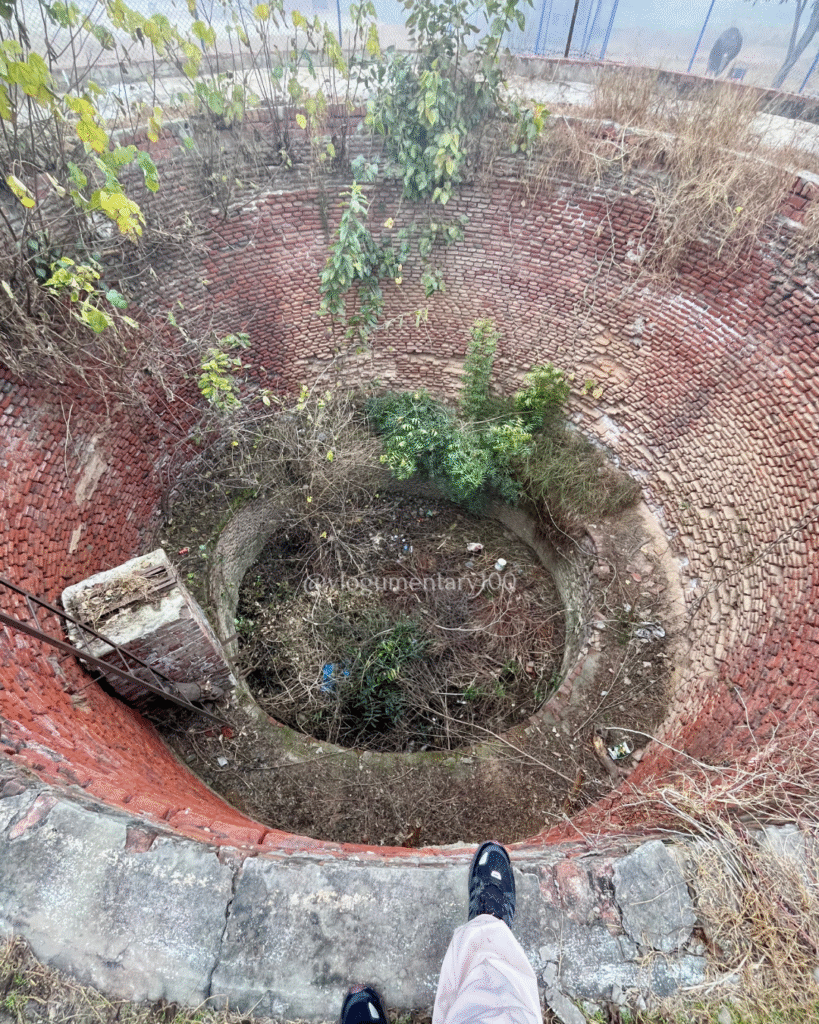
The central well has been preserved with care. However, modern restoration introduced a mistake. Cement was used extensively on the roof, which does not match the historical materials or techniques of the original construction. Even so, the Baoli remains a stunning piece of Mughal craftsmanship.
If you are interested in Mughal architectural traditions, you can also read The Stepwell of Brahmanabad.
Historical Importance and Context
While there are no specific records of major historical events linked to this Baoli, it holds deep symbolic value as part of the Mughal water architecture network. Stepwells like this one were not simply water sources but also served as places of rest, shade, and community interaction.
Travelers and locals would descend its steps to fetch water, pray, and rest from the heat. This Baoli might have served a similar purpose along the old routes that once connected Lahore’s settlements and markets. Its design and location reflect the Mughal Empire’s advanced understanding of public infrastructure and aesthetics.
Over time, as new water systems and modern pipelines replaced traditional ones, Baolis lost their utility and were left behind. Yet this structure still stands, a silent witness to Lahore’s historical relationship with water, architecture, and human ingenuity.
Current Use and Preservation
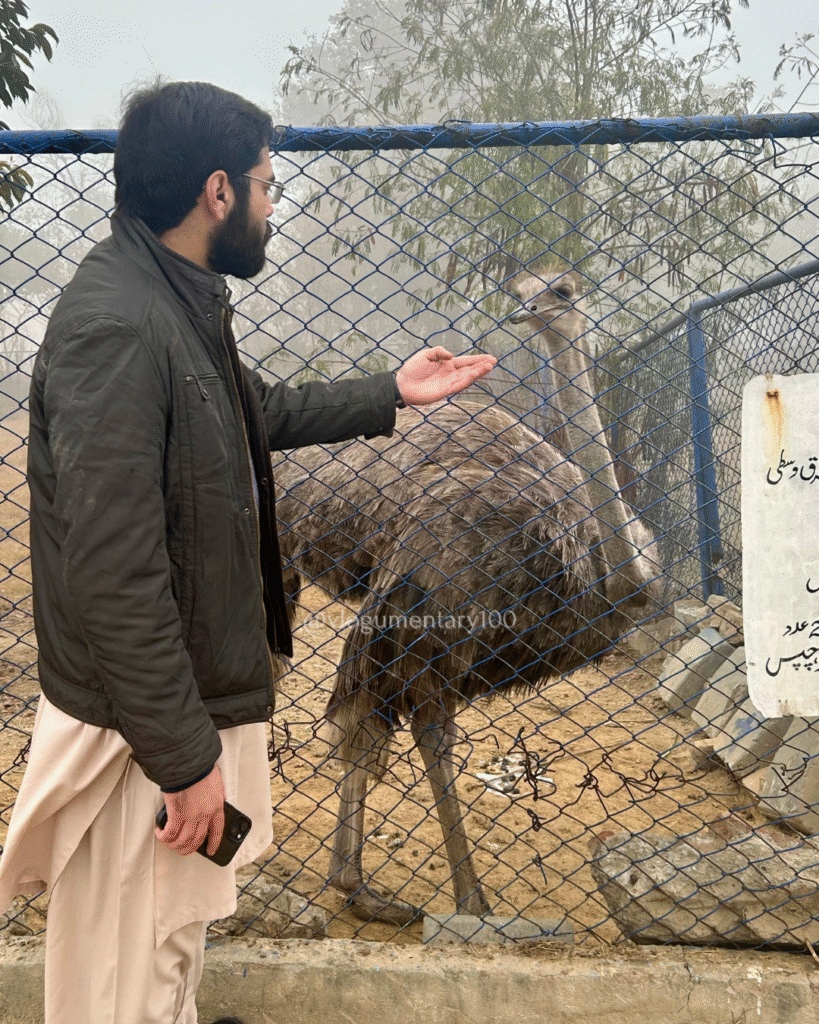
Today, the Baoli sits peacefully within a large green park inside Shaheed Garrison. The area is clean, well maintained, and now used for morning walks and jogging. Around it, ostriches and other birds move freely, giving the space a lively touch of nature.
While the preservation work has kept the structure standing strong, heritage conservation requires careful sensitivity. The heavy use of cement has changed the look of the roof, but overall, the Baoli has been secured in an admirable way. Being inside a protected military area has saved it from vandalism and the careless encroachments that have destroyed many other historical monuments across Lahore.
My Personal Experience
It was a serene winter morning when I reached the Baoli after years of anticipation. The mist of Lahore’s cold air made the atmosphere mysterious and poetic. Walking beside Dr. Hameed and Amjad Sahib, I felt a mix of gratitude and excitement.
We first noticed a few stairs emerging from the ground, leading downward toward a well. A closed gate stood nearby, and with proper permission, we crossed it. What we saw beyond left us amazed. The old original Mughal bricks still stood in their raw beauty, untouched by time.
Our hosts initially warned us not to go further for safety reasons. Yet, after explaining our role as archaeologists and heritage enthusiasts, they understood our purpose. Standing there, I explained the meaning of a Baoli, its history, and its importance as a water source and resting place in ancient times.
For a moment, time seemed to pause. The Baoli, quiet and still, carried the echoes of footsteps from centuries past. It was as if every brick held the memory of those who once descended its steps to draw water or seek shade under its dome.
Reflections on Lahore’s Hidden Heritage
The Baoli inside Shaheed Garrison is not just a structure. It is a voice from Lahore’s forgotten heritage, a reminder of how this city once valued community, water, and architecture as parts of a living ecosystem.
In an age where skyscrapers rise and old cities fade behind concrete walls, such places remind us of what must never be lost. The Shaheed Garrison Baoli tells a story of resilience, faith, and the human spirit’s connection to nature.
Each hidden site like this contributes to the broader story of Lahore’s Forgotten Architecture, linking past landscapes with present awareness. Exploring these places allows us not just to study history but to feel it.
- British Heritage (1)
- Cities (2)
- Hindu Heritage (2)
- Muslim Heritage (6)
- Sikh Heritage (1)
Call to Action
If this story touched your heart, come experience it in person. Book a customized heritage tour and walk with me, through Lahore’s forgotten pathways and monuments that still hold the essence of history.
Follow Vogumentary across all platforms to explore more hidden stories, ancient sites, and cultural journeys. Every monument has a voice, and together, we can keep those voices alive.