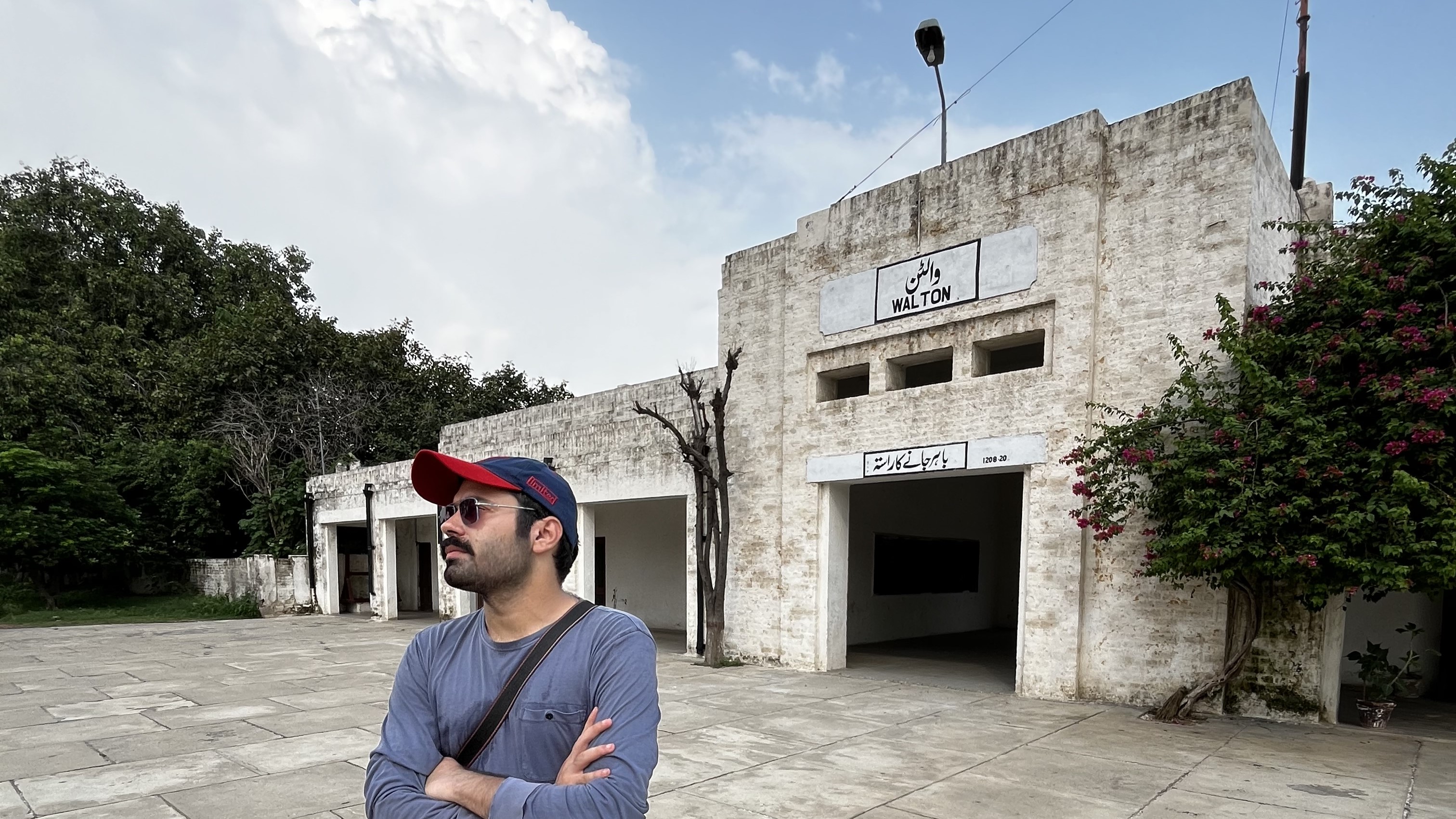
I have recently developed a deep fascination for the old railway system built during the British era. This new hobby has taken me on a journey across forgotten and hidden railway stations, where every wall, brick, and track has a story to tell. My exploration began in Lahore, where I first visited the now-abandoned Kahna-kacha Railway Station. Building on that journey, I set out to discover Walton Railway Station, Lahore, a place that still whispers the echoes of a bygone time.
Located between Lahore Cantt and Kot Lakhpat, on the line that connects Lahore to Karachi, Walton once played a crucial role in the movement of trains and people. Today, it stands as a fading landmark, a place where history, community, and heritage merge.
The Story Behind Walton Railway Station
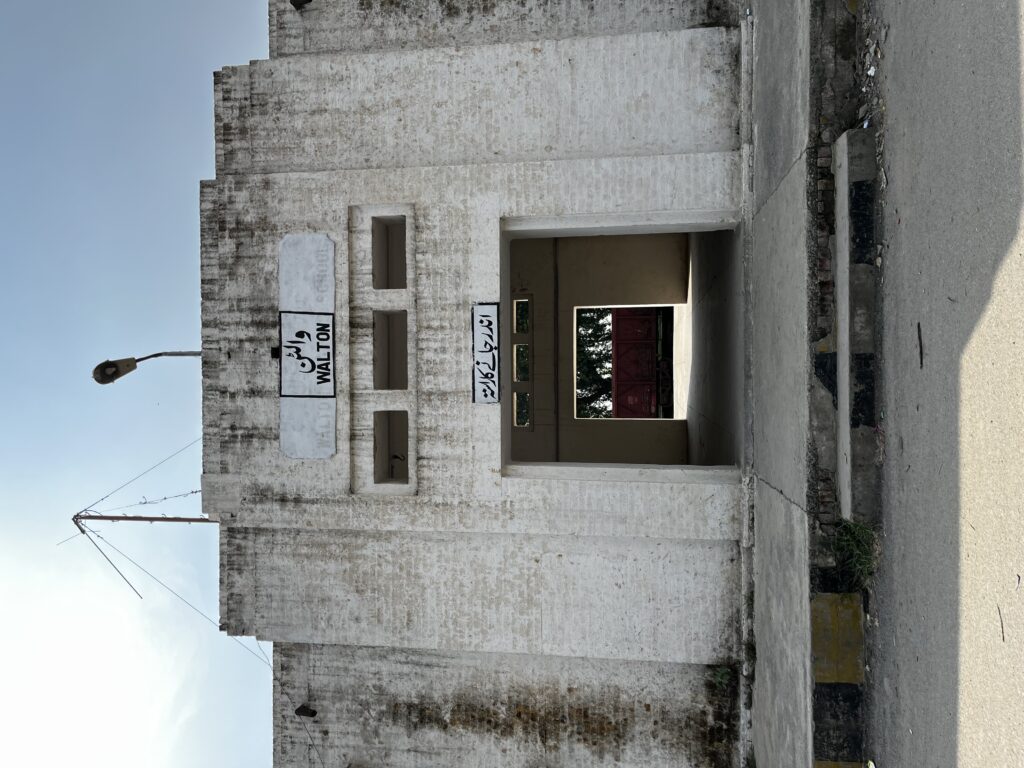
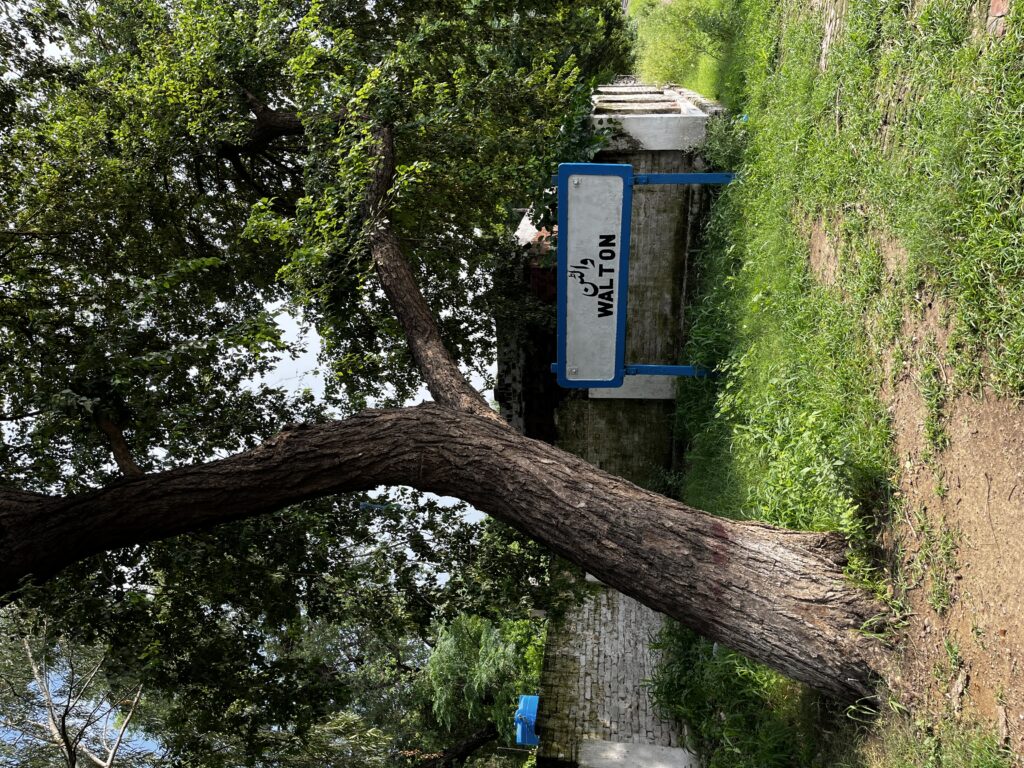
When you first arrive at Walton, the name of the station is still visible above the entrance. But if you look more carefully, you will notice faint lettering beneath it that reads Walton School. This unusual detail suggests that the building may have served a dual purpose: functioning not only as a railway station but also as a school for railway employees and their families.
In its prime, Walton was a fully active railway station. Trains stopped here regularly, passengers passed through its halls, and the daily rhythm of whistles and footsteps filled the air.

Architectural Glimpses of the British Era
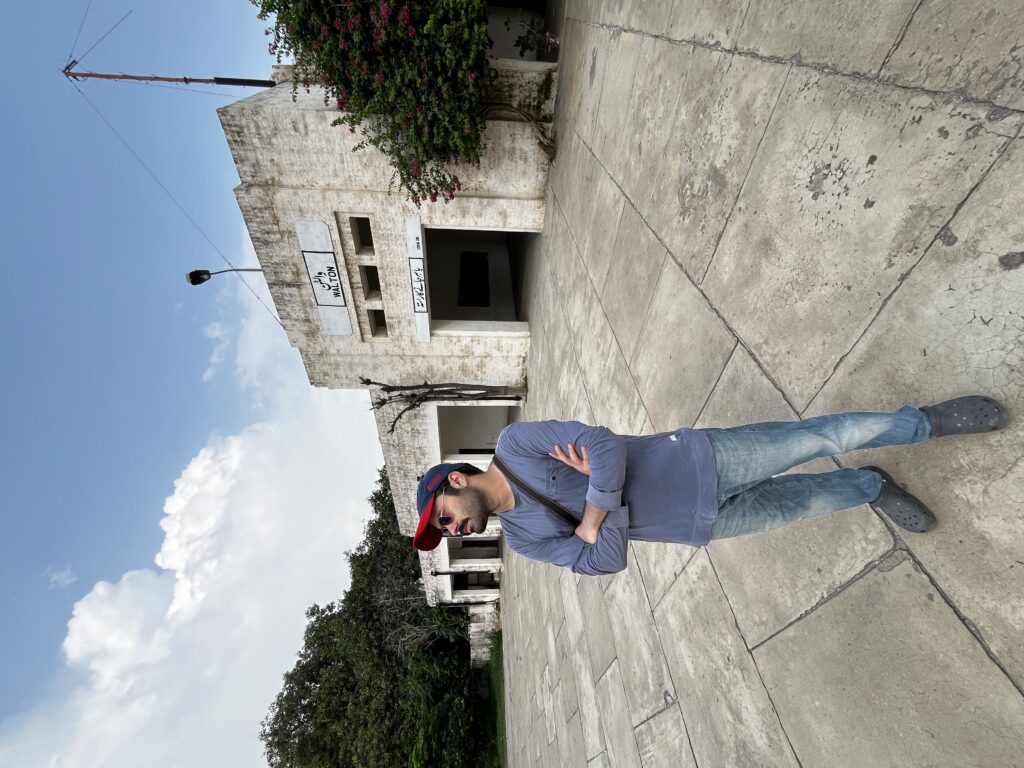
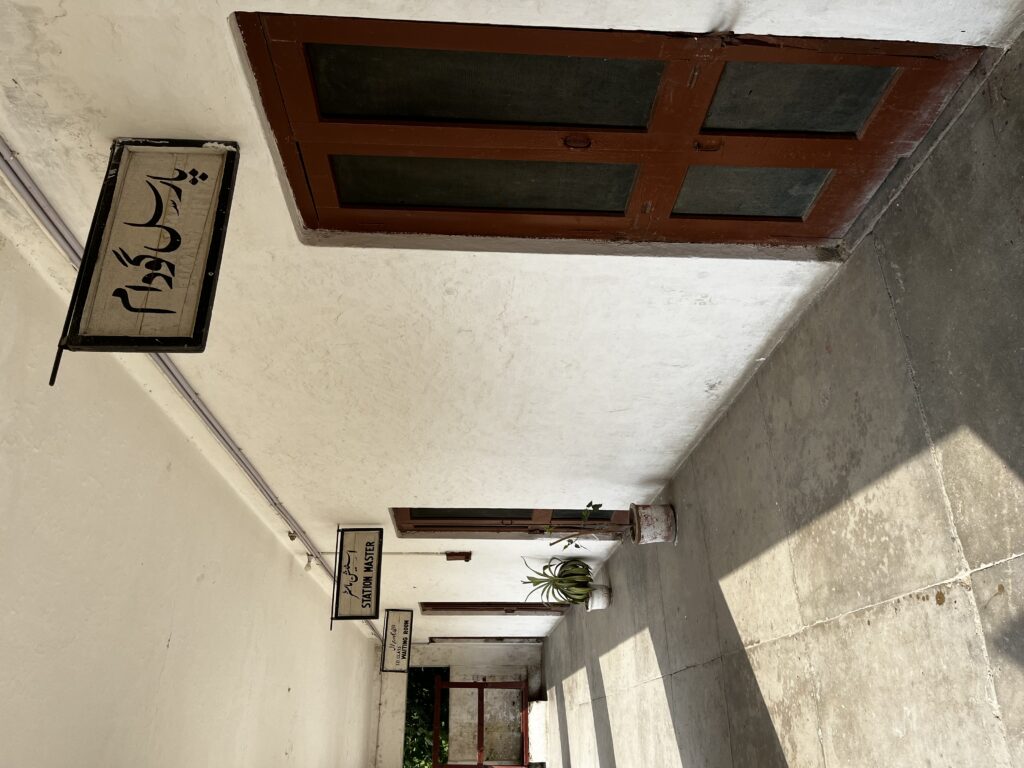
Walton Railway Station Lahore reflects the style of construction used during the 1920s and 1930s. The thick British-era bricks and sturdy layout confirm its colonial origins. Inside, the spaces are still clearly identifiable. The waiting hall, ticket counters, canteen, and the separate room of the station master remain intact.
Unlike many decaying stations, Walton has surprisingly retained much of its original shape. Walking through its halls feels like stepping back a century, where each corner still carries the weight of history.
Inside the Station Master’s Room
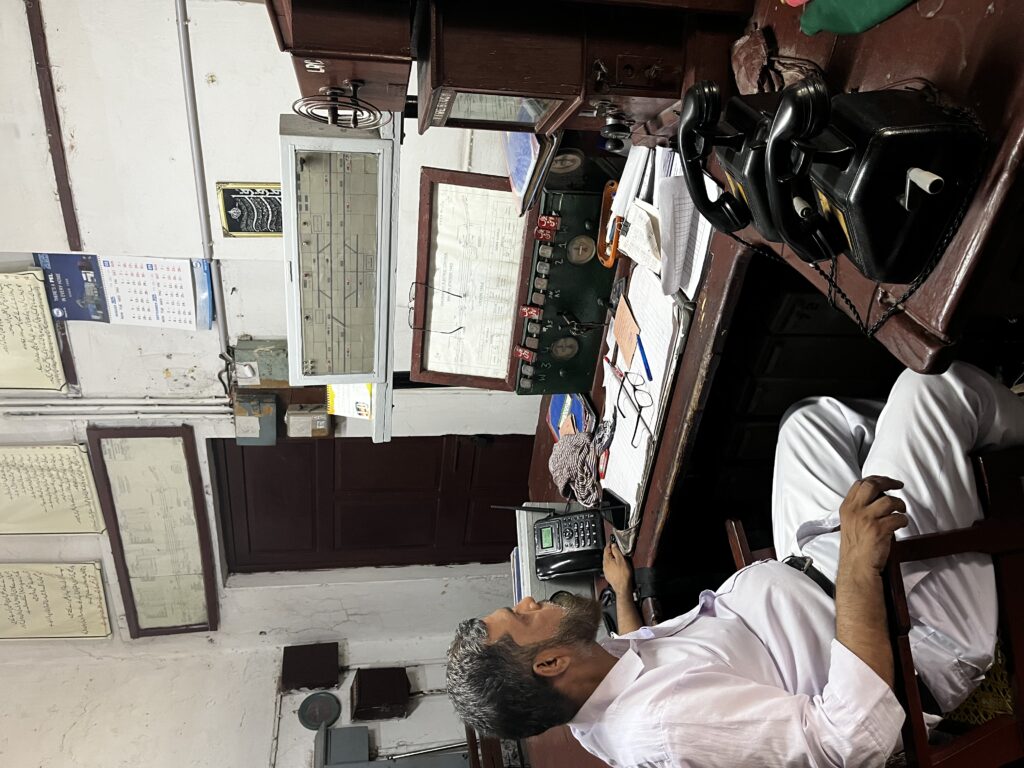
One of the highlights of my visit was meeting the current station master. He welcomed me warmly, answered my questions with great patience, and even showed me some remarkable relics from the past.
The room still houses old railway machinery that dates back to the British period. This equipment is not simply preserved as artifacts but is still being used for train operations today. Communication between stations continues through systems inherited from that time.
The most fascinating discovery was a magnetic telephone. This device connects directly to the next station by turning a dial on its side, and to my amazement, it is still fully functional. Standing there, with this piece of technology from nearly a century ago still in use, felt like touching history itself.
The Tracks that Tell Another Story
Railway enthusiasts like myself often look for small details that reveal big stories. One of the most important is the stamp on the railway tracks. At Walton, the tracks bear the mark of a Japanese company, suggesting they were laid after Partition.
Normally, I search for the stamp of NWR, or North Western Railway, the colonial-era railway system that later became Pakistan Railways. Unfortunately, at Walton, I could not find any such traces. Still, the Japanese imprint adds another layer to the station’s timeline, linking it to Pakistan’s early decades of development.

A Station that Still Breathes with Life
What struck me most about Walton Station was not just its history, but its present. When I arrived, the platform was alive with the sound of children playing cricket. Their laughter echoed across the old building, blending the past with the present.
I could not resist joining them for a short game. That moment reminded me that while heritage speaks of the past, it also lives on through the people who continue to interact with these spaces in their own way.
Walton in the Broader Journey
Walton Railway Station Lahore is not just an isolated site. It is part of a wider railway heritage that still survives across the city. My exploration began at Kahna-kacha Station, which has now fallen silent. From there, Walton was the next chapter, followed by Lahore Cantt and Kot Lakhpat, each with its own story.
This journey has shown me that railway stations are not only about trains and tracks. They are about people, communities, and the everyday moments of life that unfolded in these spaces.
Why Walton Still Matters
Walton Railway Station Lahore may not see the hustle of passengers anymore, but it continues to carry immense historical and cultural value. It represents the ambition of the British to connect the subcontinent, the adaptations made after Partition, and the resilience of structures that refuse to fade away.
For heritage enthusiasts, explorers, and even casual visitors, Walton offers a chance to step into the past while standing firmly in the present. It is a place where history can still be touched, seen, and felt.
Conclusion: The Call of Forgotten Heritage
Exploring Walton Railway Station Lahore was more than just a visit. It was a reminder of how the past lingers quietly in our surroundings, waiting to be rediscovered. From its colonial architecture and century-old machinery to the sound of children playing cricket on its grounds, Walton holds a rare charm.
Heritage sites like this deserve not only to be remembered but also preserved. They tell us stories of who we were, how we arrived here, and how these forgotten corners still shape our cultural identity.
As my journey through Lahore’s hidden railway stations continues, Walton will always remain a memorable stop — a bridge between history and the present, silence and laughter, railways and people.\
- Cities (2)
- Hindu Heritage (2)
- Muslim Heritage (5)
- Sikh Heritage (1)