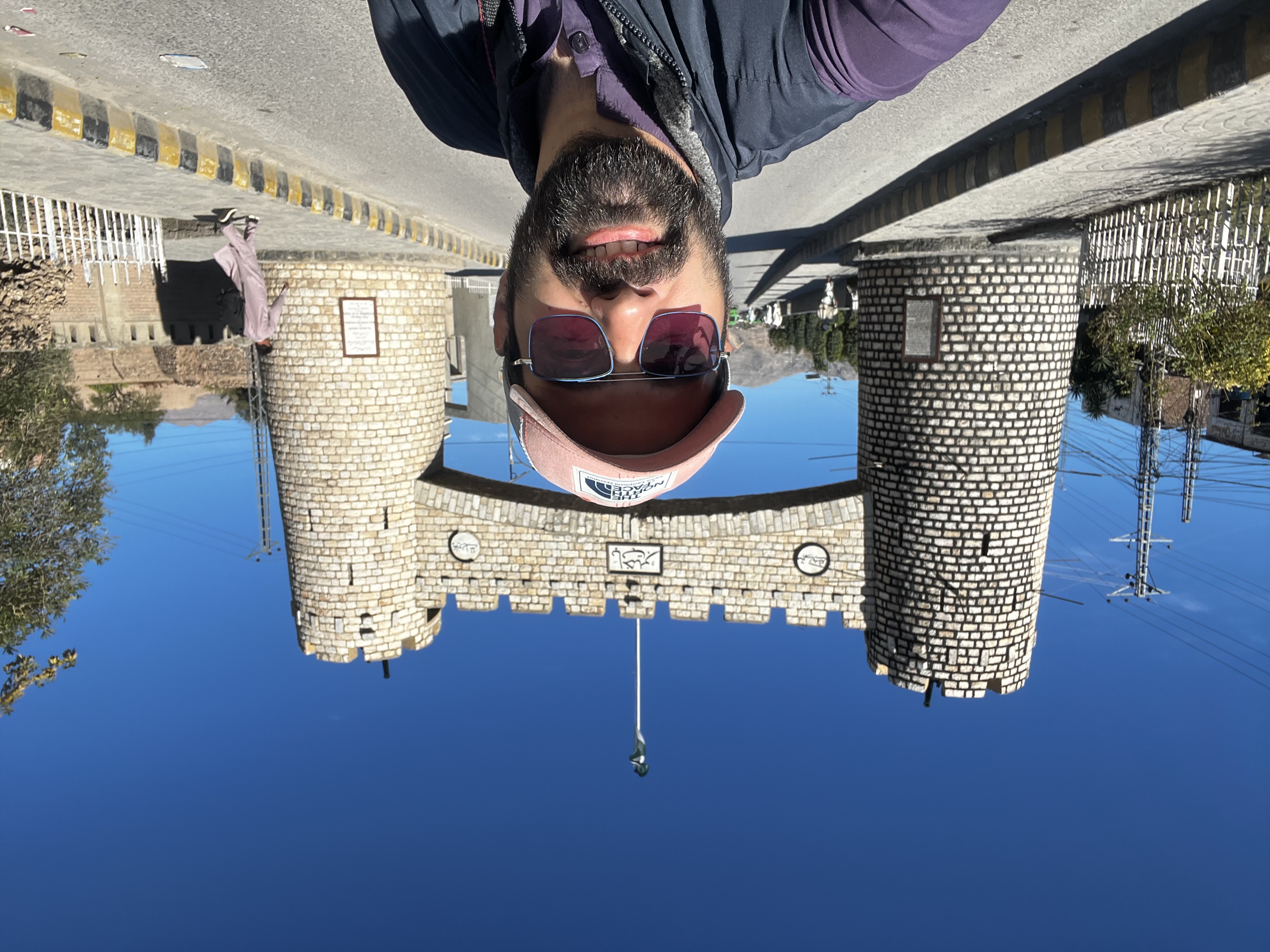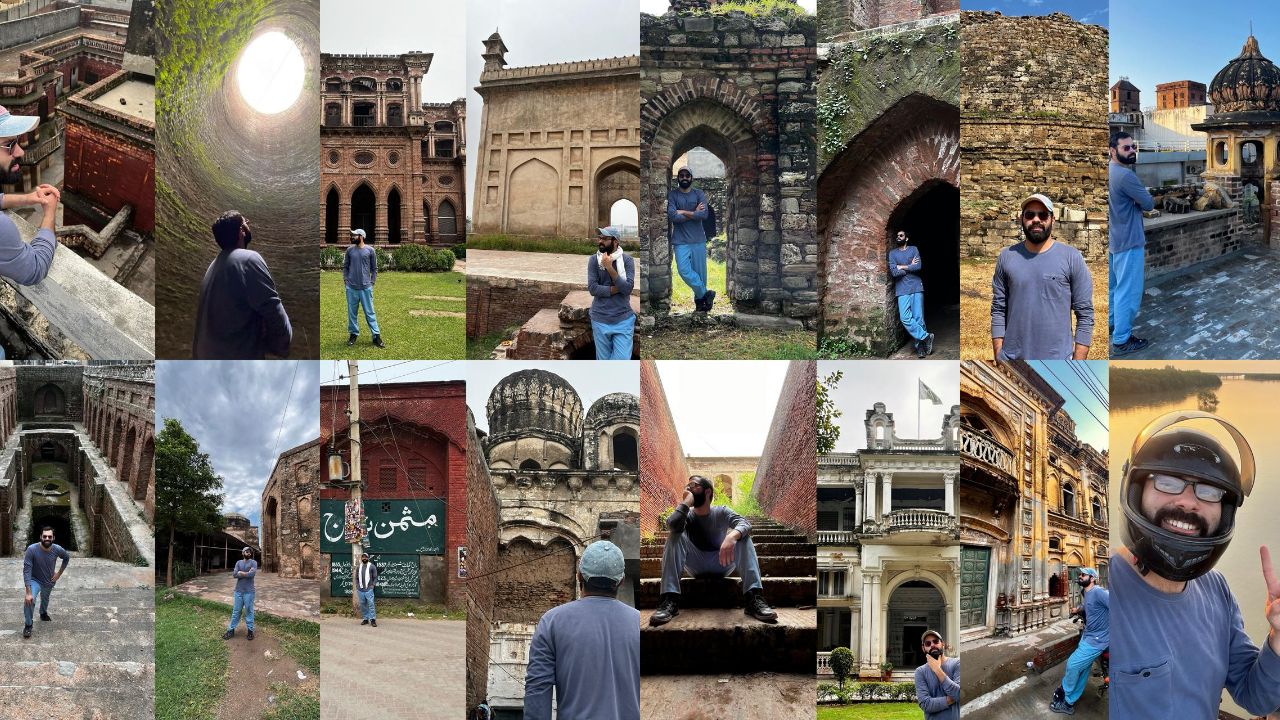
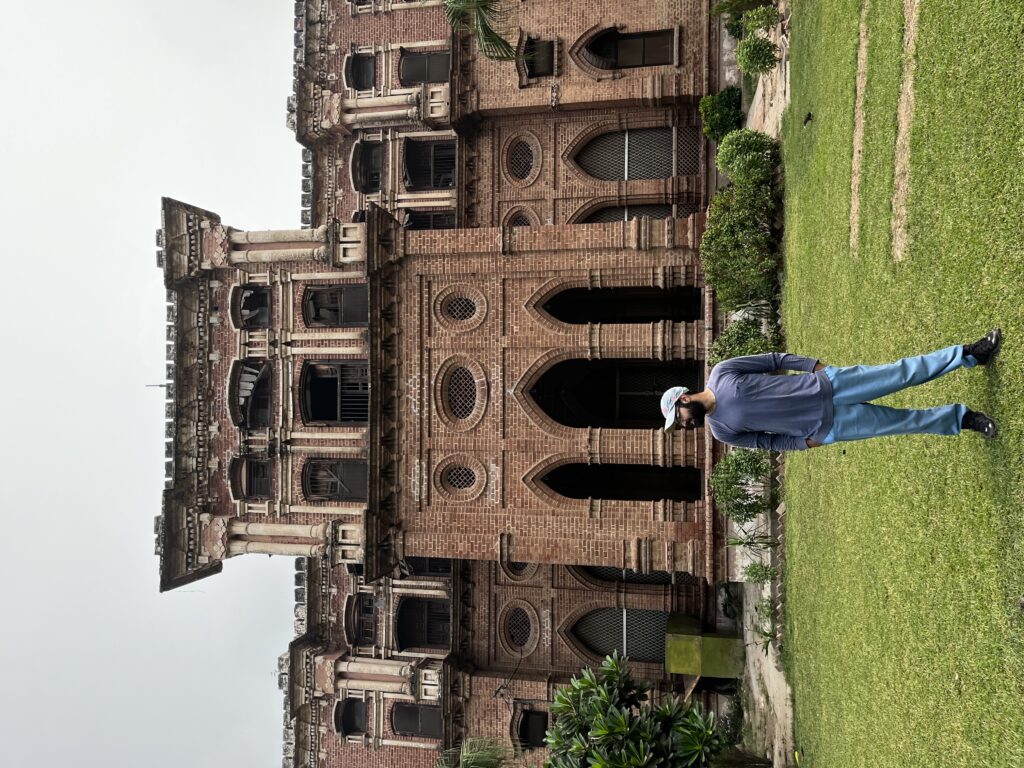
If you want to experience how the history hidden in the streets of Punjab still breathes today, the best way is to travel along the Caravan GT Road. This ancient route is more than just a highway; it is a living museum of heritage sites in Punjab, Pakistan. Over the course of two days, I journeyed 300 kilometers through seven cities, uncovering nearly twenty forgotten treasures. From Mughal baolis and Sikh-era palaces to Hindu temples and Buddhist stupas, every stop tells a story that is waiting to be remembered.
Gujranwala: Echoes of the Lion’s City
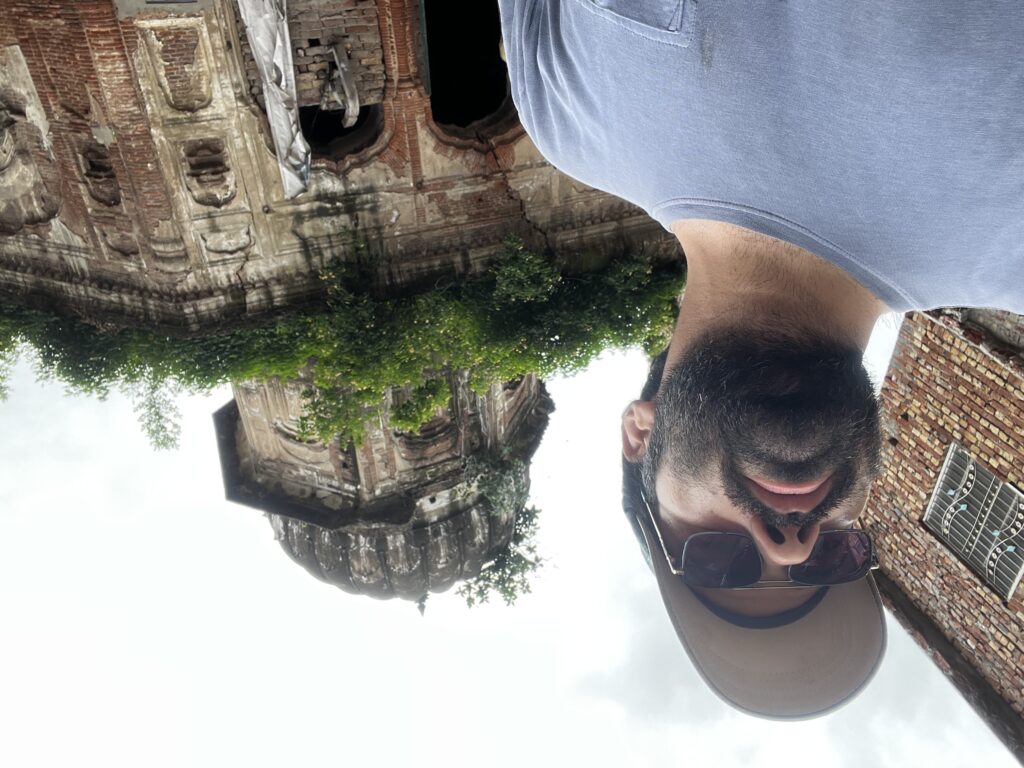
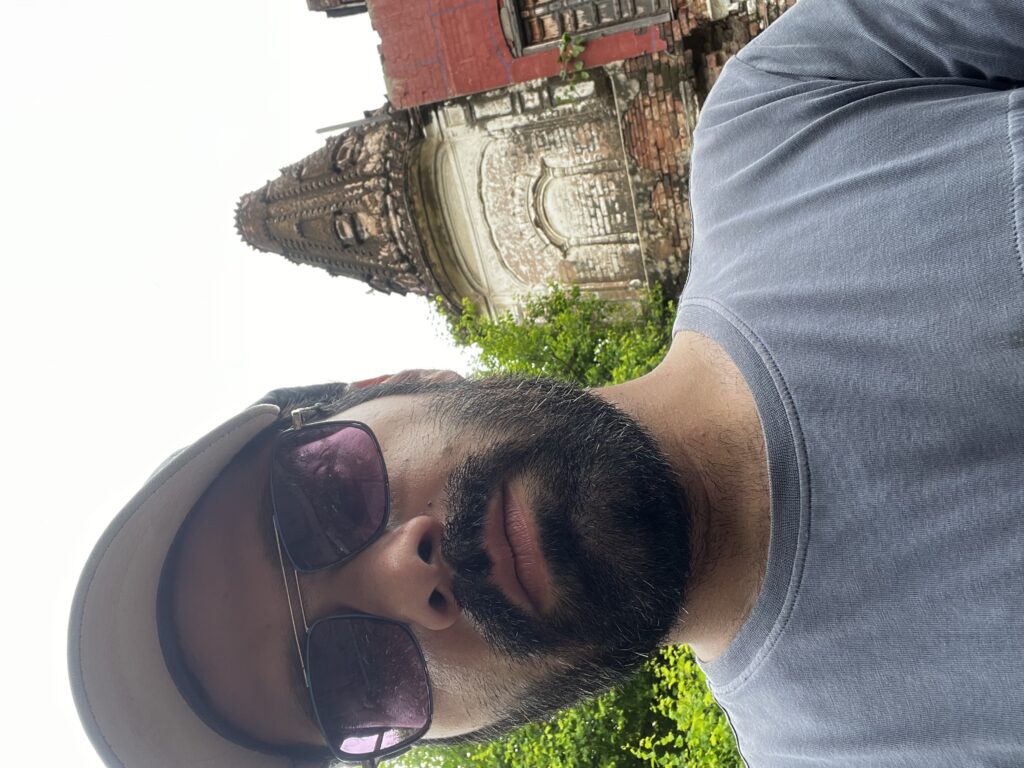
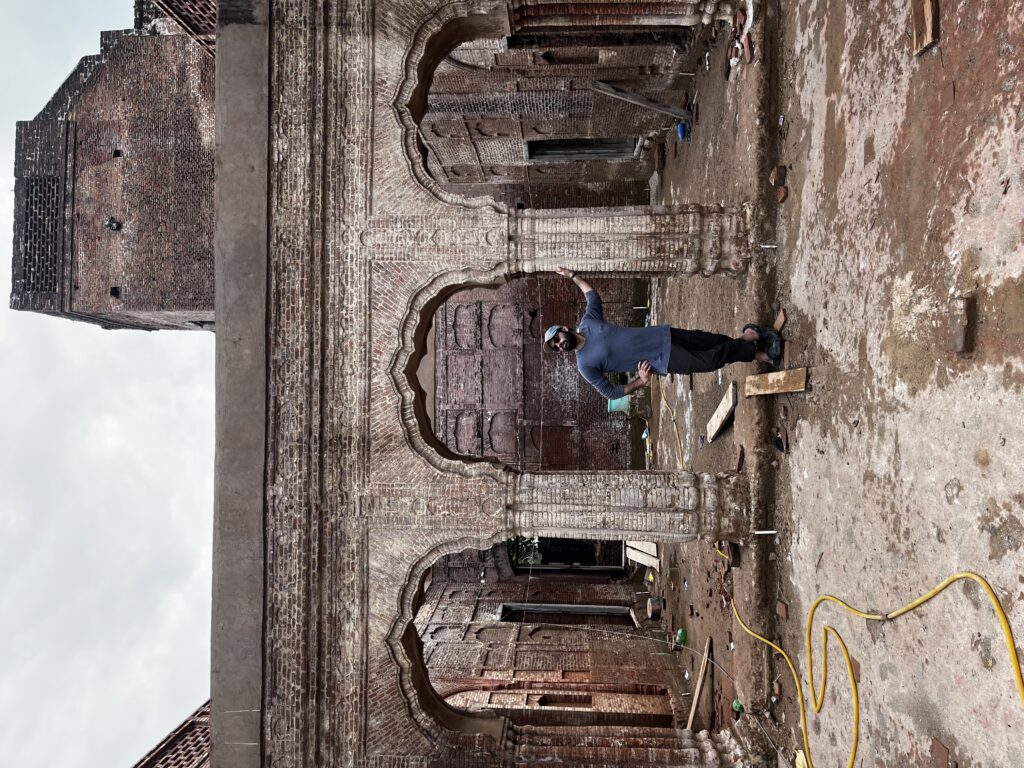
Our first stop was Gujranwala, the birthplace of Maharaja Ranjit Singh, the Lion of Punjab. At Sheranwala Bagh, the Samadhi of Mahan Singh still bears fragments of frescoes, even though time has taken its toll. In Bhabra Bazaar, once home to the Jain community, a temple now converted into a residence still watches silently over the city.
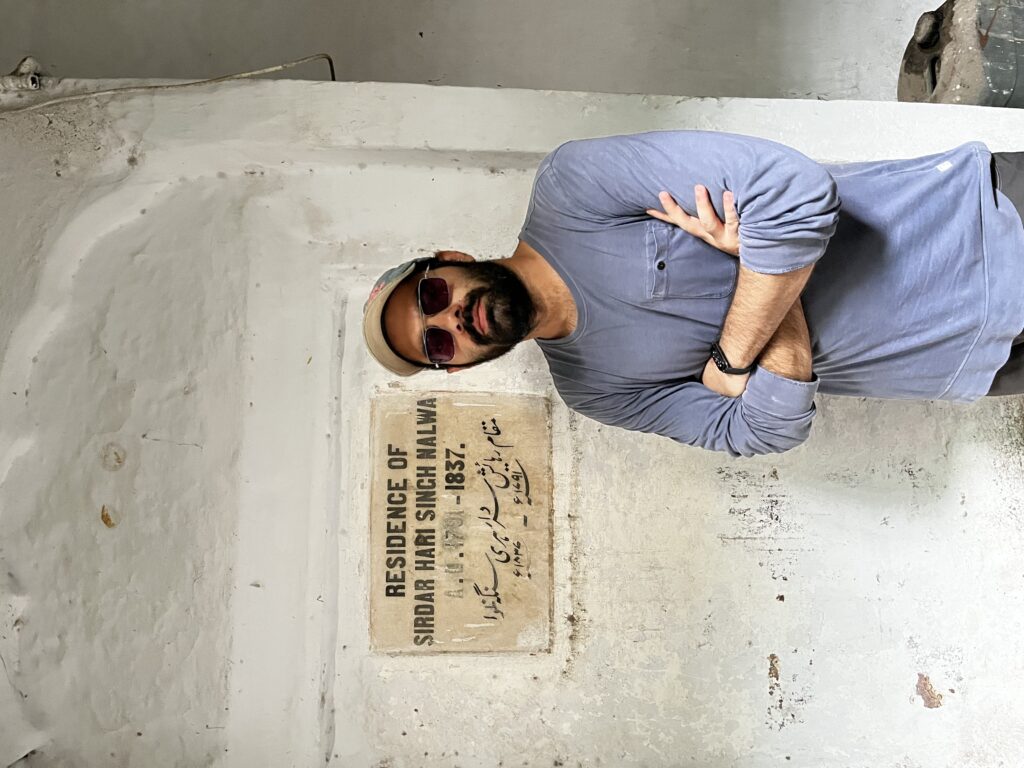
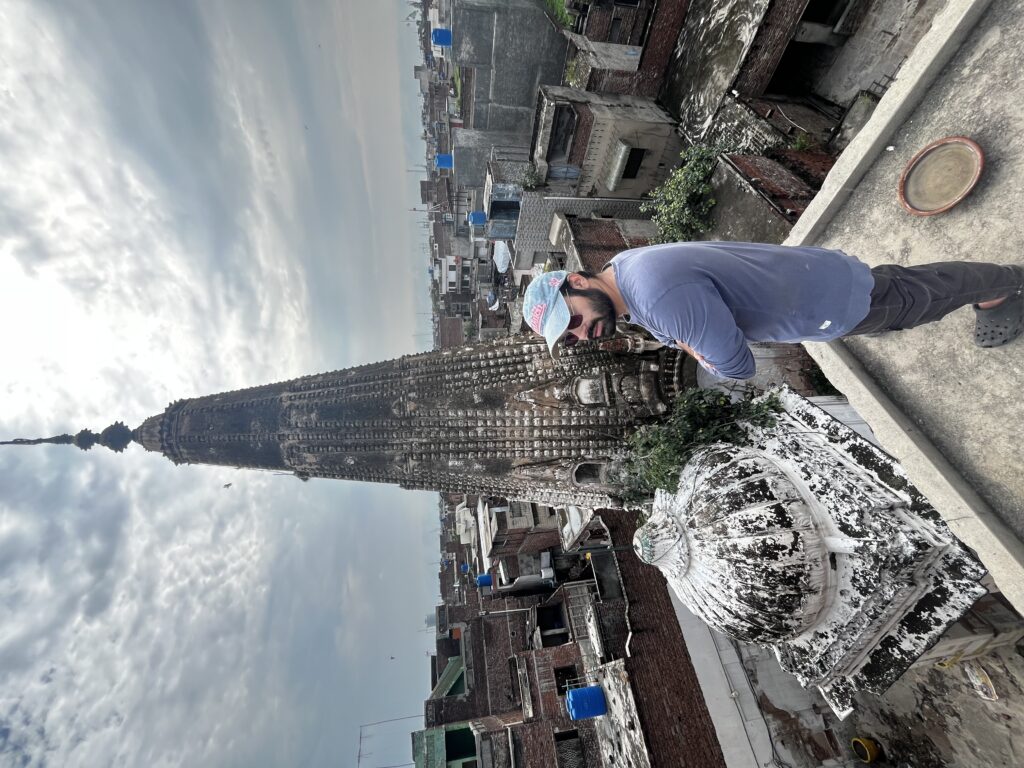
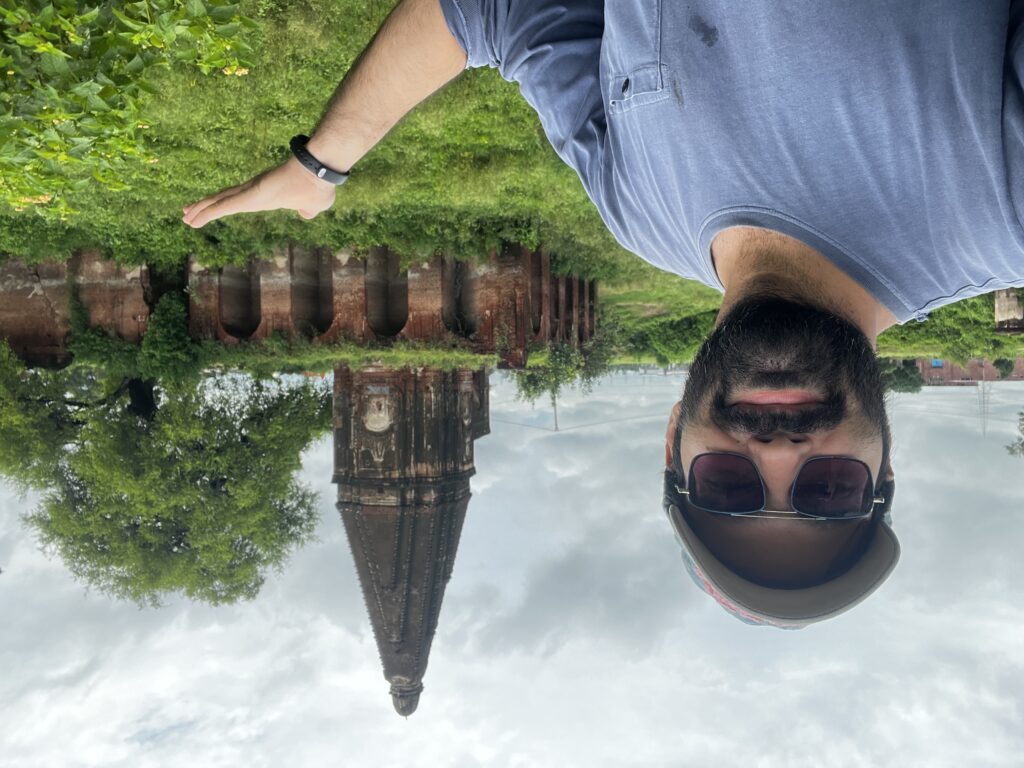
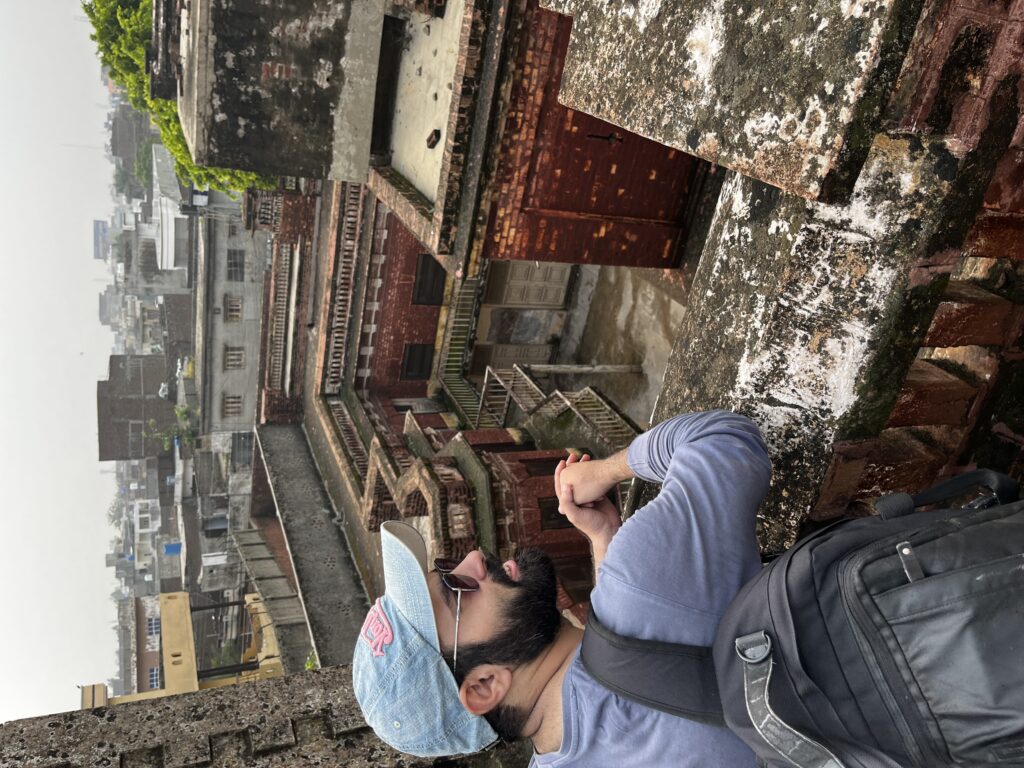
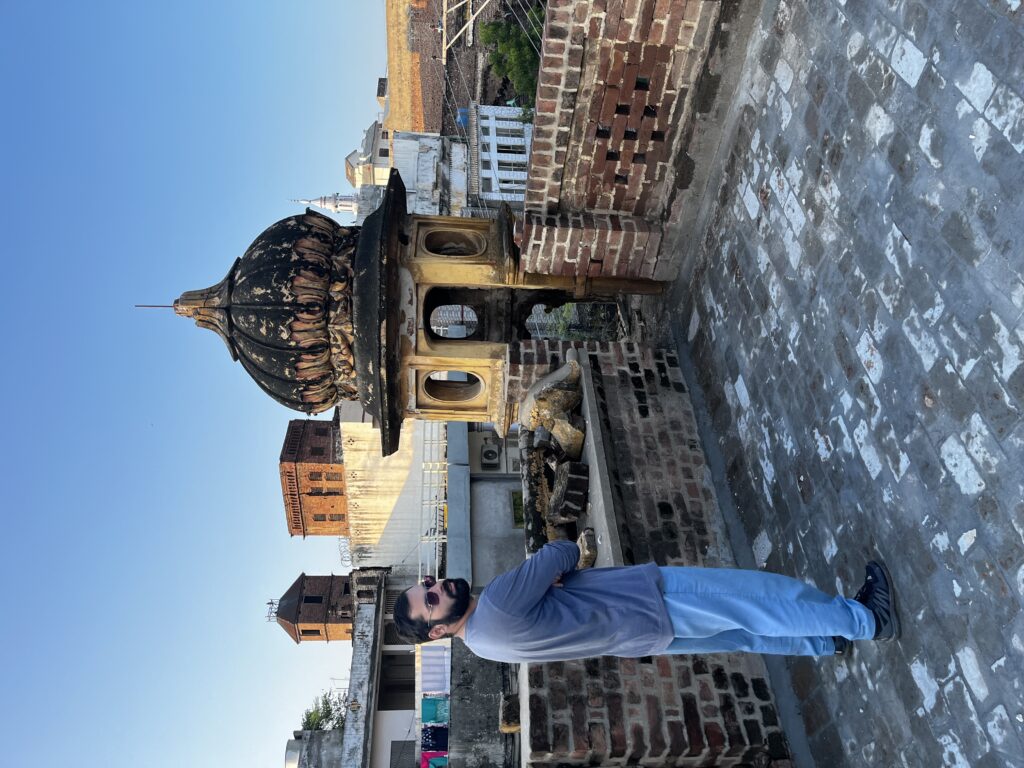
The mansion of Sardar Hari Singh Nalwa stands as another jewel, with its colonial plaque and rooftop summer palace. Nearby, the towering Shiva Temple rises above the skyline, while the Tomri Sahib Temple now lies within modern DHA boundaries.
For a deeper dive into Sikh-era Lahore, you can also explore Maharaja Ranjit Singh’s legacy in another article.
Wazirabad: The City of Cutlery and Forgotten Treasures
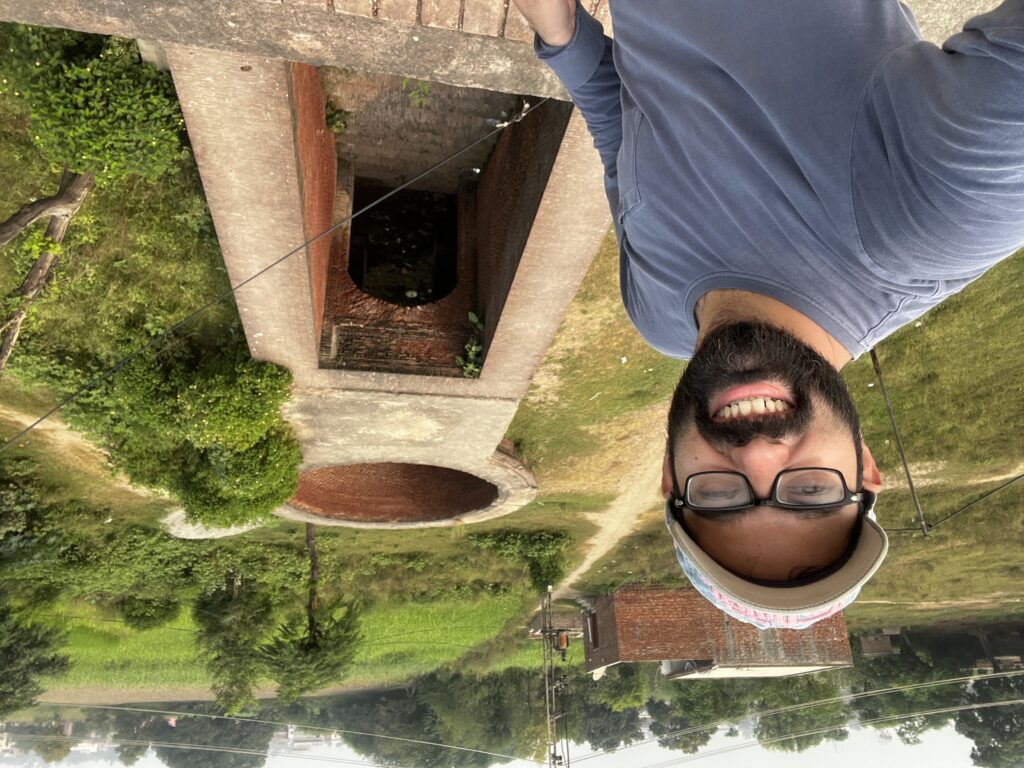
Only 34 kilometers ahead lies Wazirabad, once famous for its blades and craftsmanship. Yet the city holds quieter gems of heritage. The Mughal-era baoli is small but beautifully preserved, while Sheikhan Di Kothi, a colonial mansion, recalls Lahore’s Mall Road.
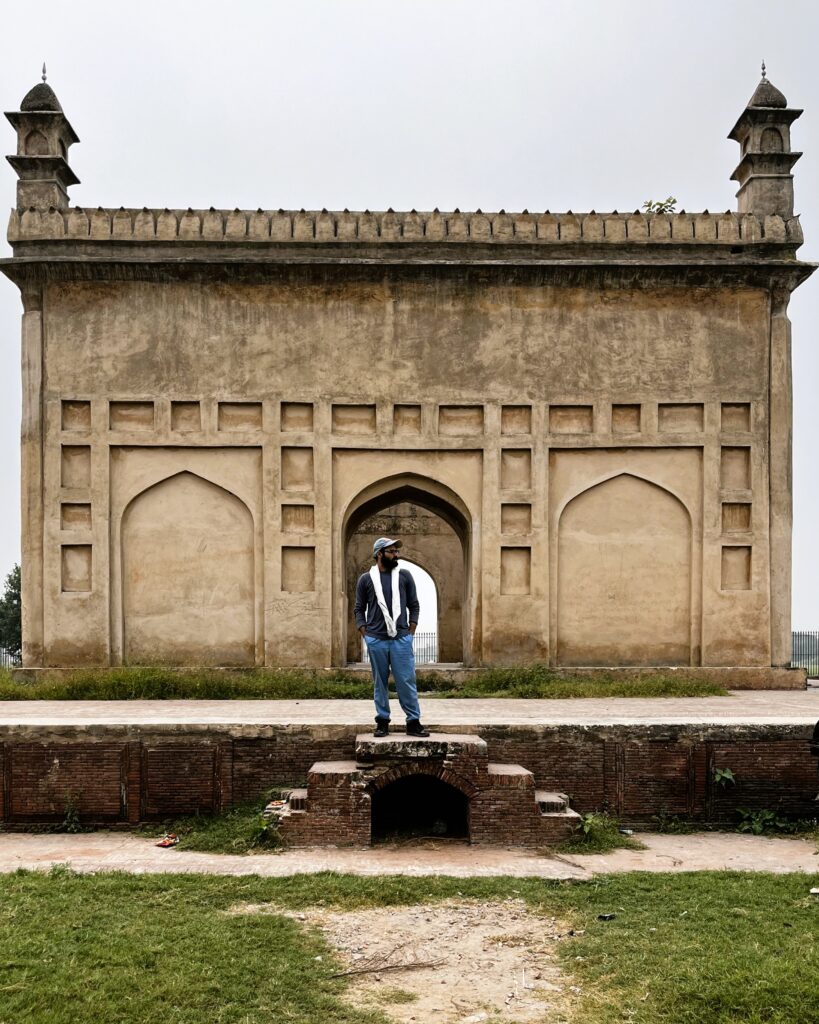
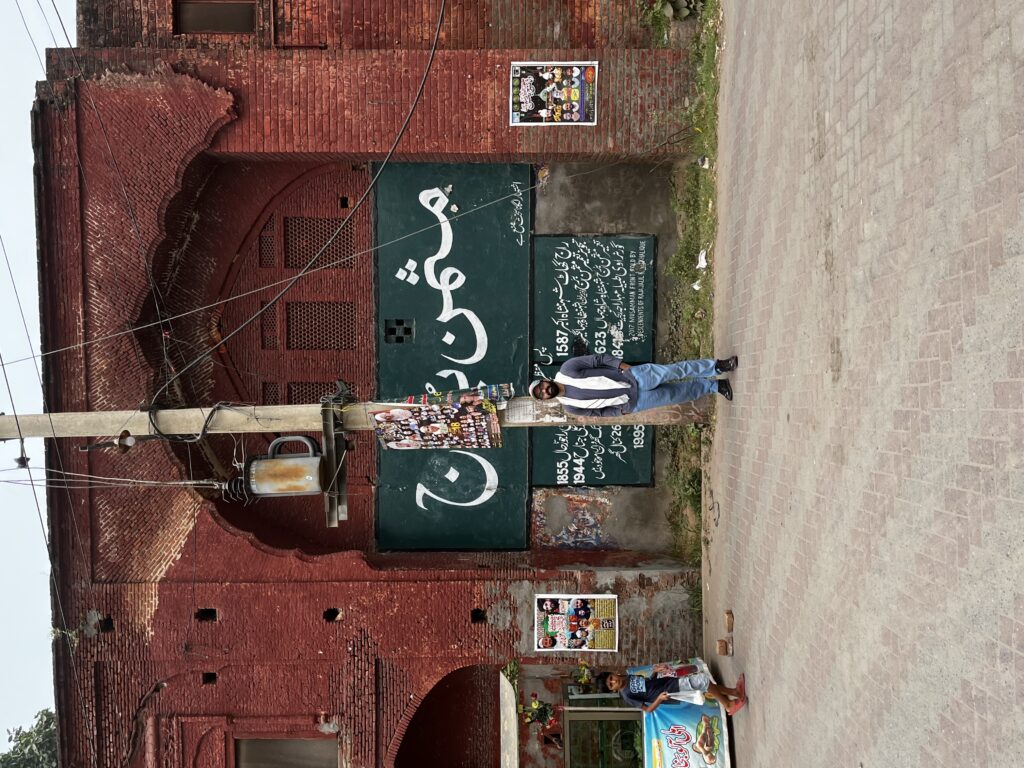
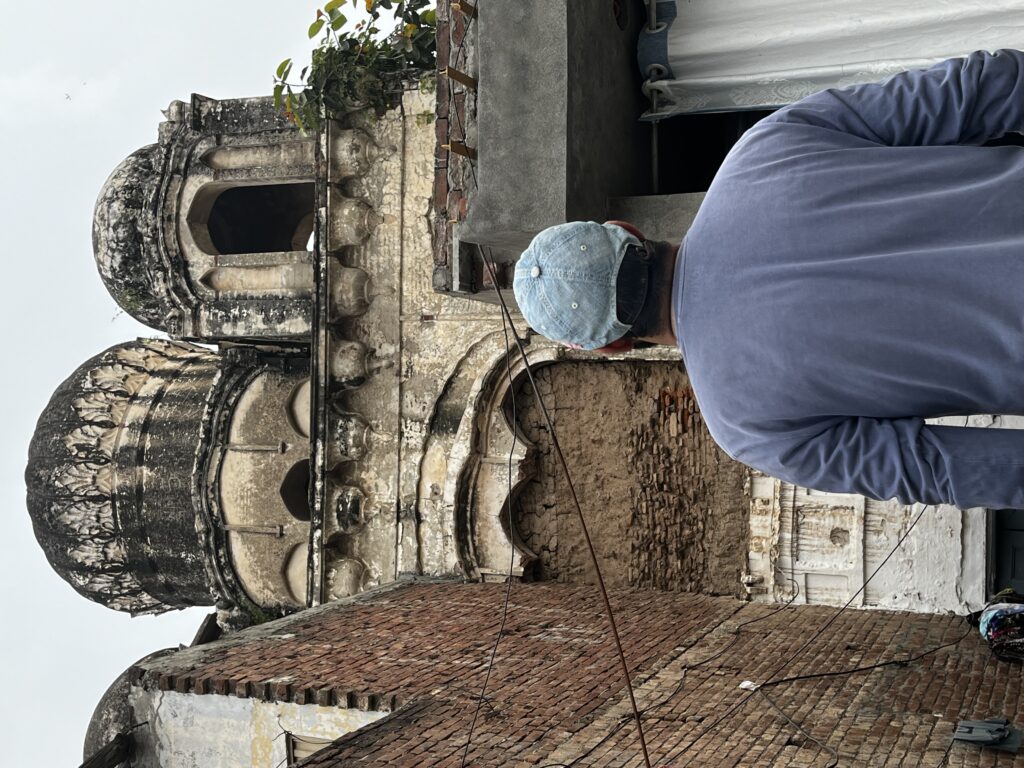
The Guru Da Kotha Gurdwara stands out for its unique design, and nearby structures like the Musamman Gate and Dak Choki speak of British control and movement along GT Road.
Those interested in gurdwaras may also enjoy our feature on religious heritage in Punjab.
Gujrat: The Palace of Ram Pyari
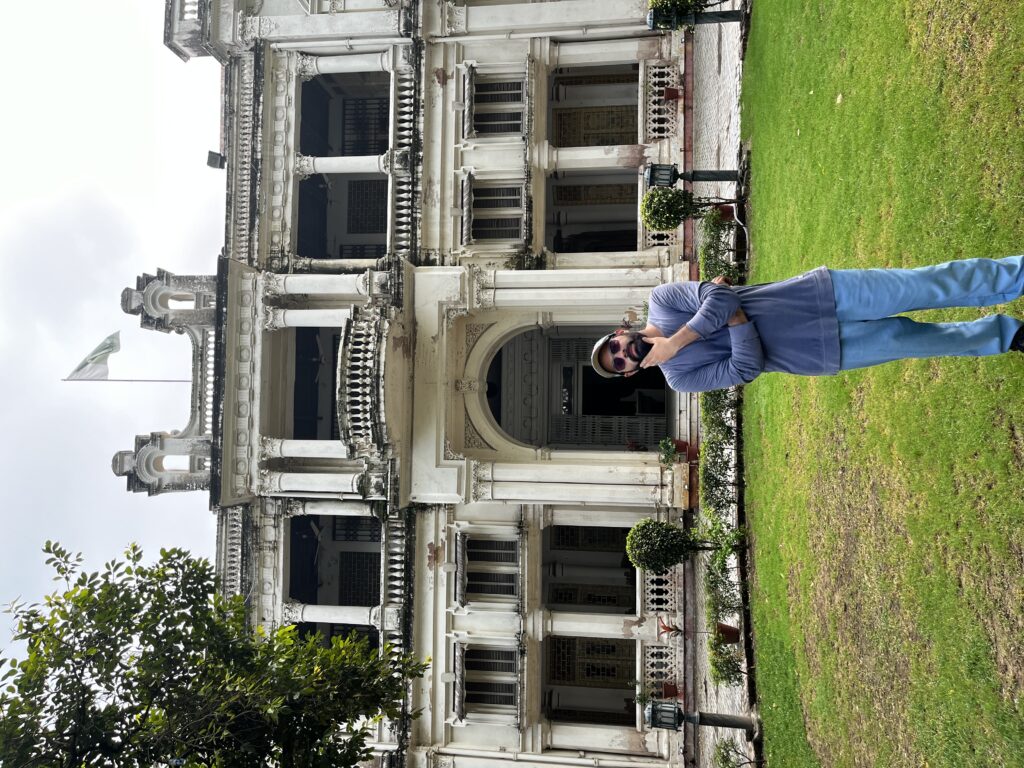
Eighteen kilometers further is Gujrat, home to the romantic Ram Pyari Mahal, sometimes called the “Pakistani Taj Mahal.” Built in 1918 by Sundar Das Chopra for his beloved wife, its Corinthian columns, Indian tiles, and French glass reflect a fusion of styles.
After Partition, it became a girls’ hostel, later transforming into the Gujrat Museum. Today, it preserves local art, coins, portraits, and folk sculptures under the care of the Archaeology Department.
For more stories of architecture repurposed after Partition, visit our article on old Lahore neighborhoods history.
Kharian: The Hidden Baoli
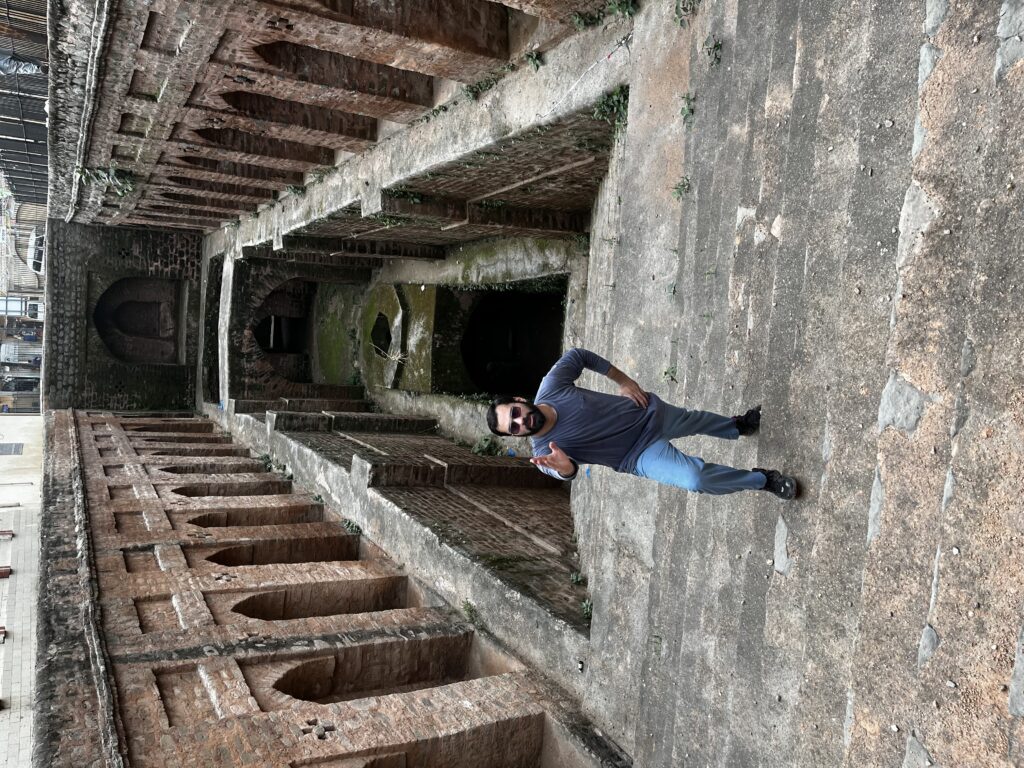
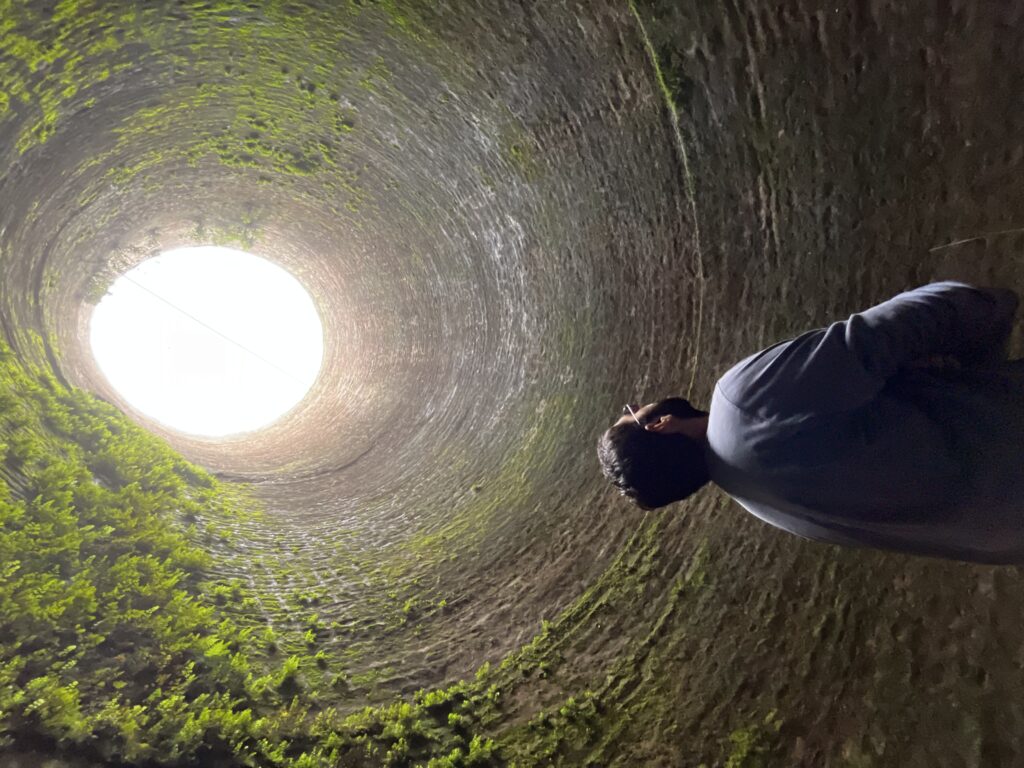
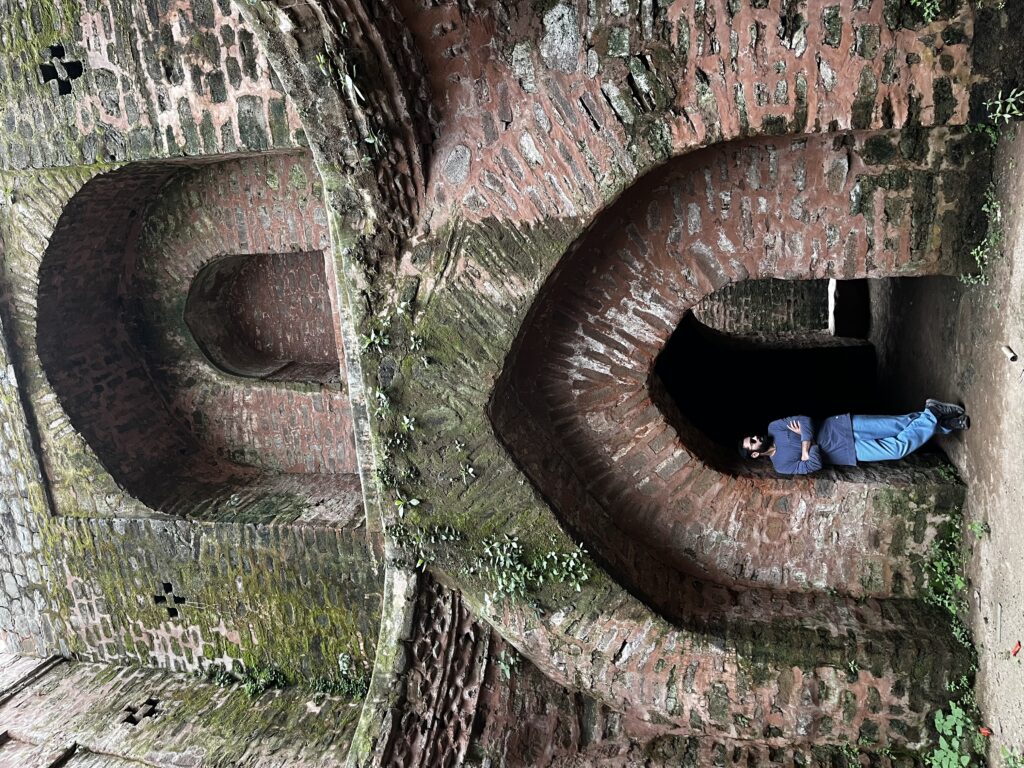
Thirty-six kilometers ahead lies Kharian, where one of Punjab’s most magnificent stepwells hides in plain sight. Known as a baoli, it was designed for travelers and soldiers to find water and rest. Its multi-level structure of stone and brick echoes the design of Delhi’s famous Agrasen Ki Baoli.
Cleared and restored by the Archaeology Department, the Kharian baoli now stands proud once again, offering visitors a glimpse into Mughal engineering and hospitality.
Jhelum: Between River and Faith
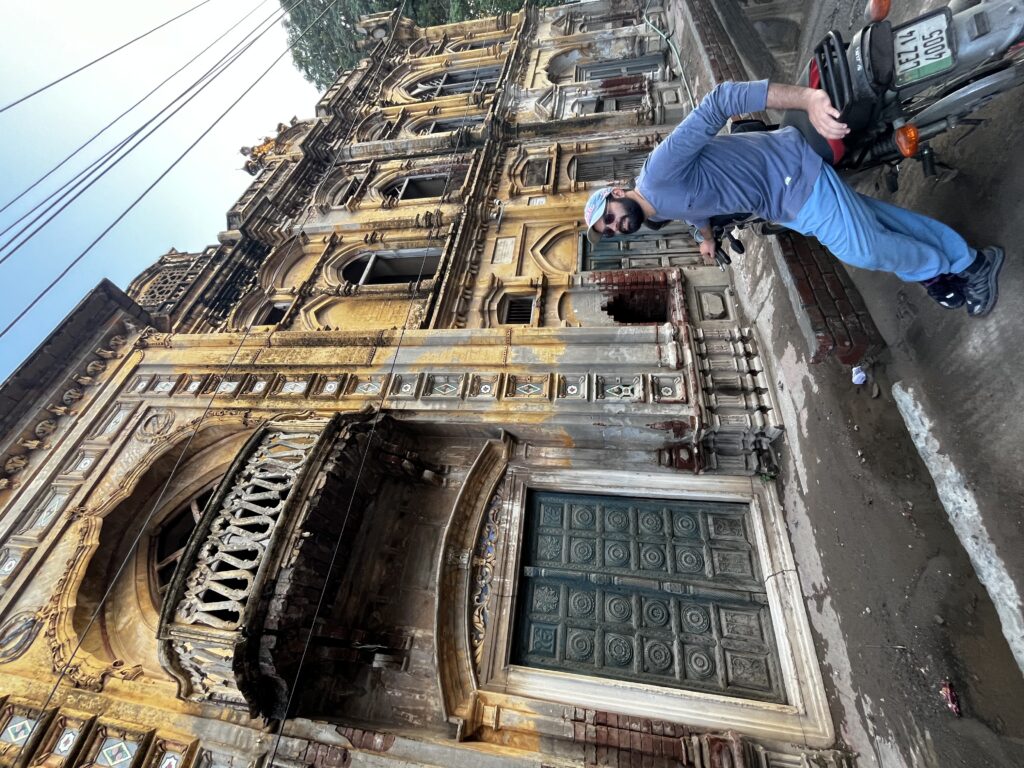
Jhelum, often remembered for its salt mines, also holds remarkable heritage. The Jhelum Bridge, built in 1878 by Irish engineer William John Galwey, still carries shield-shaped plaques testifying to its history.
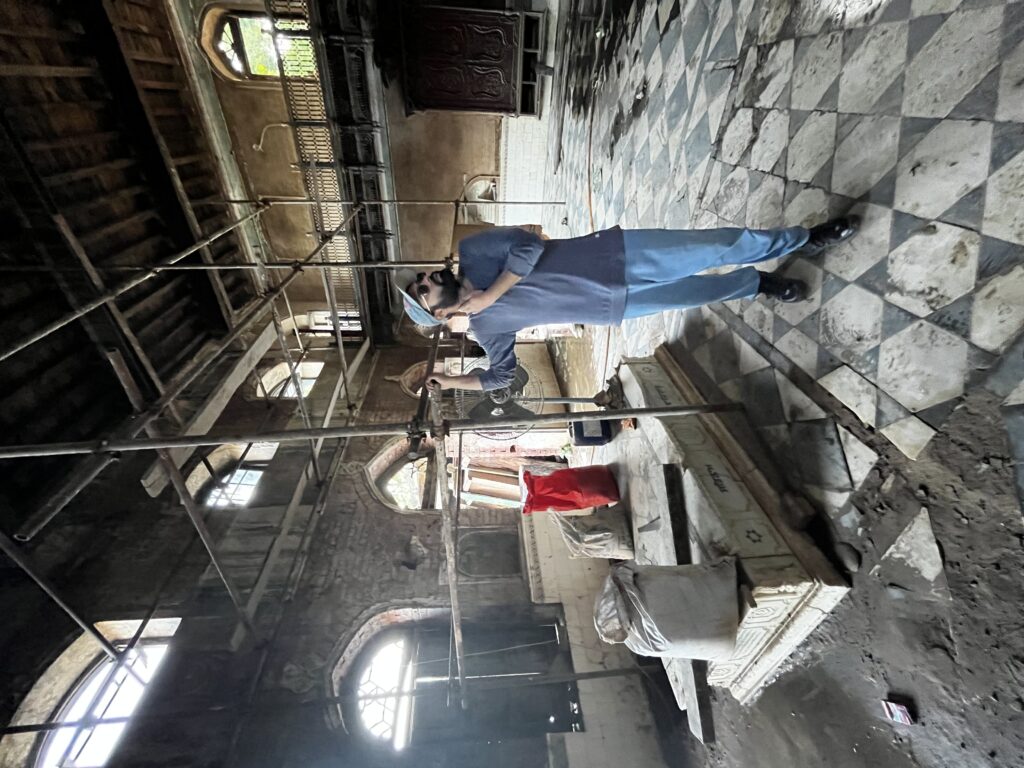
Nearby stands the Gurdwara Bhai Karam Singh, a three-story wonder of marble, wood, and stone. Despite years of floods, it has been restored and soon will welcome pilgrims once more. A local Hindu temple further enriches the city’s cultural landscape.
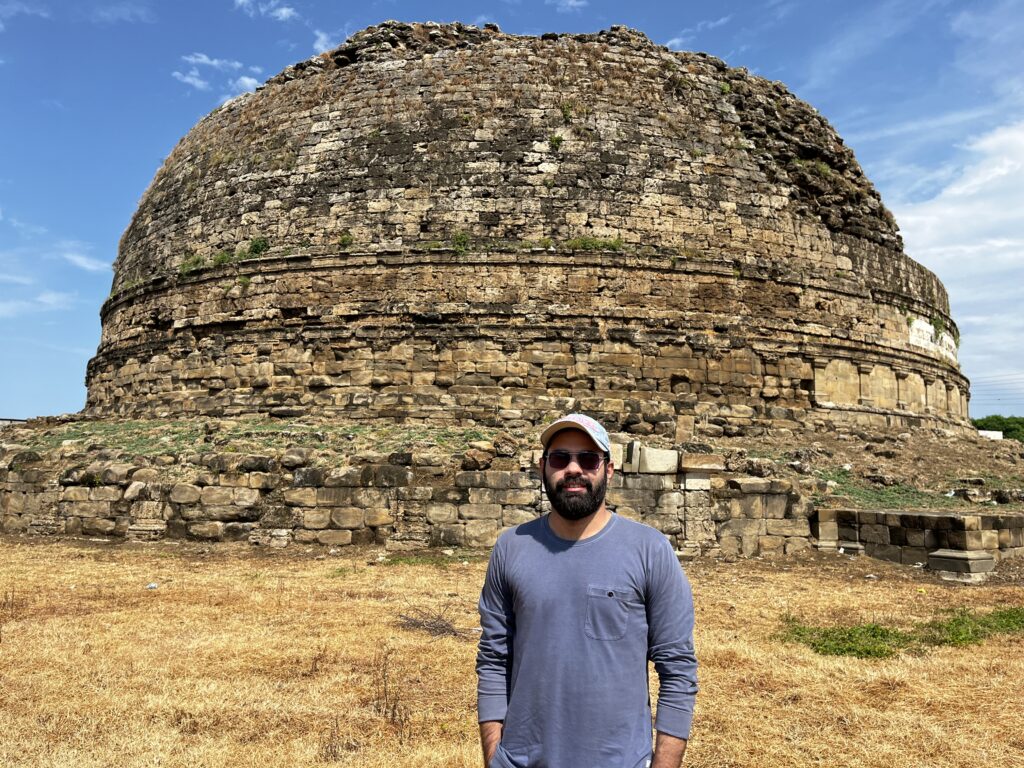
Mankiala: The Great Stupa of Gandhara
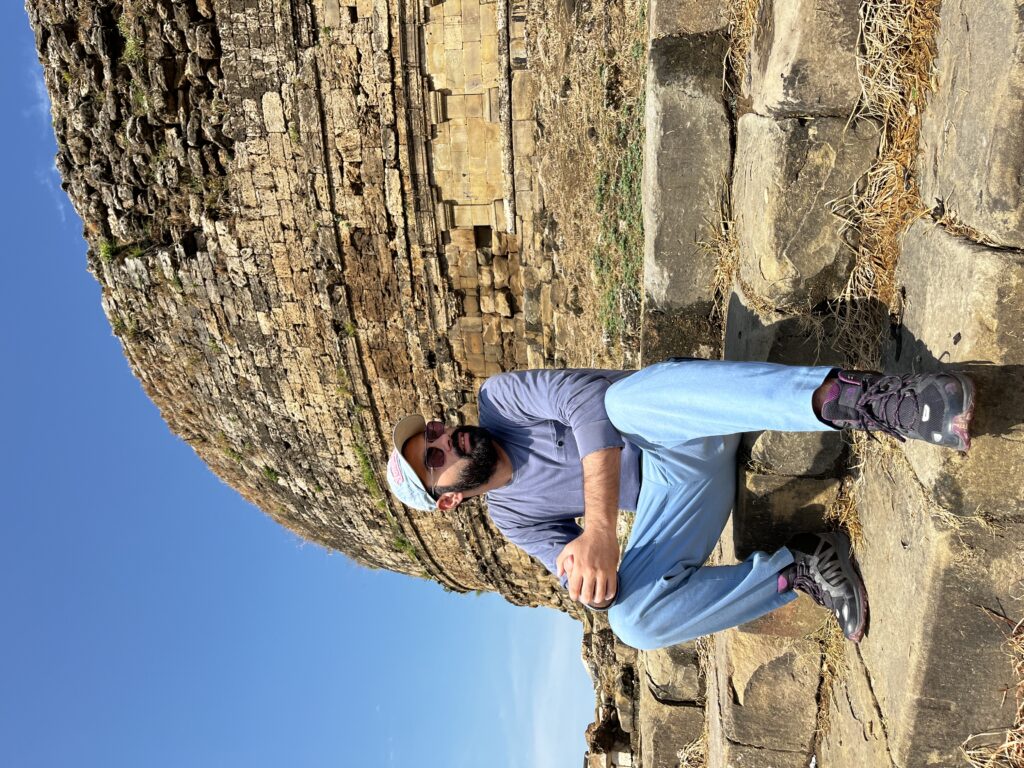
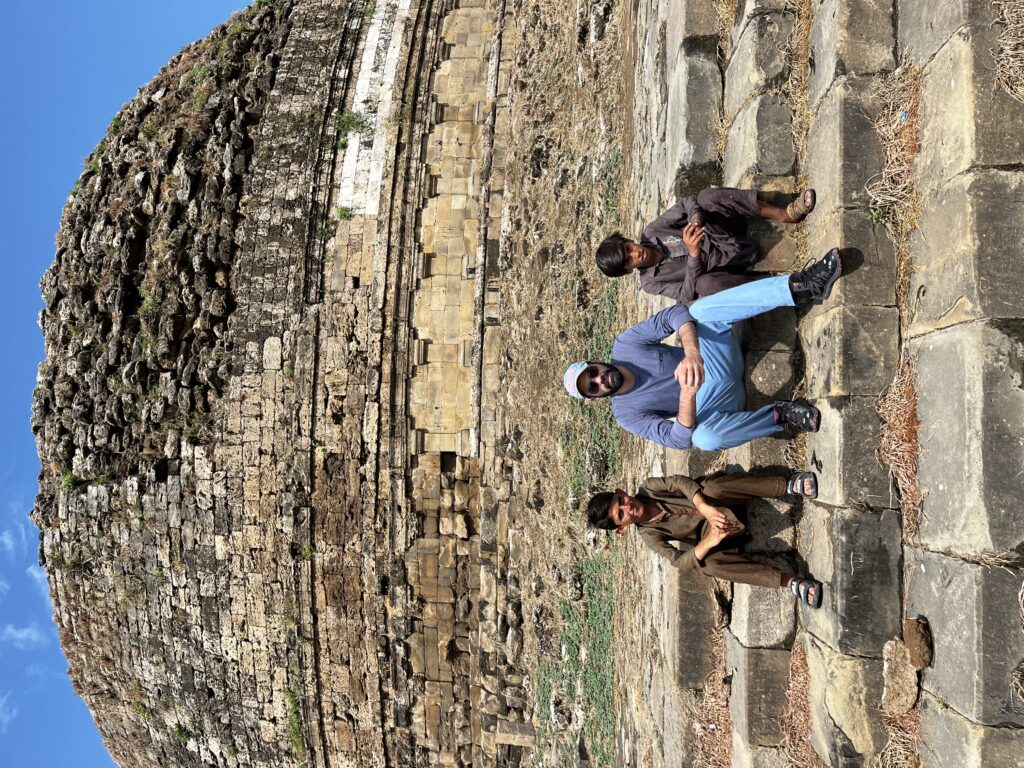
In Mankiala village rises the largest Gandhara stupa in Punjab. Believed to date back to King Kanishka in the 2nd century AD or possibly Ashoka’s Buddhist legacy, it once housed relics later discovered by General Ventura. Though only its dome remains today, the Mankiala Stupa is a testament to the Buddhist past of this region.
For those passionate about ancient Buddhist sites, our guide on Gandhara heritage in Pakistan offers a wider journey.
Rawat: The Caravan Serai of Centuries
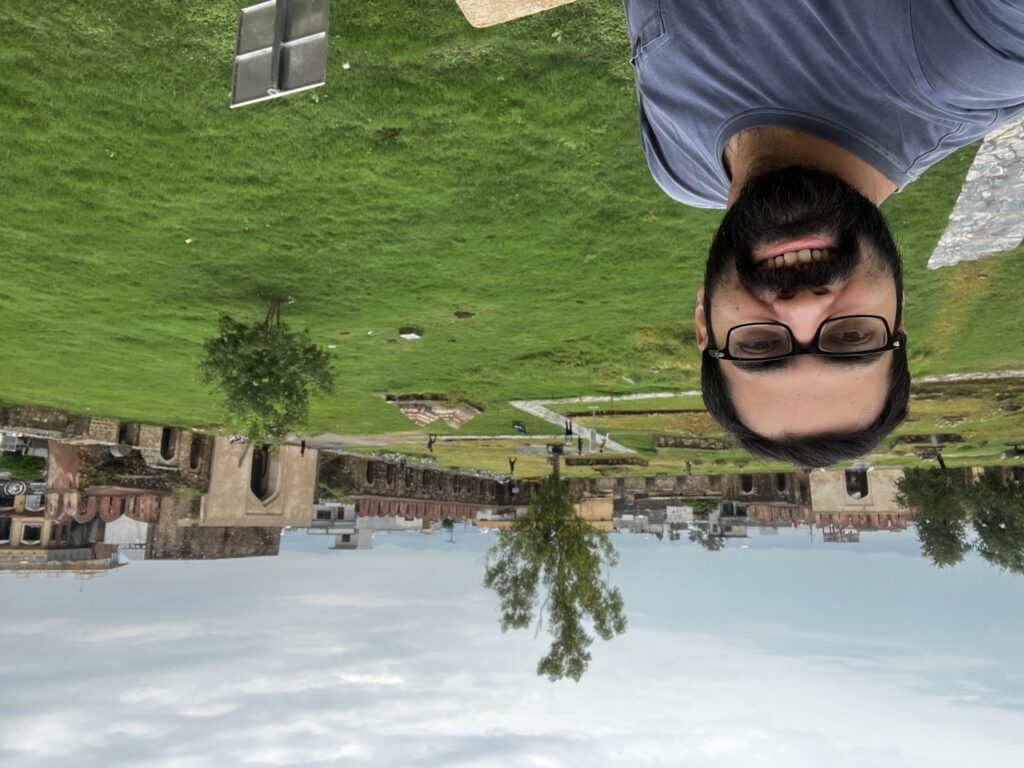
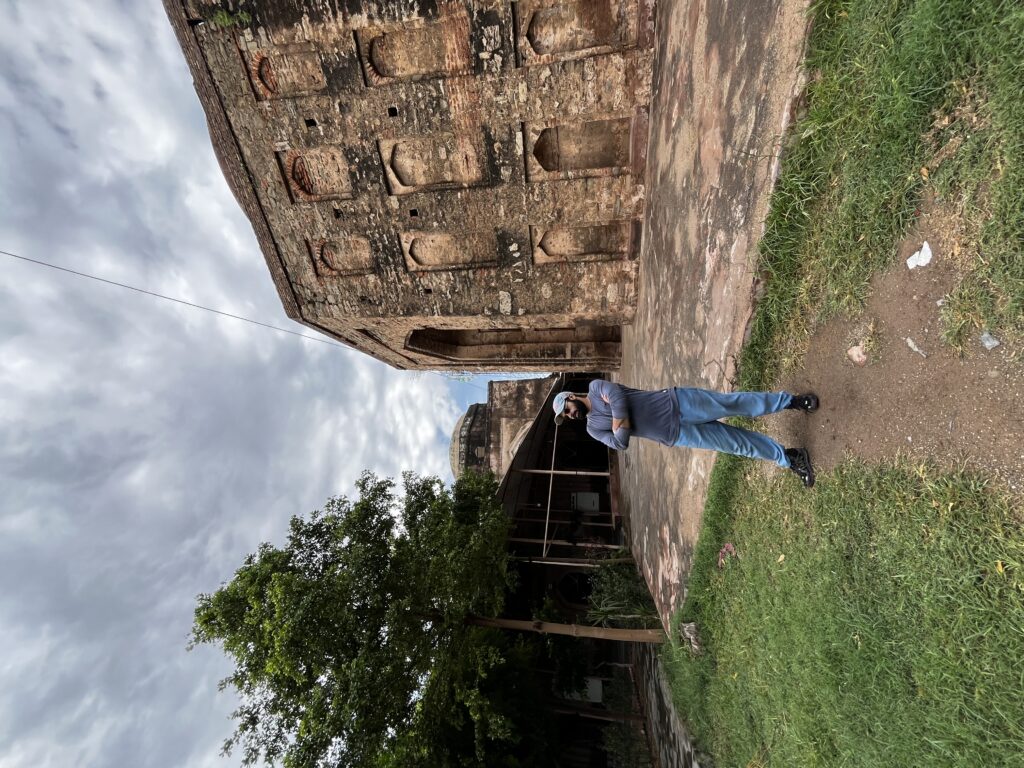
Our last stop was Rawat, where a 15th-century caravan serai once sheltered traders and travelers along GT Road. Shaped like a fort, with bastions and a three-domed mosque, it recalls the hustle of ancient journeys. Inside lies the tomb of Gakkhar Sardar Sultan Sarang Khan, surrounded by countless unmarked graves.
Conclusion
From Gujranwala’s palaces and temples to the stupa of Mankiala and the caravan serai of Rawat, this journey along GT Road revealed how heritage sites in Punjab Pakistan still echo with stories of love, power, faith, and resilience.
The Caravan GT Road Sessions may have ended in Islamabad, but the road itself continues, carrying the whispers of history. Each city invites you to pause, listen, and rediscover the timeless soul of Punjab.
Also read this;
- Hindu Heritage (1)
- Muslim Heritage (5)
- Sikh Heritage (1)
I invite you to book a customized tour with me, Saad Zahid, and explore Lahore’s old neighborhoods, Partition stories, and ancestral homes. Follow my platform Vlogumentary across all social channels, where I continue to share tours, media, and workshops.